
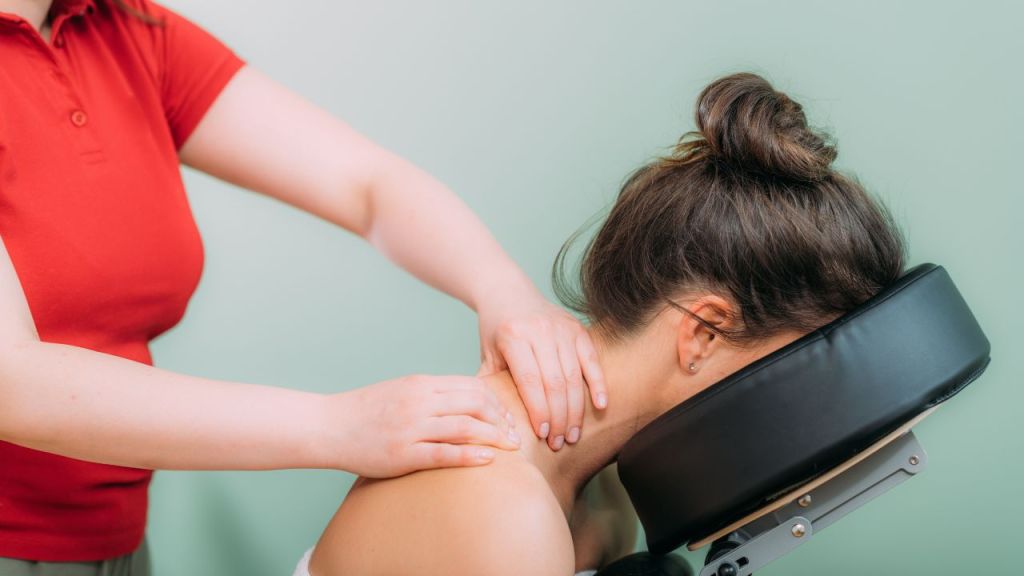
Massage chairs are popular for comfort, but professional massage in winter garden delivers deeper therapeutic benefits — and many buyers wonder whether either can be paid for with Flexible Spending Account (FSA) dollars. This guide from our spa in winter garden walks you through when a massage chair may qualify as a reimbursable medical expense, what medical documentation is required, the health benefits to expect, and how to handle reimbursement and tax questions. By the end, you’ll know the steps to take if you want to pursue FSA coverage and how to make the most of your benefits.
What Is a Flexible Spending Account and How Does It Relate to Massage Chairs?
A Flexible Spending Account (FSA) is a tax-advantaged account that lets you set aside pre-tax income for eligible medical costs. FSAs commonly cover copays, prescriptions, and approved medical devices. If you’re considering a massage chair for therapeutic reasons, understanding how FSAs define eligible expenses will help you determine whether your purchase can be reimbursed.
Understanding FSA Basics and Eligible Medical Expenses
FSAs are intended to reduce out-of-pocket healthcare spending. Generally, eligible items are those necessary for diagnosing, treating, or preventing a medical condition. Massage chairs are not automatically eligible — they typically qualify only when prescribed by a healthcare provider as medically necessary for a diagnosed condition. A clear letter of medical necessity and supporting documentation are usually required to back up a reimbursement claim.
Differences Between FSA and HSA for Massage Chair Purchases
FSAs and Health Savings Accounts (HSAs) both offer tax advantages, but they work differently. FSAs are often employer-managed and may follow a “use it or lose it” schedule within the plan year, while HSAs are individually owned and let unused funds roll over. Both accounts generally require proof of medical necessity for a massage chair, though HSAs are typically more flexible about what expenses they accept.

What Are the Medical Criteria for Massage Chair FSA Eligibility?
To qualify a massage chair as an FSA-eligible expense, it must meet medical criteria set by the IRS and your plan administrator. In practice, that means the chair must be used to treat a diagnosed medical condition and be prescribed by a licensed healthcare provider.
IRS Guidelines and Certification Requirements for Massage Chairs
Under IRS guidance, a massage chair can qualify as a medical device if its primary purpose is to alleviate a specific medical condition — for example, chronic back pain or severe muscle spasm — and a clinician prescribes it. You’ll need a letter of medical necessity that explains the diagnosis, why the chair is required, and how it will aid treatment.
How to Determine if a Massage Chair Qualifies as a Medical Device
Key factors include the chair’s intended medical use, any regulatory clearances (such as FDA-related statuses where relevant), and clinical evidence supporting its therapeutic effect. A treating provider’s recommendation strengthens the case for FSA eligibility and helps justify the purchase to your plan administrator.
Can You Use FSA Funds to Purchase Massage Chairs and Related Equipment?
In most cases, massage chairs are not automatically eligible for FSA reimbursement. They may be eligible only if prescribed for a specific medical condition and supported by the appropriate documentation. Final approval rests with your FSA administrator.
List of FSA Approved Massage Equipment and Brands
There is no official IRS or FSA roster of approved brands. That said, some manufacturers make therapeutic models that clinicians commonly recommend:
- Human Touch: Offers therapeutic chairs designed to address common musculoskeletal complaints.
- Osaki: Produces a wide range of models focused on pain relief and targeted massage programs.
- Inada: Known for high-end chairs with advanced therapeutic features and clinical-style programs.
These brands may be more likely to satisfy a clinician’s recommendation, but eligibility still depends on documented medical necessity and your plan’s rules.
How to Submit Massage Chair Expenses for FSA Reimbursement
To submit a claim, gather the purchase receipt and a detailed letter of medical necessity from your healthcare provider. Fill out your employer’s FSA claim form and attach all supporting documents, then submit them to your plan administrator before any applicable deadlines. Common reasons claims are denied include incomplete documentation or filing after the plan-year cutoff.
What Are the Health Benefits of Massage Chairs Compared to Professional Massage Therapy?
Massage chairs can deliver measurable benefits that overlap with professional massage therapy, but there are trade-offs in personalization and technique. Knowing the differences helps you choose the right option for your needs.
Pain Relief and Relaxation Benefits of Massage Chairs
Massage chairs are engineered to relieve muscle tension, reduce stress, and support circulation. Regular, at-home use can ease soreness, improve short-term mobility, and contribute to better overall comfort. Many users notice meaningful improvements in day-to-day pain and relaxation when using a therapeutic chair consistently.
Comparing Massage Chairs and Therapeutic Massage Services for FSA Use
Massage chairs are convenient and cost-effective for frequent, on-demand relief. Professional massage therapy offers a customized treatment plan and hands-on techniques that a chair can’t fully replicate. For FSA reimbursement, massage therapy sessions are often easier to justify when prescribed, whereas chairs typically require stronger documentation and closer review.

How Does Massage Chair Tax Deduction Work with FSA Eligibility?
Knowing how tax rules interact with FSA spending helps you avoid double-claiming and ensures you make the most of available benefits.
Understanding Massage Chair Tax Deduction Rules and IRS References
If a massage chair qualifies as a medical expense and you pay out of pocket, you may be able to include it when calculating medical expense deductions — but only for unreimbursed expenses that exceed 7.5% of your adjusted gross income (AGI). If you purchase the chair with FSA funds, you cannot also claim that same expense as a deduction on your tax return.
Combining FSA Benefits and Tax Deductions for Massage Chair Purchases
You generally cannot claim a single expense twice. If FSA dollars cover your massage chair, you should not list it again as an unreimbursed medical deduction. For complex situations, get advice from a tax professional to ensure compliance and optimal tax treatment.
Frequently Asked Questions
What documentation is required to purchase a massage chair with FSA funds?
You will typically need a letter of medical necessity from a licensed healthcare provider that states the diagnosis, why a massage chair is medically required, and how it will be used in treatment. Keep your original purchase receipt and any product specifications that describe therapeutic features — these will support your claim.
Are there specific brands of massage chairs that are more likely to be approved for FSA reimbursement?
No official list exists, but clinicians often recommend therapeutic-focused brands such as Human Touch, Osaki, and Inada. Using a chair designed and marketed for medical or therapeutic use can make it easier for your provider to justify the recommendation — but ultimately approval depends on your medical documentation and plan rules.
Can I use my FSA funds for accessories related to massage chairs?
Accessories are eligible only if they’re prescribed as part of a treatment plan and deemed medically necessary. Routine replacements or comfort add-ons are less likely to qualify. Check with your FSA administrator before buying to confirm eligibility.
What should I do if my FSA claim for a massage chair is denied?
Review the denial to understand the reason — common issues include missing or vague documentation. You can often appeal by submitting additional information, such as a more detailed letter from your provider. Contact your FSA administrator for the appeal procedure and any specific documentation they require.
How can I maximize my FSA benefits when purchasing a massage chair?
Plan ahead: confirm your plan’s covered expenses, obtain a clear letter of medical necessity, and gather all receipts and product details. Time purchases to match your plan year and speak with your FSA administrator about any pre-approval steps that may simplify reimbursement.
Are there any tax implications when using FSA funds for a massage chair?
Yes. If the chair is paid for with FSA funds, you cannot also claim it as an unreimbursed medical deduction. The IRS only allows deductions for unreimbursed expenses above 7.5% of AGI, and FSA reimbursement removes the unreimbursed portion from your tax filings. Consult a tax advisor for personalized guidance.
Can Massage Chairs Be Purchased with FSA Funds?
Massage chairs may be purchased with FSA funds only when they meet medical necessity standards, are prescribed by a healthcare provider, and are accepted by your plan administrator. Proper documentation and plan approval are essential.
Are Massage Therapy Sessions Covered by FSA?
Yes — massage therapy sessions can be covered if a healthcare provider determines they are medically necessary and provides supporting documentation. Always verify specific coverage rules with your FSA administrator.
Conclusion
Massage chairs can be a valuable therapeutic tool, but FSA coverage depends on medical necessity, clear documentation, and your plan’s rules. Start by discussing your condition with your healthcare provider, request a detailed letter of medical necessity if appropriate, and confirm requirements with your FSA administrator. With the right paperwork and timing, you can make an informed choice that supports both your health and your benefits.