
At-Home Spa Treatment Ideas for Ultimate Relaxation: DIY Self-Care Routines and Natural Remedies
Create a spa-like experience at home to unwind and recharge. These at-home spa treatment ideas cover DIY facials, self-massage techniques, and natural remedies that help you relax and feel better. If your schedule is hectic, simple routines like these make it easy to carve out calming moments. Read on for practical facial treatments, massage tips, and ways to set a soothing atmosphere so you can relax more often.
Key Takeaways
- At-home spa treatments can enhance relaxation and improve overall well-being.
- DIY facial treatments use natural ingredients for radiant and hydrated skin.
- Self-massage techniques can relieve muscle tension and promote relaxation.
- Incorporating essential oils and tools can enhance self-massage benefits.
- Aromatherapy and herbal treatments create a calming spa-like atmosphere at home.
- Red light therapy can improve skin health and reduce inflammation.
- Combining at-home treatments with professional spa services maximizes wellness benefits.
- Creating a calming environment with lighting, music, and scents enhances relaxation.
What Are the Best Home Facial Treatments for Radiant Skin?
Home facial treatments can boost your skin’s appearance and natural glow. They use common ingredients that hydrate and nourish, so you can get noticeable results without costly spa visits. Regular DIY care can improve texture, increase moisture, and brighten your complexion.
Natural solutions for skin health are growing in popularity, with many people choosing everyday ingredients for effective, budget-friendly care.
Natural Remedies for Healthy, Glowing Skin
While conventional treatments exist, more people are choosing natural approaches to manage skin concerns. This piece covers practical tips for recurring skin issues, looking at diet, lifestyle adjustments, topical care, and herbal remedies that support healthy, glowing skin.
INFORMATION PAGES
How to Create Effective DIY Facial Masks with Natural Ingredients

DIY facial masks are simple to make and give your skin a quick boost. Try these straightforward recipes below.
- Honey and Oatmeal Mask: Mix equal parts honey and ground oatmeal. Apply to your face for 15-20 minutes before rinsing. This mask hydrates and soothes the skin.
- Avocado and Yogurt Mask: Mash half an avocado and mix it with two tablespoons of yogurt. Leave it on for 10-15 minutes to nourish and moisturize your skin.
- Banana and Coconut Oil Mask: Mash one ripe banana and mix it with a tablespoon of coconut oil. This mask helps to hydrate and soften the skin.
Adjust each mask to suit your skin type so you get the best results from your at-home spa session.
Step-by-Step Guide to At-Home Facial Cleansing and Exfoliation
Keeping a regular cleansing and exfoliation routine helps your skin stay healthy and responsive to treatments. Follow the steps below for a basic at-home facial.
- Cleansing: Start with a gentle cleanser suitable for your skin type. Massage it into your skin for about a minute, then rinse with warm water.
- Exfoliation: Use a natural exfoliant, such as sugar or coffee grounds mixed with olive oil. Gently scrub your face in circular motions for about 2-3 minutes, then rinse thoroughly.
- Toning: Apply a natural toner, like rose water, to balance your skin’s pH and prepare it for moisturizing.
- Moisturizing: Finish with a hydrating moisturizer to lock in moisture and keep your skin supple.
This simple routine cleanses, exfoliates, and primes your skin for any additional treatments you choose to use.
Which DIY Massage Techniques Promote Relaxation and Pain Relief?
Self-massage can reduce muscle tension and ease stress. These techniques are easy to do at home and target common tension spots. Adding them to your routine supports relaxation and physical comfort.
Self-massage is widely used across physiotherapy and sports for its practical benefits in pain relief and mobility management.
DIY Self-Massage Techniques for Pain & Mobility
Self-massage (SM) is a set of techniques performed by the individual and is commonly used in physiotherapy (for pain and mobility) and sports (for warm-up and recovery). The acute effects include changes in pressure pain threshold, muscle activity, and force production, as reviewed in recent systematic studies.
Simple Self-Massage Methods to Relieve Muscle Tension at Home
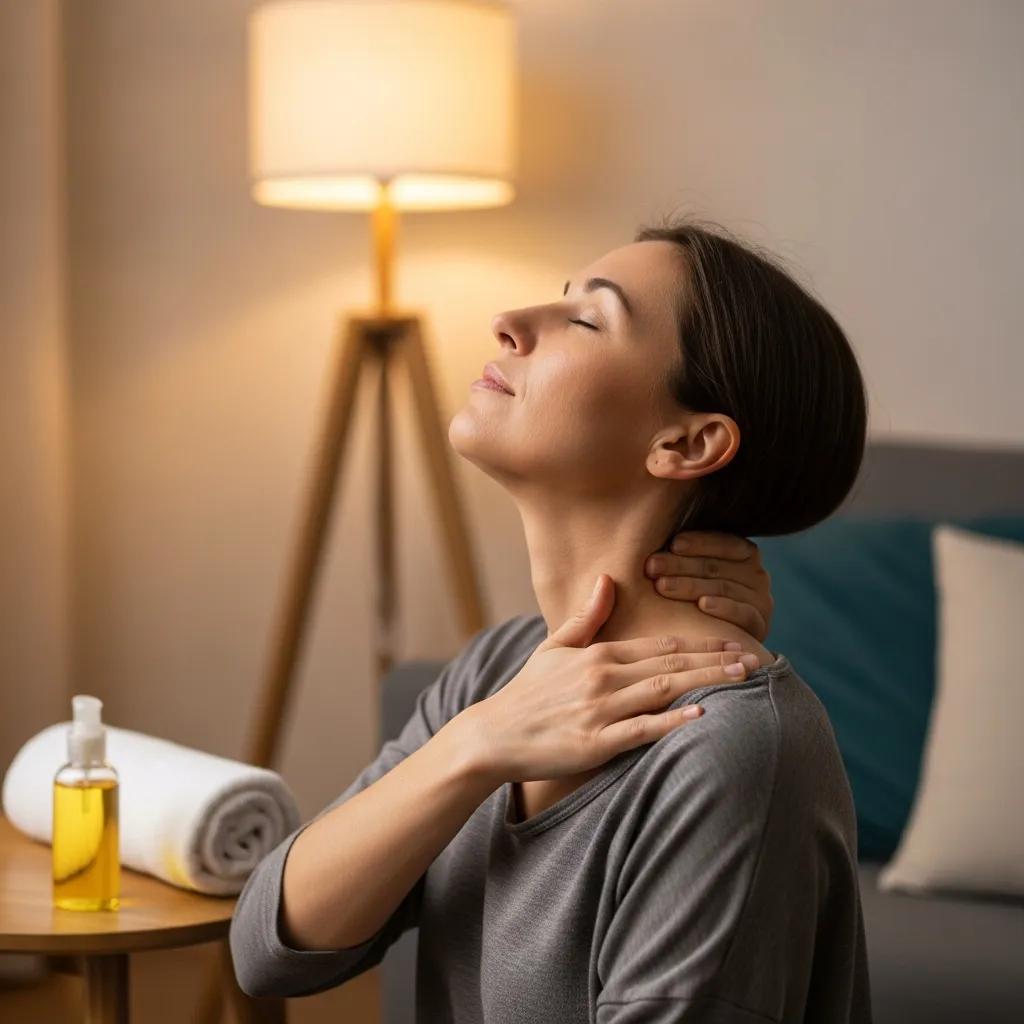
Try these easy self-massage moves to ease tension:
- Neck and Shoulder Massage: Use your fingers to knead the muscles at the base of your skull and along your shoulders. Apply gentle pressure and hold for 10-15 seconds.
- Hand Massage: Squeeze and knead each finger and the palm of your hand. This technique can relieve tension, especially if you spend long hours typing.
- Foot Massage: Roll a tennis ball under your foot to relieve tension in the arches. This method is particularly effective after a long day of standing or walking.
Use these techniques whenever you feel tightness; they fit easily into short breaks during your day.
Using Massage Oils and Tools for Enhanced Home Massage Experiences
Add oils and simple tools to make self-massage more effective. Here are a few practical options to try.
- Essential Oils: Lavender and eucalyptus oils are excellent for relaxation. Mix a few drops with a carrier oil, such as coconut or almond oil, before massaging.
- Massage Tools: Consider using a foam roller or massage ball to target specific muscle groups. These tools can help release knots and improve circulation.
- Warm Compress: Applying a warm compress to tense areas before massaging can enhance relaxation and make the massage more effective.
These oils and tools reduce friction, help release knots, and make self-massage feel more soothing and effective.
What Natural Spa Remedies Can Enhance Your At-Home Wellness Routine?
Natural remedies add holistic benefits for both body and mind. They use accessible ingredients that are easy to include in daily self-care and can boost relaxation and wellbeing.
Incorporating Aromatherapy and Herbal Treatments for Relaxation
Aromatherapy offers a simple way to calm your space. Try these methods to add scent-based relaxation to your routine.
- Essential Oil Diffusers: Use a diffuser to disperse calming scents like lavender or chamomile throughout your space.
- Herbal Teas: Drinking herbal teas, such as chamomile or peppermint, can promote relaxation and aid digestion.
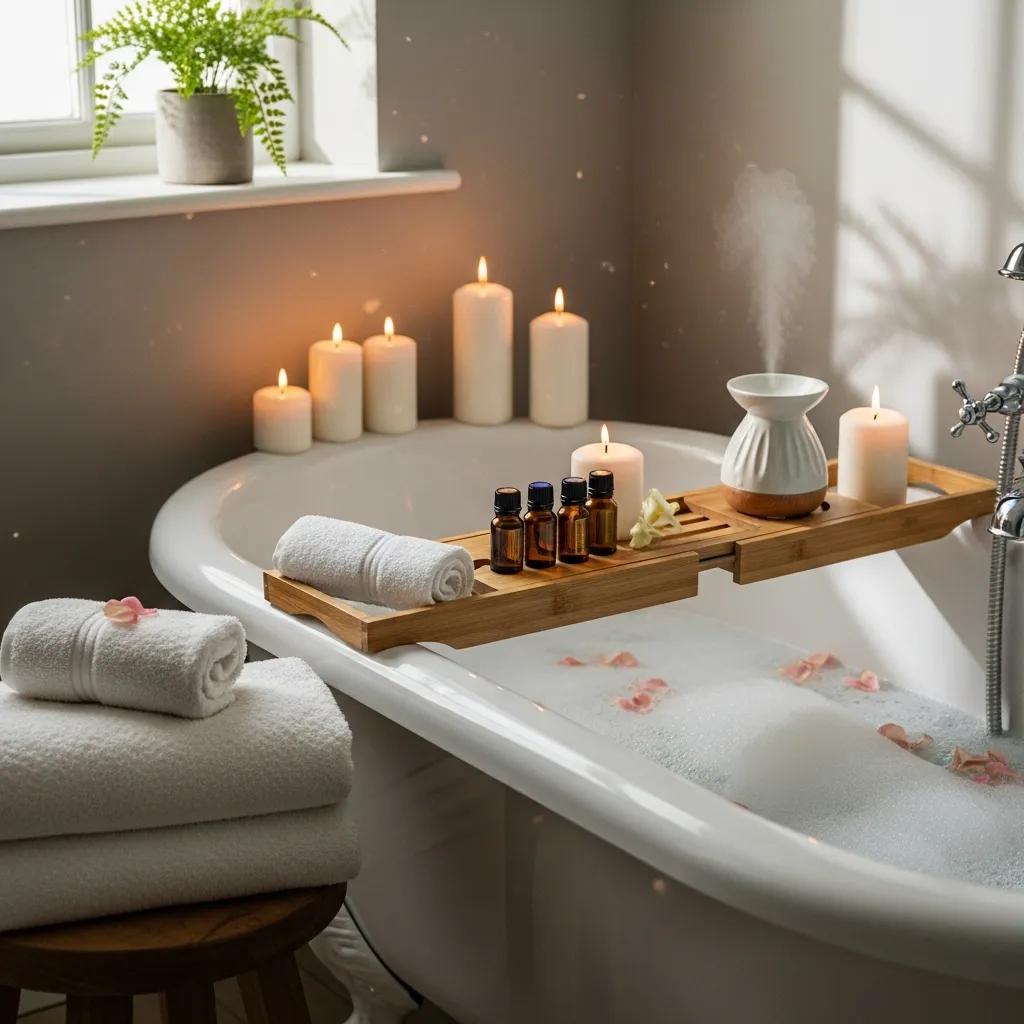
- Bath Soaks: Add a few drops of essential oils to your bath for a soothing experience. Epsom salts can also enhance relaxation by easing muscle tension.
These small steps help turn your home into a relaxing, spa-like retreat.
Therapeutic baths have long been valued for their ability to soothe the mind and refresh the body, across many cultures and eras.
Therapeutic Baths for At-Home Relaxation & Well-being
From ancient times to modern self-care, therapeutic baths are prized for soothing the mind and restoring the body. Imagine sinking into a warm, fragrant bath after a long day and feeling muscle tension ease as stress drifts away into the steam.
Therapeutic Baths: Soothing Remedies for Mind and Body
Benefits of Red Light Therapy and How to Use It Safely at Home
Red light therapy may support skin health and help reduce inflammation. Follow these safety steps when using a home device.
- Device Selection: Choose a reputable red light therapy device designed for home use. Ensure it emits the correct wavelengths for effective treatment.
- Treatment Duration: Start with short sessions of 5-10 minutes, gradually increasing as your skin adjusts.
- Safety Precautions: Always follow the manufacturer’s guidelines and avoid direct eye exposure to the light.
When used correctly, red light therapy can complement your at-home routine by supporting skin rejuvenation and reducing inflammation.
How Can You Combine At-Home Treatments with Professional Spa Services?
Pairing at-home care with professional spa services gives you deeper relaxation and more targeted results. Professionals can address specific concerns while home routines keep your skin and body maintained between visits.
For example, book a professional facial after a month of consistent at-home treatments to boost results and help maintain your skin’s health and appearance.
Booking and Using Gift Cards and Loyalty Programs at J Sterling's Wellness Spa
J Sterling’s Wellness Spa offers gift cards and loyalty programs to make treatments more accessible. These options cover services like massages and facials and can add value to your visits.
- Gift Cards: Perfect for treating yourself or a loved one, gift cards can be used for any service offered at the spa.
- Loyalty Programs: Joining the loyalty program can provide you with exclusive discounts and rewards for regular visits, making your self-care routine even more affordable.
Use these perks to make spa visits more affordable and to enhance your overall experience.
What Are Effective Relaxation Tips to Create a Spa-Like Atmosphere at Home?
Focus on sensory details—lighting, sound, and scent—to craft a calm, spa-like space where you can truly relax.
Setting Up a Calming Environment with Lighting, Music, and Scents
To create a soothing atmosphere, consider the following tips:
- Lighting: Use soft, dim lighting or candles to create a warm ambiance. Avoid harsh overhead lights that can disrupt relaxation.
- Music: Play calming music or nature sounds to enhance the tranquil environment. Look for playlists specifically designed for relaxation.
- Scents: Incorporate calming scents through essential oils, candles, or incense. Scents like lavender, sandalwood, and jasmine can promote relaxation.
Together, these elements create a peaceful space that supports relaxation and self-care.
Incorporating Mindfulness and Breathing Techniques into Self-Care
Mindfulness and breathing exercises deepen relaxation and help you stay present. Try the simple practices below.
- Deep Breathing: Take a few moments to focus on your breath. Inhale deeply through your nose, hold for a few seconds, and exhale slowly through your mouth.
- Meditation: Spend a few minutes in meditation, focusing on your breath or a calming mantra. This practice can help clear your mind and reduce stress.
- Gratitude Journaling: Take time to reflect on what you are grateful for. Writing down your thoughts can promote a positive mindset and enhance your overall well-being.
Add these techniques to your routine to deepen relaxation and stay connected to the present moment.
To extend your relaxation, explore the spa experience at J Sterling’s Wellness Spa.
Frequently Asked Questions
What are the benefits of using essential oils in at-home spa treatments?
Essential oils can boost relaxation, ease stress, and support emotional balance through aromatherapy. Lavender and chamomile calm, while eucalyptus can clear the mind. Diluted in carrier oils, they also add hydration and nourishment to skin. Used thoughtfully, they make at-home spa sessions feel more immersive and therapeutic.
How often should I perform at-home spa treatments for optimal results?
A weekly at-home spa session is a good baseline for visible benefits without overdoing it. Adjust frequency to your needs—weekend rituals, extra facials before events, or daily short practices for stress relief. Pay attention to how your skin and body respond and adapt accordingly.
Can I use kitchen ingredients for my DIY spa treatments?
Yes—many kitchen staples work well for DIY treatments. Honey moisturizes, yogurt contains lactic acid for gentle exfoliation, and oatmeal soothes irritated skin. These options are often cheaper and easier to find than commercial products. Always patch-test new ingredients to avoid allergic reactions.
What precautions should I take when using red light therapy at home?
Choose a reputable, home-safe device and check that it emits the recommended wavelengths. Start with short sessions (5-10 minutes) and increase gradually. Avoid looking directly at the light and follow the manufacturer’s instructions. If you have skin concerns, consult a healthcare professional first.
How can I enhance the effectiveness of my self-massage techniques?
Use massage oils or creams to reduce friction and improve glide. Add essential oils for calming or invigorating effects, and use tools like foam rollers or massage balls to reach tight spots. Create a calm setting with soft lighting and soothing music so you can relax and focus on the massage.
What are some easy ways to create a spa-like atmosphere at home?
Simple changes make a big difference: dim the lights or use candles, play calming music or nature sounds, and add soothing scents with essential oils or candles. Declutter and add soft textiles like towels and cushions to increase comfort. These steps help your space feel more luxurious and restful.
Conclusion
At-home spa treatments make relaxation and self-care more accessible. With natural ingredients and straightforward techniques, you can create rejuvenating routines that support both physical and mental wellbeing. Try a few DIY treatments and simple rituals to elevate your self-care and enjoy the calming benefits at home.