
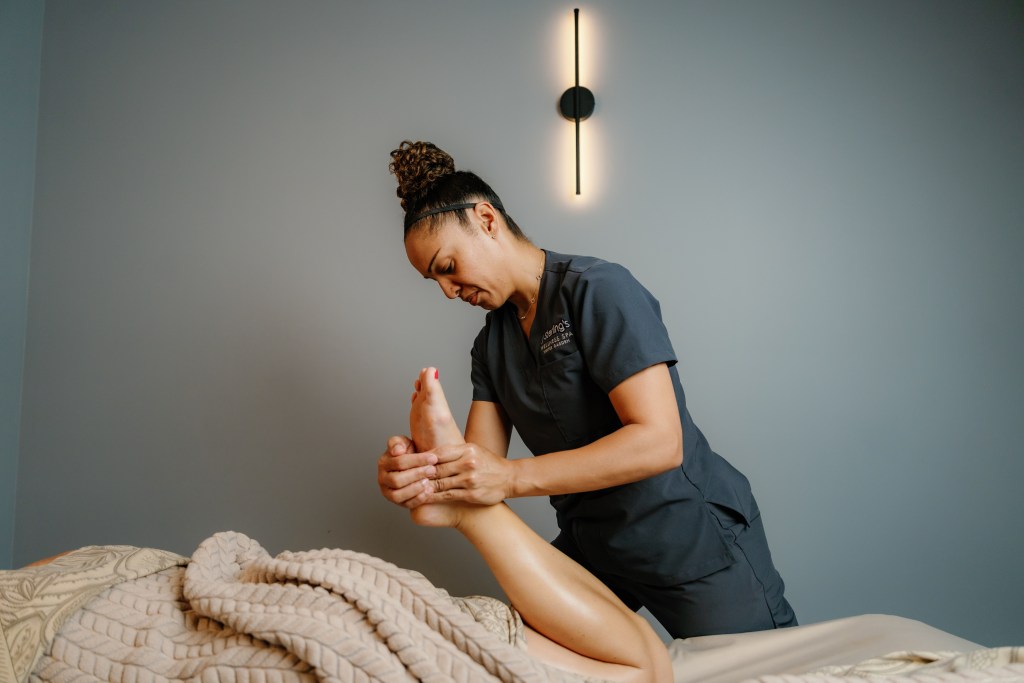
Plantar fasciitis is a common source of heel pain — our spa in winter garden offers targeted relief. Many people look beyond pills and braces to hands-on massage in winter garden care — and massage is one of the most popular options. This article walks through what plantar fasciitis feels like, how massage can help, the techniques most likely to bring relief, and other therapies that pair well with bodywork. We’ll also explain how to book a focused foot massage at J Sterling’s Wellness Spa and what to expect when you arrive.
What Is Plantar Fasciitis and What Causes Foot Pain?
Plantar fasciitis is inflammation of the plantar fascia, the strong band of tissue that runs along the bottom of your foot from heel to toes. It most often shows up as sharp heel pain with your first steps in the morning or after sitting for a long time. Overuse, worn-out or unsupportive shoes, and repetitive activities like running can trigger it. Bodyweight, tight calf muscles, and inadequate arch support also increase the risk.
What Are the Common Symptoms of Plantar Fasciitis?
Look out for these typical signs:
- Heel Pain : Sharp, stabbing pain at the heel — usually worst with the first steps of the day or after long rest.
- Stiffness : A tight, stiff feeling in the arch or heel that often eases as you move around.
- Pain After Activity : Pain that worsens after exercise, long standing, or high-impact activities.
How Does Plantar Fasciitis Affect Foot Anatomy and Mobility?
The plantar fascia can develop small tears and irritation that reduce its flexibility and strength. That inflammation makes walking and standing uncomfortable and can alter how you move. Over time, compensating for foot pain can strain the ankles, knees, hips, and lower back. Recognizing these changes helps guide treatment choices and prevent further problems.

How Does Massage Therapy Alleviate Plantar Fasciitis Pain?
Massage helps on several levels: it improves local circulation, eases muscle and connective-tissue tension, and breaks up adhesions that can limit mobility. By encouraging blood flow and soft-tissue pliability, massage supports the tissue’s natural repair process and reduces stiffness that feeds into heel pain. It’s most effective when used alongside stretching, strengthening, and proper footwear.
Below we outline specific massage approaches that target the structures involved in plantar fasciitis and why they often bring noticeable relief.
What Are the Benefits of Deep Tissue Massage for Foot Pain Relief?
Deep tissue massage can be particularly helpful for people with persistent heel pain. Key benefits include:
- Pain Relief : Focused pressure reaches deeper muscles and connective tissues to ease tightness and reduce painful trigger points.
- Improved Mobility : Releasing tension in the plantar fascia and surrounding muscles often restores a fuller range of motion in the foot.
- Enhanced Circulation : Increased blood flow brings nutrients and oxygen that support healing.
How Do Sports and Trigger Point Massages Target Plantar Fasciitis Symptoms?
Sports-style massage and trigger point release zero in on specific muscles and knots that can refer pain to the heel. These methods use precise pressure and targeted techniques to reduce localized tension.
Clinical reports and small studies support the use of targeted manual therapies, including trigger point release, as part of a treatment plan for plantar fasciitis.
Massage & Trigger Point Release for Plantar Fasciitis Pain
Plantar fasciitis (PF) is a common degenerative condition of the plantar fascia. Symptoms include tenderness on the plantar surface of the foot, pain on walking after inactivity, and difficulty with daily activities. Rest, non-steroidal anti-inflammatories, and manual therapies are frequently used treatments for PF. Trigger point release (TrPR) for PF has been found as a viable treatment option.
Effectiveness of massage including proximal trigger point release for plantar fasciitis: a case report, 2021
- Targeting Muscle Tension : Applying focused pressure to tight spots helps release knots that contribute to heel pain.
- Improving Recovery : Regular treatment can reduce post-activity soreness and speed return to normal movement.
- Preventing Further Injury : Keeping muscles flexible and relaxed lowers the risk of future strain and compensatory problems.
Which Massage Techniques Are Most Effective for Plantar Fasciitis?
Different hands-on approaches serve different goals. Below are common techniques therapists use to ease plantar fasciitis and what each one offers.
Research has explored multiple manual therapies — for example, cross-friction massage — as part of conservative treatment for this condition.
Cross Friction Massage for Plantar Fasciitis Treatment
Plantar fasciitis is one of the common causes of heel pain and a common musculoskeletal problem often observed by clinicians. Numerous options are available in treating plantar fasciitis conservatively, but no previous studies have compared combined conservative management protocols. Aim: The aim of this study was to compare manipulation of the foot and ankle and cross friction massage of the plantar fascia; cross friction massage of the plantar fascia and gastrocsoleus complex stretching; and a combination of the aforementioned protocols in the treatment of plantar fasciitis.
Manual therapy interventions in the treatment of plantar fasciitis: A comparison of three approaches, C Yelverton, 2019
| Technique | Description | Effectiveness |
|---|---|---|
| Deep Tissue Massage | Targets deeper muscle layers to relieve tension | High |
| Sports Massage | Focuses on specific muscle groups and trigger points | High |
| Reflexology | Stimulates pressure points on the feet to promote relaxation and well-being | Moderate |
How Does Swedish Massage Compare to Deep Tissue and Sports Massage?
Swedish massage uses gentle, flowing strokes designed for relaxation and overall stress relief. Deep tissue and sports styles apply firmer, more focused pressure to treat chronic tightness and pain. Choose Swedish when you want calm and recovery; choose deep tissue or sports massage when you need specific, therapeutic work on problem areas.
- Differences in Technique : Swedish uses long, rhythmic strokes while deep tissue relies on sustained, deeper pressure.
- Benefits of Each Type : Swedish promotes relaxation; deep tissue and sports massage target stubborn tension and functional issues.
- Best Use Cases : Pick Swedish for stress relief and overall comfort; pick deeper, targeted work for chronic pain or athletic recovery.
What Are the Recommended Massage Frequencies for Plantar Fasciitis Relief?
How often you schedule sessions depends on how severe and long-standing your symptoms are.
- Frequency for Chronic Pain : For ongoing, chronic pain, 1–2 sessions per week can help manage symptoms.
- Recommendations for Recovery : During an active recovery phase, therapists may suggest 2–3 sessions per week to speed improvement.
- Consulting with a Therapist : A qualified therapist will tailor frequency to your needs and adjust as you improve.
What Complementary Therapies Enhance Massage Benefits for Plantar Fasciitis?
Massage pairs well with other noninvasive treatments to boost healing and extend relief. The list below covers common adjuncts that therapists and clinicians often recommend.
How Does Red Light Therapy Support Foot Pain Recovery?
Red light therapy uses low-level wavelengths to encourage cellular repair and reduce inflammation without discomfort or downtime.
- Increased Circulation : Improved blood flow brings nutrients to the injured tissue and supports recovery.
- Reduced Inflammation : The treatment can lower swelling and soothe irritated tissue.
- Collagen Production : It may stimulate collagen synthesis, helping repair the plantar fascia over time.
Are There Other Wellness Services That Complement Massage Therapy?
J Sterling’s Wellness Spa offers several services that can enhance your massage experience and support overall well-being:
- Facials : Relax and refresh while you care for your skin.
- Body Scrubs : Exfoliation that leaves skin smooth and complements bodywork.
- Laser Hair Removal : A convenient grooming option so you can focus on wellness.
How to Book and Prepare for a Plantar Fasciitis Massage at J Sterling’s Wellness Spa?
Booking a targeted foot massage at J Sterling’s Wellness Spa is simple and client-focused. We design each visit to be comfortable, efficient, and centered on your needs.
What Should Clients Expect During Their Massage Session?
Sessions blend a calming environment with a tailored treatment plan.
- Atmosphere and Comfort : Our treatment rooms are quiet and designed to help you relax.
- Consultation Process : Every session begins with a short intake to review your history, pain levels, and goals.
- Feedback During the Session : Your therapist will check in so pressure and technique match your comfort and progress.
How Does J Sterling’s Wellness Spa Ensure Affordable Luxury and Convenience?
J Sterling’s Wellness Spa blends expert care with thoughtful pricing so wellness feels accessible.
- Transparent Pricing : Clear service rates so you know what to expect—no surprises.
- Seasonal Offers : Regular promotions and packages make it easier to maintain ongoing care.
- Expert Therapists : Our team includes trained therapists experienced in therapeutic and sports-focused techniques.
What Are Common Questions About Massage Therapy for Plantar Fasciitis?
As more people try massage for plantar fasciitis, a few frequent questions come up about results, safety, and how to combine treatments.
Can Massage Cure Plantar Fasciitis or Just Relieve Symptoms?
Massage is best viewed as a supportive, symptom-relieving therapy rather than a standalone cure.
- Supportive Treatment : Massage can reduce pain and improve movement but is usually part of a broader plan.
- Temporary Relief : Many clients notice meaningful, sometimes temporary, relief; lasting change often requires exercise, footwear changes, and consistency.
- Consulting Healthcare Providers : Work with your healthcare team to build a full plan that may include physical therapy or orthotics.
What Are the Contraindications and Precautions for Foot Massage?
Massage is safe for most people, but certain conditions call for extra caution or medical clearance.
- Severe Injuries : Avoid massage on acute, severe injuries until a clinician clears you.
- Circulatory Conditions : If you have blood-clotting disorders, severe varicose veins, or related issues, consult your doctor first.
- Pregnancy Considerations : Pregnant clients should tell their therapist—some techniques may be adjusted or avoided.
Frequently Asked Questions
What lifestyle changes can help manage plantar fasciitis symptoms?
Simple changes often make a big difference: keep a healthy weight to reduce foot load, choose supportive shoes with good arch support, and add daily calf and plantar fascia stretches. Avoiding hard-surface running when you’re symptomatic, icing the heel after activity, and using orthotic inserts can also ease symptoms and speed recovery.
How long does it typically take to see improvement from massage therapy?
Improvement timelines vary. Many clients feel noticeable relief after a few sessions — often within 2 to 4 weeks when massage is paired with stretching and supportive care. Chronic or long-standing cases may take several months of consistent therapy to reach lasting improvement.
Are there any specific stretches recommended for plantar fasciitis?
Yes. A standing calf stretch against a wall (one foot behind the other) helps loosen tight calves. The seated plantar fascia stretch — pulling the toes toward the shin — targets the arch directly. Rolling a tennis ball or frozen bottle under the foot provides gentle, helpful release. Do these regularly for best results.
Can massage therapy be combined with other treatments for better results?
Absolutely. Massage complements physical therapy exercises, orthotics, ice or heat therapy, and appropriate medication when needed. A combined approach tailored by your care team usually gives the best outcomes.
What should I do if massage therapy does not relieve my plantar fasciitis symptoms?
If pain persists despite massage, see a healthcare professional for further evaluation. They may recommend additional tests, referral to a podiatrist, physical therapy, corticosteroid injections, or custom orthotics depending on the diagnosis and severity.
Is it safe to perform self-massage for plantar fasciitis at home?
Self-massage can be helpful when done gently and correctly. Rolling the arch on a tennis ball or applying light pressure with a thumb can ease tension. Avoid excessive force that increases pain. If you’re unsure, ask a therapist to show you safe, effective techniques.
Conclusion
Massage therapy can be a powerful part of a recovery plan for plantar fasciitis — it eases pain, improves mobility, and supports healthier foot mechanics when combined with stretching and proper footwear. If you’re ready to take a proactive step, explore the targeted massage options at J Sterling’s Wellness Spa. Book a session to start your path toward less pain and better movement.