
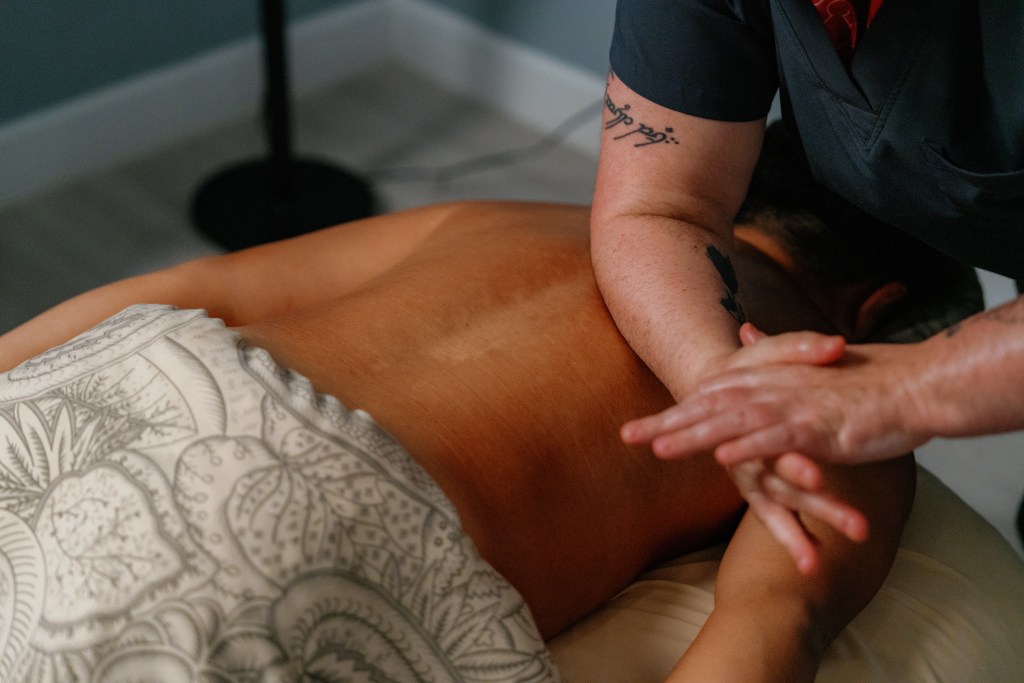

Discover Deep Tissue Massage Perks
Deep tissue massage reaches deep muscle and connective tissue to relieve chronic pain and tension. It also eases stress and physical discomfort. This article explains the benefits, how the technique works, and what to expect in a session. It also shows how J Sterling’s Wellness Spa in Winter Garden can enhance results with expert therapists and tailored wellness packages.
Key Takeaways
- Deep tissue massage targets deeper muscle layers to relieve chronic pain and muscle tension.
- This massage technique improves circulation, promoting healing and relaxation.
- Common techniques include cross-fiber friction, trigger point therapy, and myofascial release.
- Deep tissue massage differs from Swedish massage by using intense pressure for specific tension areas.
- Therapeutic benefits include pain relief, improved mobility, and stress reduction.
- Post-massage care involves hydration, rest, and gentle stretching for lasting relief.
- Regular sessions enhance chronic pain management and overall well-being.
- J Sterling’s Wellness Spa offers tailored deep tissue massage services in Winter Garden.
How Deep Tissue Massage Contributes to Pain Relief and Muscle Tension Alleviation
Therapists use sustained pressure on muscle and fascia to break down adhesions and ease tension. That pressure also boosts circulation, which supports healing and relaxation. The method can release chronic tightness and help with lower back pain, neck stiffness and sports injuries.
Research supports these physiological benefits, showing positive effects on muscle health and overall well‑being.
Massage Benefits: Muscle Tension, Blood Flow & Well-being
Many coaches, athletes and sports medicine personnel observe that massage can offer benefits like increased blood flow, reduced muscle tension and neurological excitability, and a greater sense of well‑being. Mechanical pressure from massage can increase muscle compliance, which may improve joint range of motion and reduce passive and active stiffness.
The mechanisms of massage and effects on performance, muscle recovery and injury prevention, PA Hume, 2005
Understanding how deep tissue massage works clarifies its therapeutic value. Therapists can target specific tension areas and customise the treatment for more effective, personalised results.
What Is Deep Tissue Massage and How Does It Work?
Deep tissue massage works on muscles and fascia with slow, firm strokes to reach inner layers. It’s especially useful for people with chronic pain or those recovering from injury.
For added support, explore the spa packages at J Sterling’s Wellness Spa; they’re designed to complement therapeutic massage sessions.
Understanding Deep Tissue Massage Techniques for Muscle Tension Relief

Common techniques used to relieve muscle tension include:
- Cross-Fiber Friction: This technique involves applying pressure across the muscle fibers to break down adhesions and improve flexibility.
- Trigger Point Therapy: This method focuses on specific points of tension within the muscle, applying pressure to alleviate pain and discomfort.
- Myofascial Release: This technique targets the fascia, the connective tissue surrounding muscles, to release tension and improve overall movement.
Combined, these techniques offer thorough relief from muscle tension, making deep tissue massage an effective treatment option.
How Deep Tissue Massage Differs from Other Massage Types
Deep tissue massage uses firmer pressure on deeper muscle layers, while Swedish massage uses lighter, long strokes for relaxation. Deep tissue zeroes in on specific tension spots.
That focused approach often suits people seeking targeted pain management and relief from stiffness.
What Are the Therapeutic Benefits of Deep Tissue Massage?

Deep tissue massage delivers benefits that support overall well‑being. Key benefits include:
- Pain Relief: Deep tissue massage effectively alleviates chronic pain by targeting specific muscle groups and releasing tension.
- Improved Mobility: By breaking down adhesions and increasing blood flow, this massage technique enhances flexibility and range of motion.
- Stress Reduction: The relaxation induced by deep tissue massage can help reduce stress and anxiety, promoting mental well-being.
That’s why many people include deep tissue massage in their wellness routines, especially if they manage chronic pain or high stress.
How Does Deep Tissue Massage Help with Pain Management?
It manages pain by addressing underlying causes: targeted pressure releases tension and boosts circulation, easing pain and supporting healing in affected areas.
It can help pain linked to arthritis, fibromyalgia and sports injuries. When added to a broader pain‑management plan, people can see meaningful improvements in quality of life.
Can Deep Tissue Massage Aid in Injury Recovery and Relaxation?
Yes. Deep tissue massage supports injury recovery and relaxation by increasing blood flow and reducing muscle tension, which can speed healing. The relaxation effect also helps lower stress and anxiety, aiding recovery.
Athletes include deep tissue massage in training to prevent injuries and improve performance by addressing tightness and promoting recovery.
How to Prepare for Your Deep Tissue Massage Spa Session
A little preparation improves your session. Try these tips to get the most from your appointment:
- Stay Hydrated: Drink plenty of water before your massage to help flush out toxins released during the treatment.
- Avoid Heavy Meals: Eating a light meal before your session can prevent discomfort during the massage.
- Communicate Your Needs: Discuss any specific areas of tension or pain with your therapist to tailor the treatment to your needs.
Follow these steps to maximise the benefits of your deep tissue massage.
What Should You Expect During a Deep Tissue Massage?
Expect a focused, therapeutic session. Your therapist will assess your needs and discuss any concerns. Pressure may vary and can feel intense at times, but it should remain within your comfort level—speak up if it doesn’t.
Afterwards many people feel relaxed and refreshed, with reduced muscle tension and an improved sense of well‑being.
Tips for Maximizing Massage Therapy Benefits
To boost results, try the following:
- Schedule Regular Sessions: Consistency is key to maintaining the benefits of massage therapy. Regular sessions can help manage chronic pain and stress.
- Incorporate Stretching: Gentle stretching after your massage can help maintain flexibility and prevent muscle tightness.
- Practice Self-Care: Engage in self-care practices, such as hydration and relaxation techniques, to support your overall well-being.
Make these habits part of your routine to extend the therapeutic effects of each session.
What Post-Massage Care Is Recommended for Lasting Relief?
Post-massage care helps preserve benefits. Recommended steps include:
- Hydrate: Drink plenty of water to help flush out toxins released during the massage.
- Rest: Allow your body to recover by taking it easy for the remainder of the day.
- Gentle Stretching: Incorporate gentle stretching to maintain flexibility and prevent muscle tightness.
Stick to these post‑care steps to support lasting relief and overall wellness.
When Should You Schedule Your Next Massage Therapy Session?
Booking frequency depends on your needs and goals. For chronic pain or high stress, every 2–4 weeks can be helpful.
Listen to your body—signs of tension or discomfort can guide timing. Regular sessions help maintain muscle health and overall well‑being.
Which Spa Packages and Services Complement Deep Tissue Massage?
At J Sterling’s Wellness Spa, several packages and services complement deep tissue massage to enhance your experience. Options include:
- Wellness Packages: These packages often combine deep tissue massage with other treatments, such as facials or body scrubs, for a comprehensive wellness experience.
- Add-On Services: Consider adding services like aromatherapy or hot stone therapy to enhance relaxation and therapeutic benefits.
These add‑ons create a more holistic spa experience.
How Do Gift Cards and Loyalty Programs Enhance Your Spa Experience?
Gift cards and loyalty programs at J Sterling’s Wellness Spa offer several advantages:
- Gift Cards: Perfect for special occasions, gift cards allow loved ones to choose their preferred treatments.
- Loyalty Programs: These programs reward frequent visitors with discounts and exclusive offers, enhancing the overall spa experience.
Use these offers to make your visits more personalised and rewarding.
Where to Find the Best Deep Tissue Massage Spa Near Me in Winter Garden
If you’re looking for the best deep tissue massage spa in Winter Garden, consider J Sterling’s Wellness Spa. They specialise in a range of wellness and beauty treatments, including deep tissue massage, which is available for 60 minutes for around $95. Other local options include River North Massage and Massage Where Winds Meet, both offering deep tissue massage services.
Why Choose J Sterling's Wellness Spa for Therapeutic Massage Services?
J Sterling’s Wellness Spa emphasises quality therapeutic massage. Skilled therapists take the time to understand each client’s needs and deliver personalised care. With a focus on wellness and relaxation, the spa is a strong choice for effective pain relief and reduced muscle tension.
How to Book Your Deep Tissue Massage Appointment Today
Booking your deep tissue massage at J Sterling’s Wellness Spa is simple. Visit their website or call the spa to schedule. Be sure to mention any specific needs or preferences so your session is tailored.
Choose J Sterling’s Wellness Spa for a rejuvenating deep tissue massage that addresses your individual needs and supports overall wellness.
Frequently Asked Questions
What conditions can benefit from deep tissue massage?
Deep tissue massage can help with chronic pain, sports injuries, arthritis and fibromyalgia. By targeting specific muscle groups it reduces tension and improves circulation, which can aid recovery and pain management. People with stress‑related symptoms may also find relief. Consult a healthcare provider to confirm if it’s appropriate for you.
How does deep tissue massage improve circulation?
Deep tissue massage improves circulation by applying targeted pressure to muscles and fascia, which helps dilate blood vessels and increase blood flow. That delivers more oxygen and nutrients to the tissues, promoting healing and recovery. Massage can also help break down adhesions and scar tissue, further improving circulation and reducing muscle tension.
Is deep tissue massage suitable for everyone?
Not always. Individuals with severe osteoporosis, blood clotting disorders or recent surgery should consult a healthcare professional before receiving deep tissue massage. If you’re especially sensitive to pain, the intensity may be uncomfortable. Always share any health concerns with your therapist to ensure a safe and effective treatment.
How can I find a qualified deep tissue massage therapist?
Ask friends, family or healthcare providers for recommendations and check online reviews for local spas. Look for licensed therapists with specialised training in deep tissue techniques. Many spas, including J Sterling’s Wellness Spa, list therapist qualifications on their website to help you choose.
What should I wear during a deep tissue massage?
Wear comfortable, loose clothing. Many clients undress to their comfort level while therapists use sheets or towels to cover the body, exposing only the area being treated. If you prefer to stay dressed, choose loose attire and tell your therapist your preference to ensure comfort.
Can deep tissue massage help with stress relief?
Yes. By reducing muscle tension and improving blood flow, deep tissue massage promotes relaxation and can ease anxiety. The focused pressure can stimulate endorphin release, which boosts mood and reduces pain. Many clients report feeling calmer and more centred after a session.
How long does a typical deep tissue massage session last?
Typical sessions run 60 to 90 minutes, depending on individual needs. Some spas, like J Sterling’s Wellness Spa, offer customised sessions that focus on specific areas of tension or pain. Discuss your goals with the therapist beforehand so the session is tailored to you.
What conditions can benefit from deep tissue massage?
Deep tissue massage can help with conditions like chronic pain, sports injuries, arthritis and fibromyalgia. It targets muscles to reduce tension and improve circulation, which can aid recovery and pain management. People with stress‑related symptoms may also find relief. Always consult a healthcare provider to confirm if it’s suitable for you.
How does deep tissue massage improve circulation?
Deep tissue massage improves circulation by applying targeted pressure to muscles and fascia, which helps dilate blood vessels and increase blood flow. That delivers more oxygen and nutrients to tissues and supports healing. Massage can also help break down adhesions and scar tissue, further improving circulation and reducing tension.
Is deep tissue massage suitable for everyone?
Not always. People with severe osteoporosis, blood clotting disorders or recent surgery should consult a healthcare professional before getting deep tissue massage. If you’re especially sensitive to pain, the intensity may be uncomfortable. Share any health concerns with your therapist to keep the treatment safe and effective.
How can I find a qualified deep tissue massage therapist?
Ask friends, family or healthcare providers for recommendations and check online reviews for local spas. Look for licensed therapists with specialised training in deep tissue techniques. Many spas, including J Sterling’s Wellness Spa, list therapist qualifications on their website to help you choose.
What should I wear during a deep tissue massage?
Wear comfortable, loose clothing. Many clients undress to their comfort level while therapists use sheets or towels to cover the body, exposing only the area being treated. If you prefer to stay dressed, choose loose attire and tell your therapist your preference to ensure comfort.
Can deep tissue massage help with stress relief?
Yes. By reducing muscle tension and improving blood flow, deep tissue massage promotes relaxation and can ease anxiety. The focused pressure can stimulate endorphin release, which boosts mood and reduces pain. Many clients report feeling calmer and clearer after a session.
How long does a typical deep tissue massage session last?
Typical sessions run 60 to 90 minutes, depending on individual needs. Some spas, like J Sterling’s Wellness Spa, offer customised sessions that focus on specific areas of tension or pain. Discuss your goals with the therapist beforehand so the session is tailored to you.
Conclusion
Deep tissue massage provides pain relief, improved mobility and stress reduction, making it a valuable part of many wellness routines. Understanding its therapeutic mechanisms highlights how it addresses chronic pain and muscle tension. For a tailored experience, consider the specialised services at J Sterling’s Wellness Spa and book an appointment to move toward a more relaxed, pain‑free life.
Conclusion
Deep tissue massage provides essential benefits such as pain relief, improved mobility, and stress reduction, making it a vital part of many wellness routines. Understanding its therapeutic mechanisms highlights its effectiveness in addressing chronic pain and muscle tension. To experience these benefits for yourself, explore the tailored services offered at J Sterling’s Wellness Spa. Schedule your appointment today and embark on your journey to a more relaxed, pain-free life.