
Ultimate DIY Spa Recipes
Make a calm, spa-style bath at home with simple DIY recipes. These easy treatments—bath salts, face masks, essential-oil blends and body scrubs—help you relax and care for your skin without the spa price. This guide explains each recipe and gives practical tips so you can get professional-style results at home.
Key Takeaways
- DIY spa products provide a cost-effective way to enjoy spa treatments at home.
- Homemade bath salts with Epsom salt and essential oils offer relaxation and stress relief.
- Natural face masks using honey, avocado, and oatmeal nourish and hydrate the skin.
- Essential oil blends like lavender and bergamot promote relaxation and stress relief.
- DIY body scrubs with sugar and coconut oil exfoliate and rejuvenate the skin.
- Aromatherapy recipes enhance relaxation techniques and create a multi-sensory experience.
- Combining DIY products with professional spa treatments requires safety precautions.
- J Sterling’s Wellness Spa offers services that complement at-home relaxation routines.
What Are the Best Homemade Bath Salts for Relaxation?

Homemade bath salts add comfort and light therapeutic benefits. A basic mix of Epsom salt and essential oils soothes sore muscles and eases tension. The magnesium in Epsom salt helps relax muscles and may reduce inflammation. Essential oils bring aromatherapy benefits that calm the mind and support mental clarity.
Which Natural Ingredients Enhance Bath Salt Benefits?
Use these natural ingredients to boost your bath salts’ effects:
- Epsom Salt: Known for its muscle-relaxing properties, Epsom salt helps alleviate soreness and tension.
- Essential Oils: Oils like lavender, chamomile, and eucalyptus not only add fragrance but also provide calming effects.
- Herbs and Botanicals: Dried flowers such as rose petals or chamomile can enhance the visual appeal and add soothing properties.
Together they create a calming soak to use after a long day.
How to Prepare and Use Bath Salts Safely at Home?
Making bath salts is simple and uses common ingredients.
- Combine Ingredients: Mix 2 cups of Epsom salt with 10-15 drops of your chosen essential oil in a bowl.
- Add Color and Texture: For added appeal, consider incorporating dried herbs or food coloring.
- Store Properly: Transfer the mixture into an airtight container to preserve its freshness.
Use 1–2 cups in warm bath water and soak for at least 20 minutes to gain the full benefit.
Aromatic baths with carefully crafted essential-oil blends produce strong calming effects, as aromatherapy experts report.
Aromatic Bath Recipes for Deep Relaxation
While teaching an aromatherapy certification course, I shared an essential-oil blend that stayed with me. I often get too hot (or bored) in baths and don’t stay long, but this aromatic bath made me not want to get out. I felt deeply peaceful and relaxed. The Vagus Nerve Bath was born.
Vagus Nerve Bath Salts
How Can You Create Natural Face Mask Recipes for Glowing Skin?
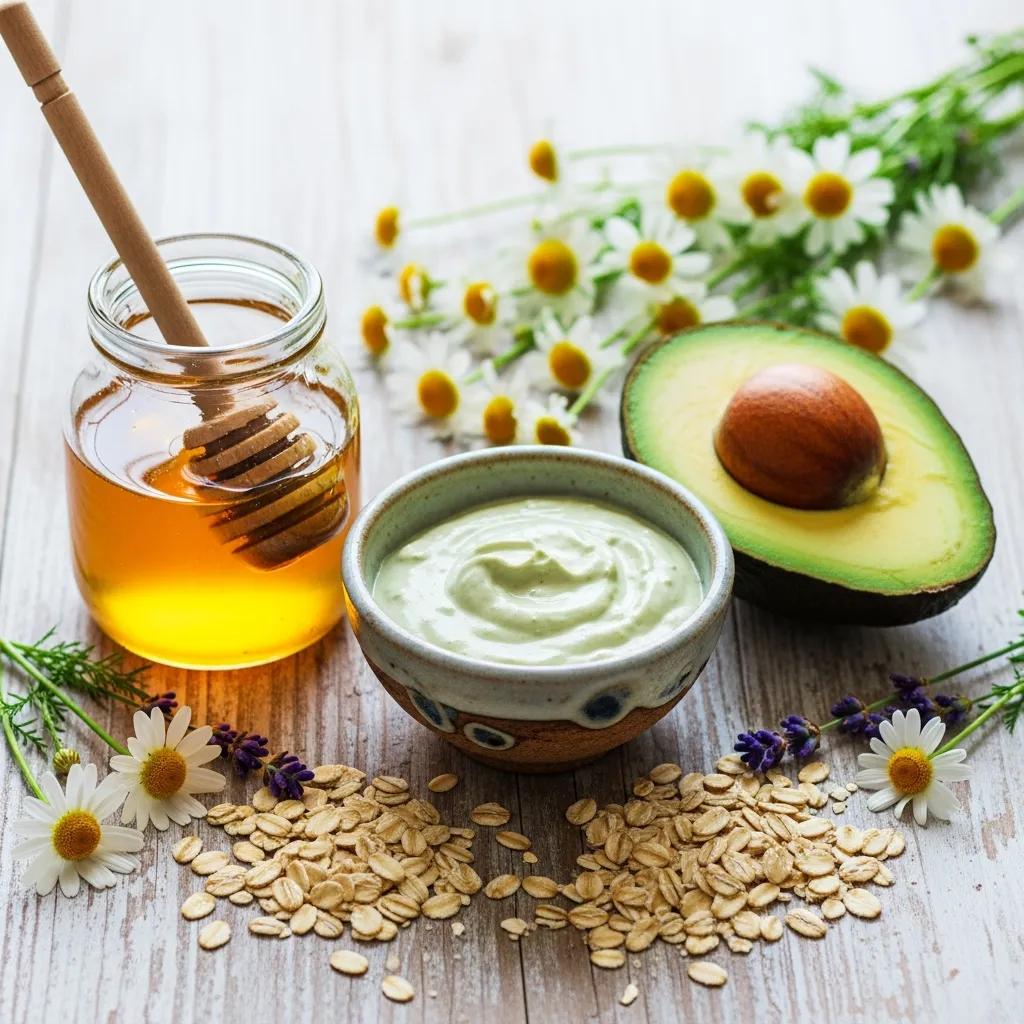
Natural face masks deliver nutrients to the skin and can target dryness, breakouts or dullness. Matching ingredients to your skin type gives the best results. Use simple, organic items to create masks that hydrate, soothe and brighten.
What Are Key Organic Ingredients for Effective Face Masks?
Try these organic ingredients in your DIY masks:
- Honey: A natural humectant that hydrates and soothes the skin.
- Avocado: Rich in healthy fats and vitamins, it nourishes and moisturizes.
- Oatmeal: Known for its soothing properties, oatmeal can help calm irritated skin.
Each one brings specific benefits; together they boost hydration and comfort for healthier-looking skin.
Step-by-Step Guide to Mixing and Applying DIY Face Masks
Making and applying a face mask is straightforward:
- Choose Your Base: Start with a base like yogurt or mashed avocado.
- Add Active Ingredients: Incorporate honey, oatmeal, or other beneficial ingredients.
- Mix Well: Blend until you achieve a smooth consistency.
- Apply: Spread the mask evenly over your face, avoiding the eye area.
- Rinse: After 15-20 minutes, rinse with warm water and pat dry.
Follow these steps for a spa-like facial at home with minimal fuss.
What Are Relaxing Essential Oil Blends for Stress Relief?
Essential oils are an easy way to add relaxation to your routine. Blending lavender, bergamot and frankincense creates calming scents that lift mood and reduce stress. Use blends in a diffuser, bath or diluted for topical use.
Studies support essential-oil blends’ role in reducing stress and improving sleep quality.
Further studies note essential-oil blends can promote relaxation and improve sleep quality.
Essential Oil Blends for Stress Relief & Sleep Enhancement
Aromatherapy with a blend of essential oils is an alternative treatment for stress and sleep disturbances, providing stress relief and sleep enhancement, while increasing the efficacy and scent appeal. This study aimed to formulate an essential oil blend with the potential to reduce stress and enhance sleep quality, and to identify the most preferred blend based on participant satisfaction.
Fragrance preference of essential oil blends for reducing stress and sleep problems in adult women, K Chansiri, 2025
How to Blend and Use Aromatherapy Oils at Home?
To make your own essential-oil blend, follow these steps:
- Select Your Oils: Choose 2-3 essential oils that complement each other.
- Mix in a Carrier Oil: Combine the essential oils with a carrier oil, such as coconut or jojoba oil, to dilute them.
- Store in a Dark Bottle: Keep your blend in a dark glass bottle to protect it from light.
Use a few drops in a diffuser or add them to your bath for a calming effect.
How Do You Make DIY Body Scrubs for Smooth, Healthy Skin?
Body scrubs remove dead skin and leave skin feeling smooth. The mix of exfoliant and oil restores texture and adds moisture. With basic pantry staples you can make a scrub that refreshes and softens skin.
Exfoliation, whether natural or synthetic, is a core principle of good skincare.
Natural Exfoliants for DIY Facial & Body Scrubs
Healthy skin needs regular cleansing to remove dirt, dead cells and sebum. Facial scrubs use natural exfoliants (such as jojoba meal) or synthetic ones (such as polyethylene beads) to remove dead cells. A study formulated face scrubs with natural and synthetic exfoliants at 1%, 1.5% and 2% concentrations and compared their exfoliation effects.
Formulation, development and comparative study of facial scrub using synethetic and natural exfoliant, 2016
What Natural Exfoliants and Oils Are Best for Body Scrubs?
Effective natural ingredients for scrubs include:
- Sugar: A gentle exfoliant that helps remove dead skin cells.
- Coffee Grounds: Known for their invigorating properties, coffee grounds can improve circulation.
- Coconut Oil: A moisturizing agent that nourishes the skin while providing a smooth texture.
Together they make a rich, at-home scrub that polishes and nourishes skin.
Instructions for Crafting and Applying Homemade Body Scrubs
To make a body scrub, follow these steps:
- Combine Exfoliant and Oil: Mix 1 cup of sugar or coffee grounds with 1/2 cup of coconut oil.
- Add Essential Oils: For fragrance, add 10-15 drops of your favorite essential oil.
- Store: Place the mixture in a jar with a tight lid.
Apply to damp skin in circular motions, then rinse for softer, smoother skin.
How Do Aromatherapy Recipes Complement At-Home Relaxation Techniques?
Aromatherapy deepens relaxation by engaging your sense of smell alongside other techniques. Adding essential oils to baths, sprays or massage oils creates a richer, multi-sensory self-care practice that helps reduce stress and ease tension.
What Are Simple Aromatherapy Recipes for Stress and Pain Relief?
Try these simple aromatherapy recipes:
- Calming Lavender Mist: Combine 1 cup of water with 10 drops of lavender oil in a spray bottle for a soothing room spray.
- Energizing Citrus Blend: Mix 5 drops each of lemon and orange oil with a carrier oil for an uplifting massage oil.
- Relaxing Bath Soak: Add 10 drops of chamomile oil to your bath for a calming soak.
Use these mixes in your routine to boost calm and comfort.
How Professional Spa Services Enhance DIY Aromatherapy Benefits
Professional spa treatments can amplify DIY aromatherapy. Therapists use high-quality oils and trained techniques that often yield stronger, longer-lasting results than at-home methods alone.
At J Sterling’s Wellness Spa, we offer a range of services that incorporate aromatherapy treatments. Our therapists can recommend oils and methods that pair well with your home routine and help you get better results.
How Can You Safely Integrate DIY Spa Products with Professional Treatments?
Using DIY products alongside professional services can strengthen your wellness plan. Do it carefully to avoid reactions or reduced treatment effectiveness.
What Are Safety Tips for Combining Homemade Recipes with Spa Services?
Follow these safety tips:
- Patch Test: Always perform a patch test with new products to check for allergic reactions.
- Consult Professionals: Discuss your DIY products with your spa therapist to ensure compatibility with their treatments.
- Avoid Irritants: Be cautious with strong essential oils that may irritate the skin when combined with professional treatments.
Follow these precautions to enjoy both DIY and professional treatments safely.
How J Sterling's Wellness Spa Supports Your At-Home Relaxation Routine
At J Sterling’s Wellness Spa, we take a holistic view of wellness. Our massages, facials and aromatherapy services complement what you do at home. We also run a loyalty programme to reward regular self-care, helping you keep a steady wellness habit.
Frequently Asked Questions
What types of essential oils are best for relaxation?
Lavender, chamomile and bergamot are well known for calming effects. Lavender can reduce anxiety and support sleep; chamomile soothes the mind and body; bergamot lifts mood and eases stress. Blending these oils can create a potent aromatherapy experience for your DIY spa treatments. Always dilute essential oils with a carrier oil before applying them to skin.
Can I customize my DIY spa recipes for specific skin types?
Yes. For oily skin, use clay or tea tree oil to absorb excess oil. For dry skin, choose hydrating ingredients like avocado or honey. For sensitive skin, pick gentle options such as oatmeal or aloe vera. Tailoring recipes helps you address your skin’s needs more effectively.
How can I store my DIY spa products to ensure freshness?
Store DIY spa products in airtight containers in a cool, dark place. Glass jars block light and protect essential oils. Refrigerate items with perishable ingredients like yogurt or fresh fruit. Label containers with the preparation date and use within a few weeks. Check for spoilage before each use.
What are some common mistakes to avoid when making DIY spa products?
Common mistakes include inaccurate measurements, using low-quality or expired ingredients, skipping patch tests, and applying undiluted essential oils. Poor storage can also lead to contamination or spoilage. Avoid these errors to keep your products safe and effective.
How can I incorporate mindfulness into my DIY spa routine?
Add mindfulness by setting a serene environment—dim the lights, play calming music and remove distractions. Practice deep breathing or a brief meditation during treatments. Focus on sensations and aromas, and take a moment of gratitude to deepen the experience.
Are there any specific tools I need for making DIY spa products?
Basic kitchen tools usually suffice, but a mixing bowl, measuring cups and spoons help with accuracy. A blender or food processor smooths masks and scrubs. A whisk or hand mixer improves emulsions. Glass jars and a dropper for essential oils make storage and dosing easier.
Can I use essential oils directly on my skin?
Do not apply essential oils undiluted to skin. They are concentrated and can cause irritation or allergic reactions. Always dilute in a carrier oil like coconut or jojoba. A common safe dilution is 2–3 drops of essential oil per teaspoon of carrier oil.
How often should I use DIY spa products?
Frequency depends on the product and your skin. Body scrubs work best 1–2 times per week to avoid over-exfoliation. Face masks can be used 1–3 times weekly based on needs. Bath salts can be used as desired—watch your skin’s response and adjust.
What are the benefits of using homemade spa products over store-bought ones?
Homemade products often avoid synthetic chemicals, preservatives and artificial fragrances. You choose ingredients that suit your skin and can save money. DIY options also reduce waste when you use common, natural ingredients from your kitchen or local shops.
Are there any risks associated with using DIY spa products?
Risks include allergic reactions, particularly to essential oils or botanicals. Always patch test new products and use fresh, properly stored ingredients to avoid contamination. If you have sensitive skin or a skin condition, consult a dermatologist before trying new remedies.
How can I enhance the effectiveness of my DIY spa treatments?
Create a calm setting—dim the lights, play soft music and light candles. Add simple mindfulness like deep breathing or brief meditation during treatments. Combine therapies (for example, a face mask while bathing) and drink water before and after to support skin health.
What should I do if I experience irritation from a DIY product?
If irritation occurs, stop using the product and rinse the area with cool water. Apply aloe vera or a mild moisturizer if needed. Seek medical help for severe reactions such as swelling or difficulty breathing. To reduce future risk, always patch test and consult a healthcare professional if you have known sensitivities.
Conclusion
DIY spa products let you create an affordable, personalised relaxation routine at home. Using natural ingredients like Epsom salt, honey and essential oils lets you enjoy many spa benefits without leaving the house. Pairing these homemade remedies with professional services can elevate your wellness routine. Use the recipes and tips here to make your home feel like a peaceful spa retreat.
Conclusion
DIY spa products empower you to enjoy a personalised, budget-friendly relaxation experience at home. Using natural ingredients such as Epsom salt, honey, and essential oils delivers spa-style benefits without a visit. Enhancing your self-care with professional services can further lift your wellness journey. Try the recipes and tips to turn your space into a serene spa sanctuary.