
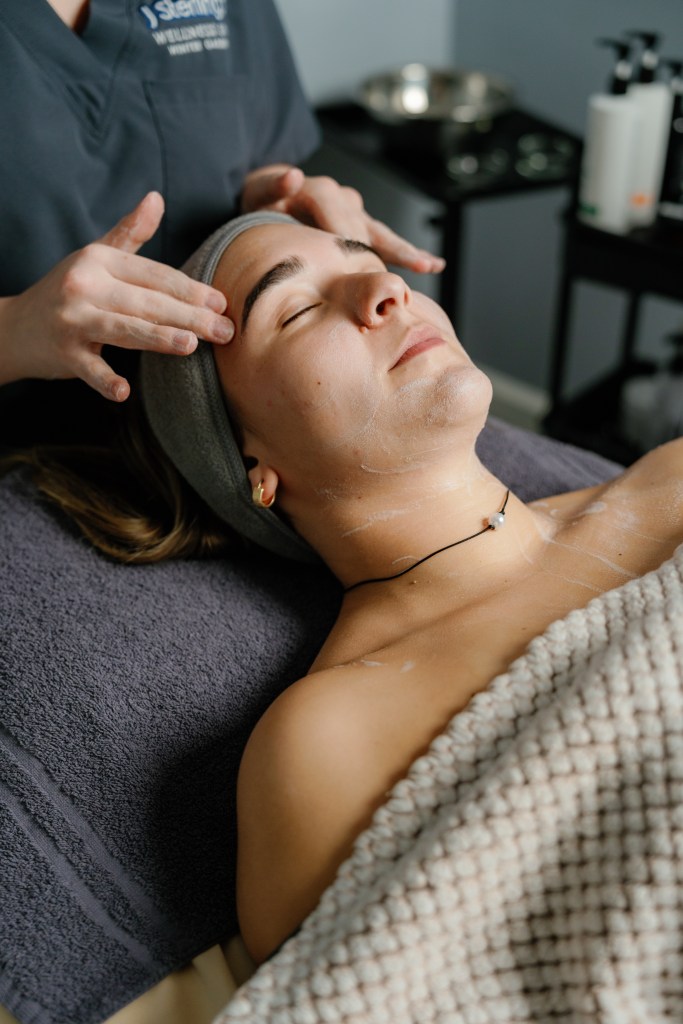

The Science of the Spa: Why Routine Care Outperforms the Occasional Treat
Regular spa visits aren’t an indulgence — they’re a biological investment that compounds over time, delivering results a one-off treatment simply cannot match.
Most people treat a spa day as a reset button, something to reach for after stress has already taken hold. That approach captures maybe 20% of the potential benefit. The real value emerges from consistency. According to the American Academy of Dermatology, “consistency is the most important factor in skincare; professional facials every 4 to 6 weeks align with the natural skin cell turnover cycle to maintain a healthy skin barrier and prevent premature aging.” That 28-to-40-day cycle is biological fact, not a marketing calendar — and professional-grade exfoliation, hydration, and nail care timed to that rhythm produce measurably different outcomes than a twice-yearly splurge.
Routine care works with your body’s own renewal process; occasional treats simply don’t. Beyond the skin itself, stepping into a professional therapeutic environment activates the parasympathetic nervous system — the physiological “rest and digest” mode that lowers cortisol and slows heart rate. That response strengthens each time it’s practiced in the same setting, much like a conditioned reflex.
This is precisely why the demand for a Winter Garden wellness spa that goes beyond aesthetics has grown so sharply. Residents searching “nail salon spa near me” are increasingly looking for an integrated wellness experience — one where the cumulative effects on skin, nails, and nervous system are the actual product. The science backs that instinct completely.
And that same science reveals something even more compelling about what happens inside your body during a professional massage — which is where the real story begins.
Stress Management for the Orlando Professional: More Than Just a Polish
For busy Orlando professionals, chronic stress isn’t abstract — it shows up as neck tension, lower back pain, and the mental fog that follows a full day at a desk.
Sedentary office work creates a predictable physical toll. Hours of screen time compress the cervical spine, tighten the trapezius muscles, and restrict circulation to the extremities. Over time, that tension accumulates into genuine musculoskeletal dysfunction — the kind that affects focus, sleep quality, and daily output.
This is where professional massage therapy moves from “treat” to tool. According to research from the Touch Research Institute, routine massage reduces cortisol levels by an average of 31% while increasing serotonin and dopamine by 28% and 31% respectively.
What that means practically: higher dopamine supports motivation and goal-directed behavior — exactly what professionals need to perform consistently under pressure.
That chemical shift isn’t trivial. Serotonin stabilizes mood; dopamine sharpens drive. Both directly influence workplace productivity in ways that no amount of caffeine can replicate.
When searching for nail and spa near me, the results matter more than proximity alone. Therapeutic environment — trained therapists, clinical-grade techniques, and a genuine wellness focus — determines whether a visit delivers measurable physiological benefit or simply passes an hour. According to the American Massage Therapy Association’s 2023 Consumer Survey, approximately 92% of consumers report massage is effective for managing chronic pain, particularly in the neck and lower back.
Consistent care, in the right setting, compounds. And for those ready to go further than massage alone, emerging treatment technologies are raising the ceiling on what a spa visit can actually deliver.
Advanced Aesthetics: The Role of Red Light and Medical-Grade Care
Professional nail and spa care has evolved well beyond polish and paraffin — today’s most effective clinics pair classic treatments with medical-grade technology that delivers measurable, lasting results.
Red Light Therapy (RLT) isn’t a wellness trend; it’s an FDA Class II certified treatment backed by clinical science. For the uninitiated, that classification means the therapy has undergone regulatory review for both safety and efficacy — a meaningful distinction from the crowded field of unverified beauty gadgets. When you search “spa nails near me” and filter for clinics offering advanced services, RLT is increasingly on that list for good reason.
Stimulate. At the cellular level, RLT works by delivering specific wavelengths of light — typically around 850 nm — that penetrate the outer layers of skin and activate fibroblasts, the cells responsible for producing collagen and elastin. According to the National Center for Biotechnology Information (NCBI), this increase in fibroblast activity directly reduces fine lines over time. You can explore how this cellular repair process translates into visible skin improvements at certified clinics.
Rejuvenate. Collagen production naturally declines with age, making targeted stimulation increasingly valuable after your mid-thirties. RLT addresses this decline non-invasively, without downtime — a practical fit for busy professionals who can’t afford extended recovery.
Maintain. Consistency is what separates meaningful results from one-off improvements. Choosing a clinic with certified equipment matters not just for safety, but because calibrated devices ensure the correct wavelength and dosage reach target tissue every session.
Once you’ve identified the right treatments, understanding how to navigate the full spa experience — from communication with your technician to appropriate gratuity — becomes the next essential step.
Navigating the Spa Experience: Etiquette and Tipping Decoded
Knowing spa etiquette — especially tipping — removes a hidden anxiety that quietly undermines the relaxation you’re paying for.
Q: How much do you tip for a $40 pedicure?A: The industry standard is 15–20%, which means a tip of $6 to $8 is appropriate for professional-quality service. If your technician delivered exceptional care — attentive cuticle work, extended massage, or personalized attention — rounding up to $10 (25%) is a genuine way to acknowledge that.
Tipping as a signal, not an obligation. In practice, gratuity reflects the skill and time your technician invested. Nail spa services involve trained hands, sterilized tools, and real expertise. Tipping at the lower end (15%) is perfectly acceptable for standard work; 20% and above recognizes the kind of thoughtful, unhurried service that makes a visit worth repeating. When searching for nail spas near me, prioritize establishments where gratuity is never awkward to ask about.
Communication protects your results. Before any service begins, tell your technician about health considerations — particularly if you manage neuropathy, diabetes, or reduced sensation in your feet. These conditions require modified techniques: lighter pressure, no aggressive cuticle cutting, and careful water temperature monitoring. Skilled professionals adapt without hesitation when clients speak up. Learning how spa visits support wellbeing holistically can also help you advocate for the right service modifications. Clear, upfront communication isn’t high-maintenance — it’s how great results happen consistently.

Why Location and Atmosphere Matter in Your ‘Nail Spas Near Me’ Search
The environment where you receive care is not incidental — it’s an active ingredient in how effective that care actually is.
High-volume nail salons prioritize throughput over transformation. The in-and-out culture — 45-minute appointments, overlapping conversations, chairs that turn over before the polish has dried — treats your visit as a transaction. There’s nothing inherently wrong with convenience, but it leaves the nervous system largely unchanged. You walk in stressed; you walk out with better nails, but still stressed.
A wellness sanctuary operates on a different premise entirely. According to the Global Wellness Institute, environmental factors like lighting, scent, and sound are clinically shown to lower heart rate and blood pressure — meaning the room itself is doing therapeutic work before a technician ever touches your hands. Boutique nail spa studios in areas like Winter Garden’s Howe Avenue corridor are designed with precisely this in mind: warm lighting, curated scent profiles, and acoustics that signal safety rather than urgency.
That distinction matters for treatment outcomes, too. When the body enters a parasympathetic state — the physiological “rest and digest” mode — circulation improves, muscle tension releases, and skin absorbs products more effectively. An upscale environment isn’t a luxury add-on; it’s what allows the treatments themselves to perform at their highest potential.
Making self-care genuinely sustainable means choosing environments that compound your results — which is exactly what the next section addresses.
The Bottom Line: Making High-End Self-Care Sustainable
Sustainable wellness isn’t about occasional splurges — it’s about building consistent habits that deliver compounding aesthetic and physiological results over time.
Consistency is the non-negotiable factor that separates a one-time treat from a genuine health practice. Regular professional nail care prevents structural damage, while routine massage and facial appointments give your nervous system the recovery cycles it needs to manage modern stress effectively. These aren’t luxuries with diminishing returns — they’re tools that work better the more reliably you use them.
Membership models help bridge the gap between aspiration and habit. According to Sterling Wellness Circle Analysis, these programs typically reduce per-visit cost by 20–30%, making it far easier to commit to the schedule that actually produces results. Pairing that accessibility with evidence-backed treatments — like FDA-cleared cellular renewal therapies shown to stimulate collagen and reduce inflammation — means you’re investing in care that compounds month over month.
Knowing the practical details also removes friction. A common question is how much do you tip for a $40.00 pedicure — the standard answer is $6–$8, reflecting the 15–20% professional norm discussed earlier. Getting comfortable with that expectation preserves the quality of your provider relationships, which directly impacts the consistency of your results.
Key Takeaways:
- Consistent scheduling, not one-off visits, drives measurable nail health and skin improvements
- Professional massage and facials are validated stress-management tools, not indulgences
- Tip 15–20% (roughly $6–$8 on a $40 service) to sustain strong provider relationships
- FDA-cleared light-based therapies offer proven anti-aging benefits with cumulative results
- Membership programs can reduce per-visit costs by 20–30%, making routine care realistic
The path from occasional visitor to genuine wellness lifestyle is shorter than most people expect — and the next step toward that shift is worth exploring.
Your Premium Wellness Journey in Winter Garden
Professional nail care benefits compound over time — but only when care is consistent, not occasional. That’s the core idea behind the Sterling Wellness Circle, a membership structure designed to make high-quality spa visits a predictable, affordable part of your routine rather than a rare reward you talk yourself into once a season.
Affordable luxury isn’t a contradiction — it’s a commitment. The Sterling Wellness Circle is built on the premise that premium services shouldn’t require a special occasion to justify. By spreading the cost of expert care across a monthly membership model, clients in Winter Garden gain access to the kind of attentive, professional-grade treatments that genuinely move the needle on nail health, skin condition, and stress levels. If you’ve been exploring what’s worth the investment in spa packages, consistent membership is consistently the answer.
The shift from occasional indulgence to lifestyle choice is simpler than it sounds. It starts with a single decision: choosing to treat self-care as maintenance rather than a luxury splurge. And between visits, resources like home relaxation techniques can help you extend the benefits of professional care without replacing it.
As J Sterling’s – Winter Garden puts it: “Your premium wellness journey starts here.” That’s not just a tagline — it’s an open door. Book your first Sterling Wellness Circle appointment, and make the transition from treating yourself occasionally to caring for yourself consistently.
Ready to begin? Reserve your spot at J Sterling’s in Winter Garden today.