


Post-Workout Massage Therapy Benefits Near You
Post-workout massage therapy at a quality spa in winter garden is an effective approach to support muscle recovery and overall wellness. This guide explains how post-exercise massage can reduce soreness, improve circulation, relieve tension and enhance flexibility. Athletes and active individuals commonly experience fatigue and muscular tightness after intense training; targeted massage addresses these issues by promoting blood flow, alleviating pain and restoring range of motion. The guide covers key benefits, effective massage types, affordable booking options, supporting evidence and client testimonials.
What Are the Key Benefits of Post-Workout Massage Therapy?
Post-workout massage offers clear benefits for recovery and overall wellbeing. By enhancing blood circulation, it improves delivery of oxygen and nutrients to fatigued muscles and assists in clearing metabolic waste, which helps reduce soreness and stiffness. Massage also promotes relaxation, lowering exercise-related stress and tension. The primary benefits include:
Clinical and sports-medicine experts describe multiple post-exercise advantages of massage that support both physical recovery and mental wellbeing.
Massage Benefits: Blood Flow, Tension, Well-being & Soreness Reduction
Coaches, athletes and sports-medicine personnel commonly report that massage increases blood flow, reduces muscle tension and neural excitability, and enhances a sense of wellbeing. Evidence indicates post-exercise massage can lessen the severity of muscle soreness, though it does not prevent loss of muscle function.
The mechanisms of massage and effects on performance, muscle recovery and injury prevention, PA Hume, 2005
- Muscle Recovery : Enhanced blood flow accelerates the healing process by delivering essential nutrients to muscles.
- Pain Relief : Targeted massage techniques can alleviate pain through the release of endorphins, the body’s natural painkillers.
- Increased Flexibility : Regular massage can improve flexibility by reducing muscle tension and promoting a greater range of motion.
How Does Massage Therapy Enhance Muscle Recovery?
Massage enhances muscle recovery by increasing local circulation and reducing muscle tension. Mechanical pressure during therapy promotes vasodilation, which improves delivery of oxygen and nutrients and facilitates removal of lactic acid and other metabolic by-products. Techniques such as kneading and controlled stretching may also reduce adhesions and scar tissue, supporting faster recovery and improved muscle function.
What Role Does Massage Play in Reducing Muscle Soreness and Pain?
Massage contributes to reduced soreness and pain through endorphin release and decreased muscle tension. Applied pressure activates neural pathways that support natural analgesia while relaxing tight musculature. By addressing both physical discomfort and accompanying stress, massage provides a comprehensive method for post-exercise recovery.
Which Types of Massage Are Most Effective After Exercise?
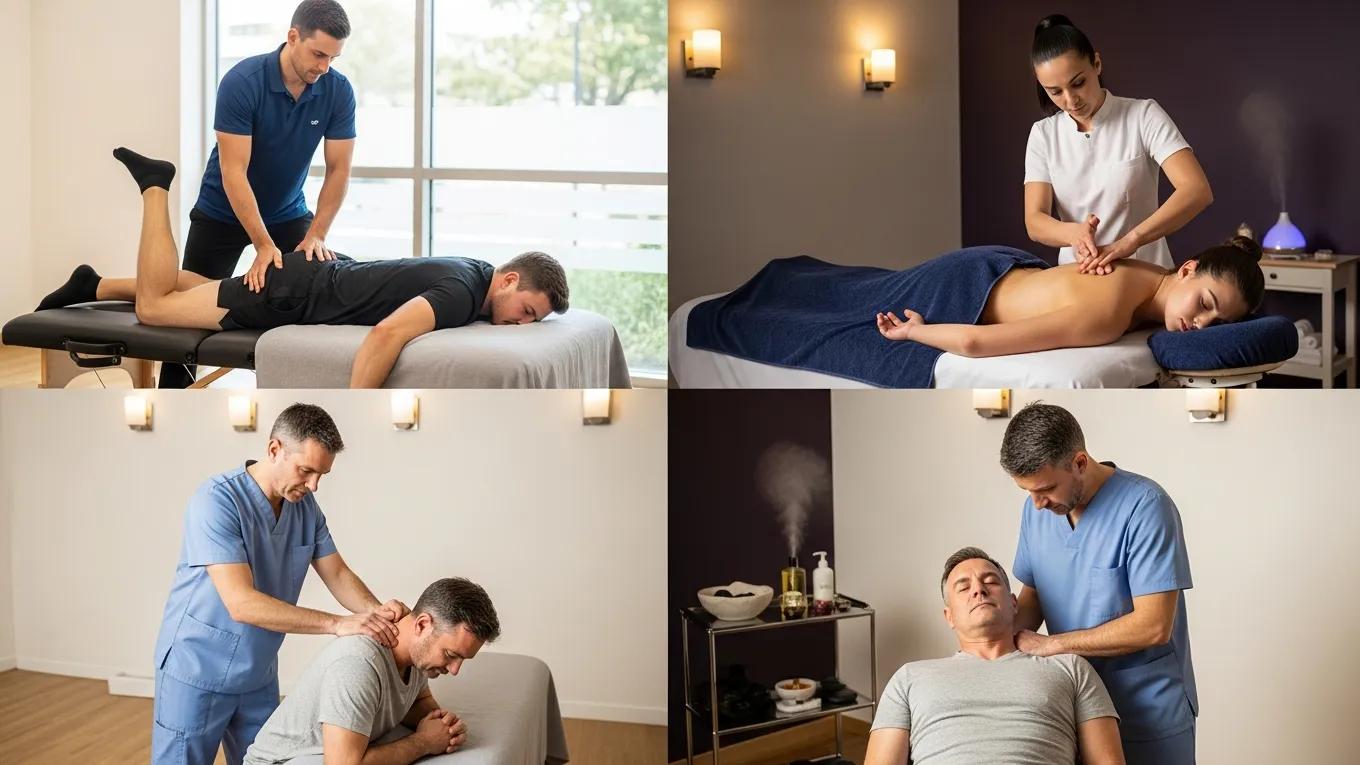
Different massage modalities serve distinct recovery needs. Understanding these approaches helps you select the appropriate technique for rehabilitation and performance maintenance. Commonly used post-workout modalities include:
- Sports Massage : Specifically designed for athletes, sports massage focuses on areas of the body that are overused and stressed from repetitive movements. It enhances recovery, prevents injuries, and maintains flexibility.
- Deep Tissue Massage : This technique targets deeper layers of muscle and connective tissue, making it ideal for chronic pain relief and improving blood flow to tight areas.
- Trigger Point Therapy : This method focuses on specific points of tension within muscles, helping to relieve pain and restore normal function.
What Is Sports Massage and How Does It Support Recovery?
Sports massage is a targeted modality for athletes and active individuals. Sessions concentrate on muscles prone to overuse and combine techniques to improve circulation, increase flexibility and reduce soreness. Regular sports massage can support injury prevention and help maintain athletic performance.
Recent research highlights the efficacy of sports massage in reducing post-exercise symptoms and expediting recovery in athletic populations.
Sports Massage Reduces Post-Exercise Fatigue & Muscle Pain
The findings indicate that sports massage is effective in reducing post-exercise fatigue symptoms and accelerating athletes’ recovery processes. Most studies in the analysis report reductions in muscle pain, improvements in muscle function and decreases in inflammatory responses.
Effects of sports massage on Post-Workout fatigue, G Acar, 2024
How Does Deep Tissue Massage Aid Post-Exercise Muscle Relief?
Deep tissue massage targets the deeper layers of muscle and connective tissue using firm pressure and slow strokes. This technique can relieve chronic tension, improve local blood flow and assist in breaking down adhesions, which enhances mobility and supports recovery of specific tight areas after intense exercise.
How to Book Affordable Post-Workout Massage Services Near You
Booking affordable post-workout massage services is straightforward when you know where to look. Many wellness spas offer massage in winter garden for convenient online booking that simplify scheduling. Follow these steps to secure an affordable session:
- Visit the Spa’s Website : Check the website of local wellness spas to explore their service offerings and pricing.
- Select Your Service : Choose the type of massage that best suits your recovery needs, such as Swedish, deep tissue, or sports massage.
- Schedule Your Appointment : Use the online booking system to select a date and time that works for you.
What Are the Convenient Online Booking Options Available?
Many wellness spas provide online booking platforms that allow clients to review services, select a modality and reserve appointments at their convenience. These systems typically send confirmation emails and reminders to help you manage bookings efficiently.
Are Gift Certificates a Good Option for Wellness and Recovery?
Gift certificates offer a flexible option to support wellness and recovery. Recipients can choose services that meet their needs, which encourages ongoing self-care. They are suitable for friends, family or personal use.
What Scientific Evidence Supports Massage Therapy for Post-Exercise Recovery?

Scientific literature increasingly supports the role of massage in post-exercise recovery. Multiple studies report reductions in muscle soreness and shorter recovery times, with proposed mechanisms including improved circulation, reduced inflammation and enhanced muscle repair processes.
Which Recent Studies Highlight Massage Benefits for Muscle Repair?
Recent studies indicate that massage can reduce delayed onset muscle soreness (DOMS) and accelerate recovery. Participants receiving post-exercise massage commonly report lower soreness levels and a faster return to peak performance, reinforcing massage as a component of effective recovery routines.
A comprehensive review further supports these conclusions, demonstrating massage’s effect on reducing DOMS and improving muscle function.
Massage Alleviates Delayed Onset Muscle Soreness Post-Exercise
This systematic review and meta-analysis evaluated the effectiveness of massage on DOMS and muscle performance after strenuous exercise. The results showed that massage can alleviate DOMS and improve muscle performance following strenuous activity.
Massage alleviates delayed onset muscle soreness after strenuous exercise: a systematic review and meta-analysis, J Xu, 2017
How Does Improved Circulation from Massage Enhance Healing?
Improved circulation from massage delivers oxygen and essential nutrients to muscle tissue while aiding removal of metabolic waste. Enhanced perfusion supports repair processes and overall tissue health, making targeted massage a valuable element of post-exercise care.
What Do Clients Say About Post-Workout Massage Experiences Near You?
Client testimonials provide practical insight into the effectiveness of post-workout massage. Many report measurable improvements in recovery, pain relief and general wellbeing after treatment. These accounts underscore the value of a skilled therapist who tailors care to individual needs.
Which Testimonials Reflect Effective Muscle Recovery?
Clients frequently describe feeling less sore and more relaxed after sessions, with several noting a quicker return to training. These testimonials illustrate the positive impact massage therapy can have on muscle recovery and everyday wellness.
How Do Clients Rate the Quality and Professionalism of Services?
Quality and professionalism are central to client satisfaction. Many clients commend therapists for their expertise and attentiveness; consistent professional care often results in repeat visits as clients maintain their wellness programmes.
For more information on massage therapy services and to explore options tailored to your needs, visit our massage therapy page to review available treatments and booking details.
Frequently Asked Questions
What should I expect during a post-workout massage session?
During a post-workout massage session, expect a professional assessment of muscle tension and areas of discomfort. The therapist will review your training routine and target techniques such as kneading and stretching to address tight muscles and support recovery. Some pressure may cause brief discomfort but should not be painful. Most clients report feeling relaxed and rejuvenated after the session.
How often should I get a post-workout massage for optimal recovery?
Frequency depends on individual needs and training intensity. Athletes or those in high-intensity programmes may benefit from weekly sessions to support recovery and reduce injury risk. Recreational exercisers often find a session every two to four weeks sufficient to maintain muscle health and flexibility. Adjust frequency based on your recovery response.
Can post-workout massage therapy help prevent injuries?
Yes. Post-workout massage can support injury prevention by improving circulation and flexibility, which helps maintain tissue resilience. Targeted techniques address tightness and muscular imbalances that can precede injuries. Regular treatments also enhance body awareness, enabling earlier identification of potential issues.
Is there a specific time after a workout when massage is most effective?
Massage is often most effective within 24 to 48 hours after exercise, when soreness commonly peaks. Immediate post-workout massage can also aid relaxation and initiate recovery. The optimal timing depends on individual goals and recovery needs.
Are there any contraindications for post-workout massage therapy?
Certain contraindications apply. Individuals with acute injuries, infections or open skin conditions should defer massage until healed. People with conditions such as deep vein thrombosis or severe osteoporosis should consult a healthcare professional before treatment. Always disclose health concerns to your therapist to ensure safe care.
How can I choose the right massage therapist for my needs?
Choose a licensed therapist experienced in sports or therapeutic massage for post-workout recovery. Review client feedback and testimonials to assess expertise and satisfaction. Consider a consultation to discuss goals and specific concerns and to confirm the therapist’s approach aligns with your recovery plan.
Conclusion
Post-workout massage therapy supports muscle recovery, reduces soreness and promotes overall wellbeing. By improving circulation and relieving tension, it helps athletes and active individuals maintain performance and recover efficiently. To experience these benefits, book a session with a qualified therapist near you and incorporate massage into your recovery plan.