
The Science of Mechanotransduction: How Pressure Changes Your Skin
Scar tissue and massage have a relationship rooted in the way the body responds to mechanical stimulation — and understanding this connection can change how you approach recovery.
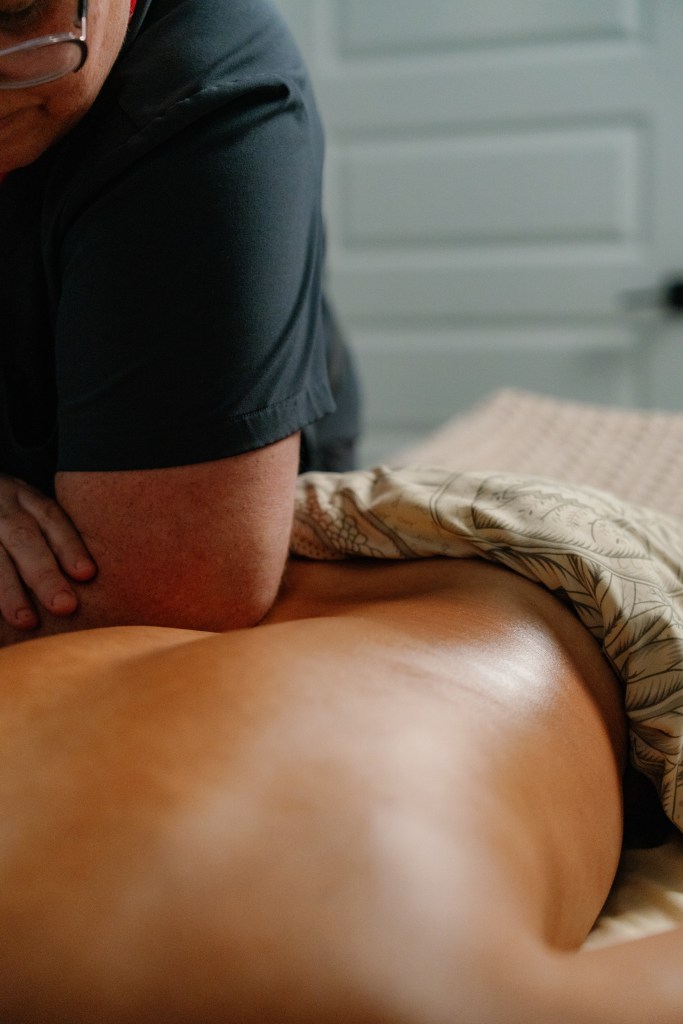
Mechanotransduction is the process by which physical forces are converted into biological signals inside your cells. When controlled pressure is applied to scar tissue, the skin does not simply register touch and move on. Instead, mechanical input can influence how cells respond during the tissue remodeling process. Massage techniques are often used to support collagen organization and improve scar mobility as part of a broader recovery approach.
Collagen alignment is an important part of scar remodeling. During natural wound healing, the body produces collagen fibers as part of the repair process. These fibers may initially form in a less organized pattern, which can contribute to stiffness, tightness, or changes in texture. Consistent scar care techniques may help support tissue flexibility and mobility over time.
So, does massaging a scar actually help? Research suggests that scar massage may support improvements in areas such as scar flexibility, comfort, and mobility when performed appropriately. Treatments like Red Light Therapy may also be explored as part of a broader wellness routine, depending on individual needs and professional recommendations.
Understanding why massage may support scar care at this biological level is the first step toward appreciating how consistent recovery practices can become part of your wellness journey.
Why Scar Massage is Essential for Supporting Mobility and Comfort
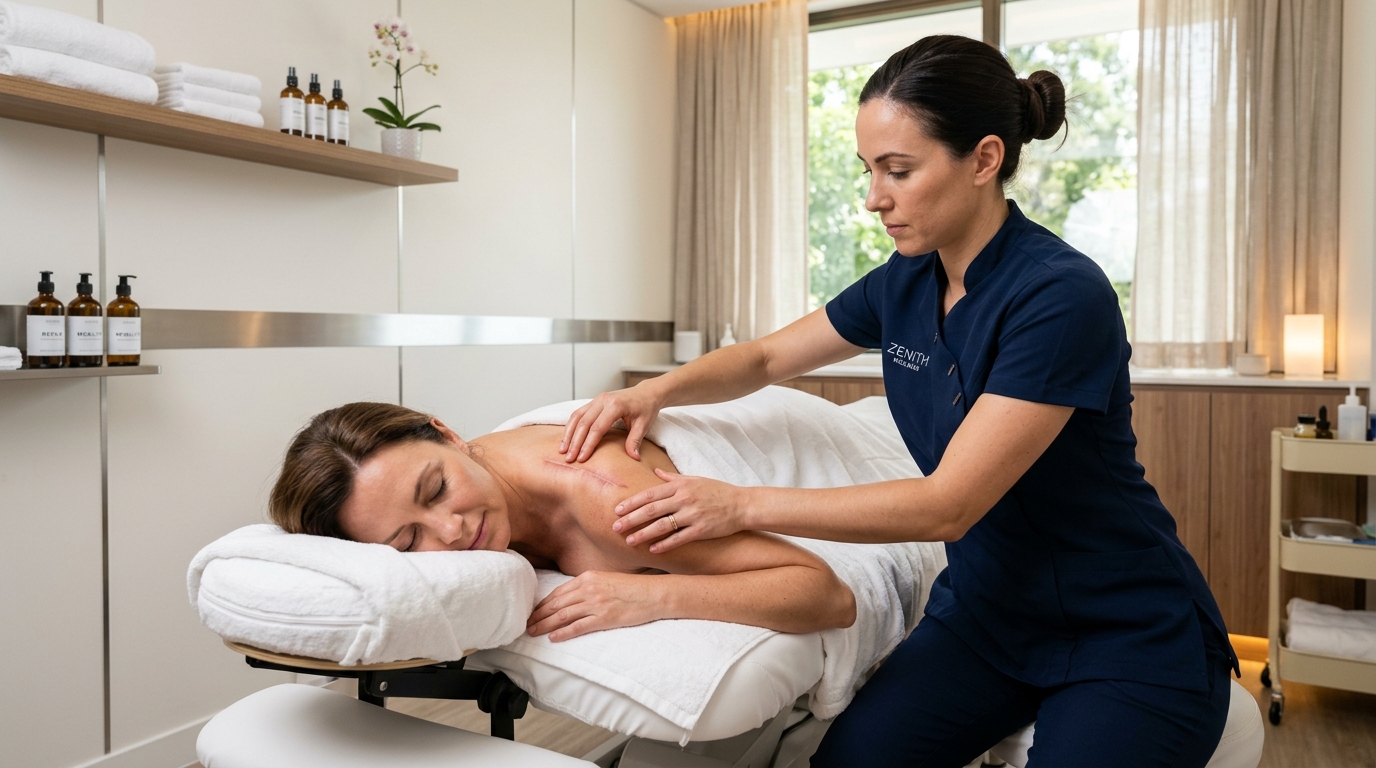
Scar tissue that becomes tight or restricted may affect how the surrounding skin and tissues move. This is why scar care is often focused not only on appearance, but also on supporting flexibility and comfort during recovery.
Adhesion to deeper tissue is one consideration during scar formation. As collagen develops during healing, scar tissue may become less flexible and affect the natural movement between tissue layers. Massage techniques are commonly used to support mobility and help maintain flexibility in the affected area.
According to UW Health, scar massage may help support movement and flexibility in areas affected by scar tissue.
Sensitivity around a scar area can also be part of the recovery experience. Gentle, consistent touch may help individuals become more comfortable with sensations around healed tissue over time.
Combining scar care practices with other wellness approaches, such as Red Light Therapy sessions, may be considered as part of a personalized routine based on individual goals.
Scar recovery can also have an emotional component. Feeling more comfortable with movement and the appearance of healed tissue may contribute to confidence during the recovery process.
Improving scar flexibility is one reason technique matters. Understanding timing, pressure, and proper methods can help create a more informed approach to scar care.
6 Critical Things to Know Before You Start Scar Massage
Before beginning scar massage, it is important to understand that timing, pressure, and technique all play a role in supporting safe recovery.
Starting too early is one of the most common mistakes people make. Scar massage should only begin once the wound has fully healed and according to guidance from your healthcare provider. Applying pressure before the area is ready may interfere with the healing process.
Once you are cleared to begin, keep these six principles in mind:
- Timing: Wait until the wound is fully closed and healed before beginning massage techniques.
- Consistency: Regular, gentle sessions may be more beneficial than occasional longer sessions because tissue remodeling takes time.
- Lubrication: Using an appropriate moisturizer or product recommended for your skin may help reduce friction during massage.
- Pressure: Firm contact may be used, but sharp pain, irritation, or discomfort are signs to reduce pressure.
- Direction: Different massage movements, including circular and linear techniques, may support different aspects of scar mobility.
- Patience: Scar remodeling is a gradual process that can continue over an extended period of time.
Understanding these fundamentals helps transform scar massage from a simple suggestion into a structured part of a personalized recovery routine.
Mastering the Technique: Circular, Linear, and Cross-Friction Motions
Understanding what scar massage does comes down to mechanics — specifically, how different motion patterns can support tissue flexibility and mobility during the recovery process.
Circular motion is often used as a starting technique. Using the pads of two or three fingers, gentle pressure is applied over the scar while moving the skin in small circles. The goal is to move the tissue with your fingers rather than simply rubbing across the surface. This helps focus on skin mobility and the relationship between the scar and surrounding tissue.
Cross-friction massage focuses on movement across the scar line rather than along it. As St George’s University Hospitals NHS Foundation Trust explains, this technique involves applying pressure perpendicular to the scar. This type of movement is commonly used to support scar flexibility and encourage better movement between tissue layers.
Linear massage completes the approach by moving parallel to the scar, gently working along its length. This can be useful for longer scars where tightness affects mobility across a broader area.
Together, these techniques provide different approaches to supporting scar care: circular movements may help improve surface mobility, cross-friction techniques focus on movement across the scar, and linear techniques support flexibility along the scar length.
When home massage is not enough or when a scar continues to affect comfort and movement, professional guidance may provide additional support through personalized techniques.
The Role of Professional Therapy and Advanced Recovery Tools
Home massage can be an important part of scar care, but professional support may help address concerns that require a more personalized approach.
When self-care reaches its limits, a trained professional can provide guidance on appropriate techniques and pressure levels. Licensed massage therapists can help guests understand how to approach scar care safely while considering their individual recovery needs.
Massage therapy may support tissue mobility and comfort when incorporated into a personalized wellness routine. J Sterling’s offers a variety of massage experiences designed around individual goals and wellness preferences.
Red Light Therapy is another wellness option available at J Sterling’s. It can be incorporated into a broader skincare and wellness routine based on individual needs and professional recommendations. Learn more about Red Light Therapy at J Sterling’s.
Knowing when to seek professional support is just as important as understanding technique. If a scar feels restricted, uncomfortable, or continues to affect movement, discussing your concerns with an appropriate professional can help determine the next steps.
Scar care does not have to exist as an isolated process. Building consistent wellness habits can help support a broader approach to skin health and recovery.

The Bottom Line: What You Need to Know About Scar Healing
Scar massage is an accessible technique that may support healing after surgery when performed at the appropriate time and with proper guidance.
The biological foundation is mechanotransduction. When controlled pressure is applied to tissue, cells respond to mechanical signals that can influence the remodeling process. Research suggests that massage may support improvements in scar flexibility, appearance, and comfort when incorporated correctly.
Timing and consistency are important. Scar massage should begin only after the wound has fully healed and according to appropriate guidance. Because scar remodeling is gradual, maintaining consistent care over time is an important part of the process.
Professional guidance can be valuable for complex cases. Concerns such as restricted movement, sensitivity, or discomfort may benefit from evaluation and personalized recommendations.
Here is a concise summary of what scar care involves:
- Mechanotransduction supports tissue remodeling: Controlled pressure may influence how tissue responds during the healing process.
- Begin with healed tissue only: Scar massage should only be started when the area is fully healed and appropriate.
- Consistency matters: Regular care over time supports the overall recovery process.
- Professional support can help: Guidance from trained professionals can help create a personalized approach.
Taking an informed approach to scar recovery can help you feel more confident throughout your healing journey, and the team at J Sterling’s Winter Garden can support your overall wellness goals.
Your Journey to Better Healing in Winter Garden
Taking an active role in your recovery can help you feel more informed and confident after surgery or injury. Scar massage is a supportive practice that can be part of a broader recovery routine when performed at the appropriate time and with proper guidance.
Understanding how tissue responds to movement and consistent care can help you make more informed decisions about your wellness journey. For Winter Garden residents looking for professional support, J Sterling’s offers personalized wellness experiences designed around individual needs and goals.
Massage can be part of a consistent approach to wellness, helping guests maintain routines that support relaxation, recovery, and overall well-being. Explore massage experiences at J Sterling’s to learn more about available options.
Consistency is an important part of any wellness routine. The Sterling Wellness Circle is designed to help guests build ongoing wellness habits through continued support and personalized experiences. Learn more about the Sterling Wellness Circle membership.
Scar care is a gradual process, and every person’s recovery experience is different. With the right information, professional guidance, and consistent care, you can take meaningful steps toward supporting your wellness goals.