
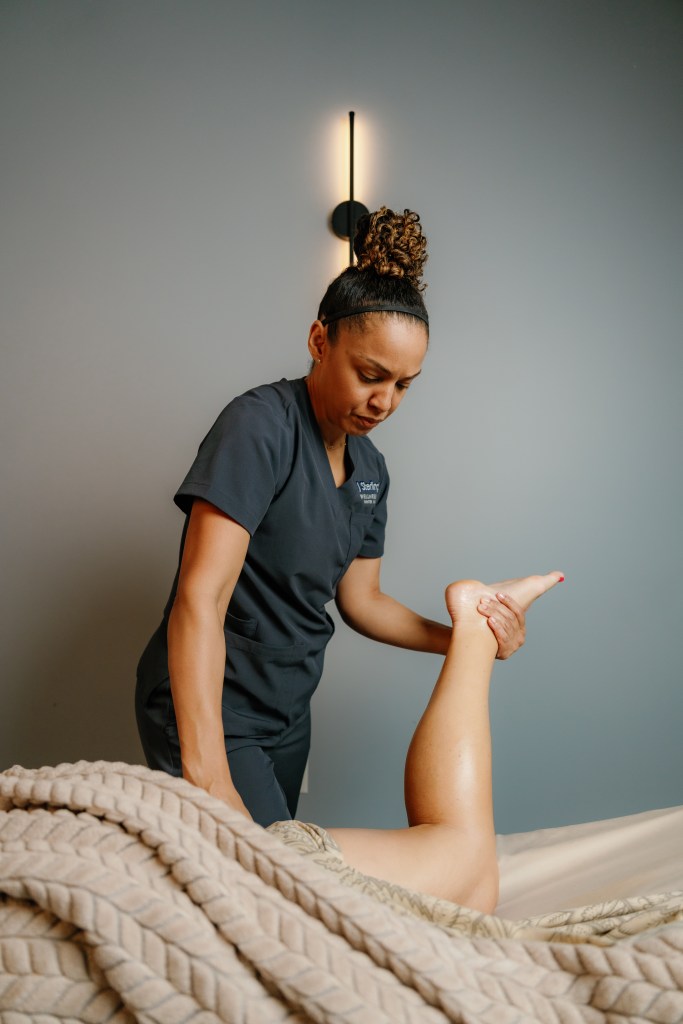
Sciatica can cause severe, life-disrupting pain for many people. This article explains how massage in winter garden may reduce sciatica symptoms, the physiological mechanisms involved, and the specific massage methods that can help. You will find clear information about sciatic nerve anatomy, common causes, and the documented benefits of massage therapy. The guide also outlines what to expect during a session at our spa in winter garden, including the role of licensed therapists and important safety considerations.
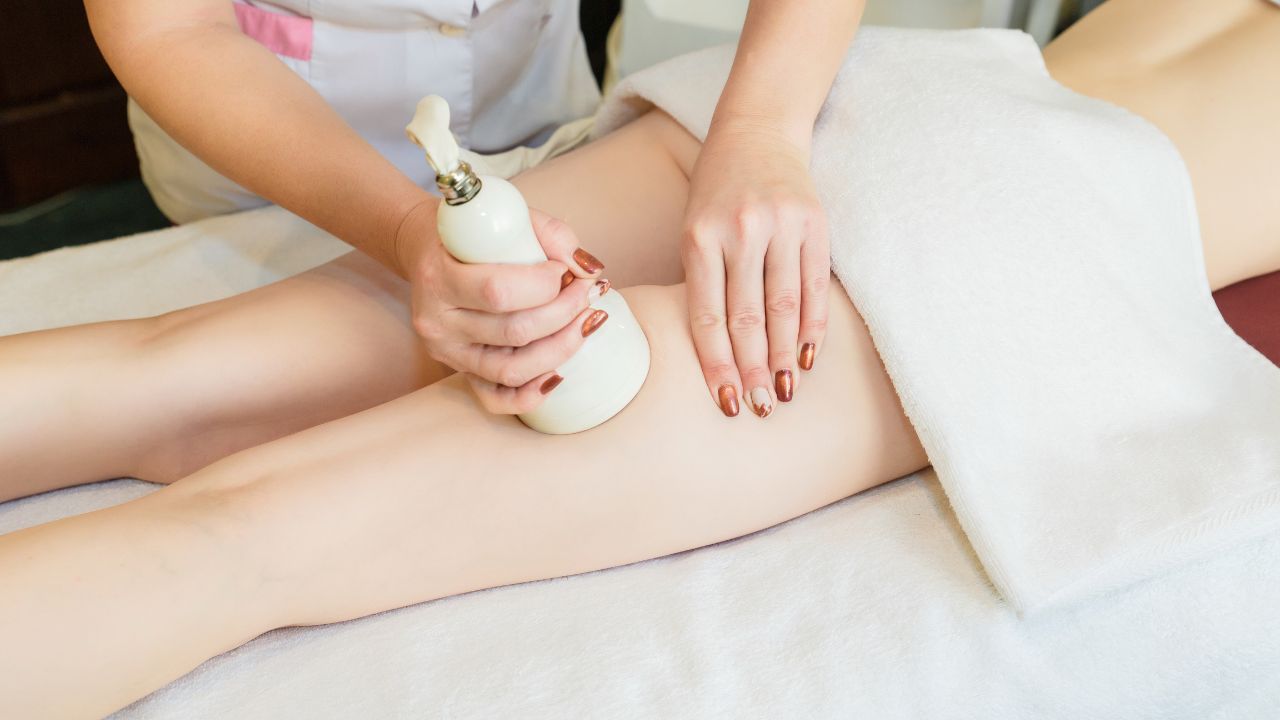
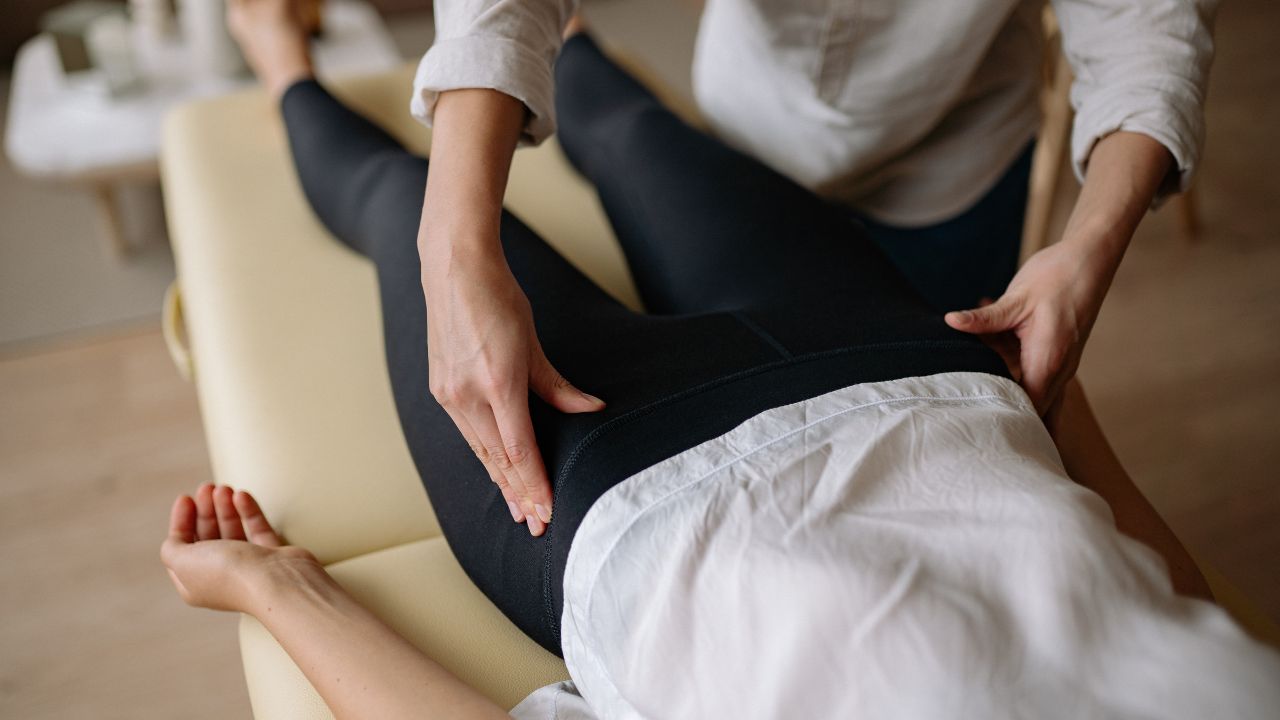

Key Takeaways
- Therapeutic massage can effectively relieve sciatica pain by targeting muscles around the sciatic nerve.
- Sciatica occurs due to compression or irritation of the sciatic nerve, causing pain and mobility issues.
- Common sciatica causes include herniated discs, spinal stenosis, and muscle spasms.
- Massage techniques like deep tissue and trigger point therapy improve circulation and reduce tension.
- Therapeutic massage offers pain relief, improved circulation, and stress reduction for sciatica sufferers.
- Deep tissue massage applies firm pressure to relieve tension and improve mobility in sciatica patients.
- Massage therapy is generally safe, but individuals with certain conditions should consult a healthcare provider.
- J Sterling’s Wellness Spa offers personalized massage sessions tailored to individual sciatica symptoms.
What Is Sciatica and How Does It Affect Nerve Pain?
Sciatica describes pain that follows the sciatic nerve from the lower back through the hips and down the leg. It commonly results from nerve compression or irritation and produces symptoms such as sharp pain, tingling, or numbness. These symptoms can limit mobility and reduce quality of life. A clear understanding of sciatica helps when evaluating treatment options, including therapeutic massage.Understanding Sciatic Nerve Anatomy and Symptoms
The sciatic nerve is the body’s largest nerve, formed by nerve roots in the lower spine and extending to the legs. It provides both sensation and motor function. Symptoms vary but often include lower back pain, leg pain that radiates, and muscle weakness. Early recognition of these signs supports timely intervention and more effective treatment, including massage-based approaches.
Common Causes and Signs of Sciatica Pain
Common contributors to sciatica include herniated discs, spinal stenosis, and muscle spasms. Risk factors such as advancing age, obesity, and prolonged sitting increase susceptibility. Typical signs include sudden pain onset, discomfort while seated, and difficulty moving the leg. Identifying the cause is essential to select the most appropriate therapy.How Does Massage Therapy Alleviate Sciatic Nerve Pain?
Massage therapy addresses muscles around the sciatic nerve to reduce tension and improve function. Techniques such as deep tissue and trigger point therapy release tight tissue and enhance local circulation. This can lead to measurable pain reduction and improved mobility. When scheduled regularly, massage can form part of a comprehensive, long-term sciatica management plan.Mechanisms of Massage for Nerve Pain Relief
Massage relieves nerve-related pain through several mechanisms. Improved circulation delivers oxygen and nutrients while clearing metabolic waste from affected tissues. Muscle relaxation reduces mechanical pressure on the sciatic nerve. Massage may also stimulate endorphin release, providing a natural analgesic effect that complements other pain-management strategies.Benefits of Therapeutic Massage for Sciatica Symptoms
Therapeutic massage offers several benefits for individuals suffering from sciatica, including:- Pain Relief: Targeted massage techniques can significantly reduce pain levels associated with sciatica.
- Improved Circulation: Enhanced blood flow aids in the healing process and reduces inflammation.
- Stress Reduction: Massage promotes relaxation, which can help alleviate the psychological stress often associated with chronic pain.
Which Types of Massage Are Most Effective for Sciatica Relief?
Several types of massage are particularly effective for sciatica relief, including:- Deep Tissue Massage: This technique focuses on the deeper layers of muscle tissue, providing targeted pressure to relieve tension and pain.
- Trigger Point Therapy: This method targets specific points of tightness in the muscles, helping to release knots that may be contributing to nerve pain.
- Neuromuscular Therapy: This approach combines various techniques to address muscle imbalances and improve overall function.
Deep Tissue Massage Benefits for Sciatic Pain
Deep tissue massage uses firm, targeted pressure to break down adhesions and ease persistent muscle tension. This process can reduce inflammation and restore range of motion, often resulting in noticeable symptom improvement for sciatica sufferers.Sciatic Nerve Massage Techniques Explained
Various massage techniques can be employed to target the sciatic nerve effectively. These include:- Myofascial Release: This technique focuses on releasing tension in the fascia, the connective tissue surrounding muscles, which can alleviate pressure on the sciatic nerve.
- Stretching Techniques: Gentle stretching during massage can help improve flexibility and reduce tightness in the muscles surrounding the sciatic nerve.
- Swedish Massage: This technique promotes relaxation and can be beneficial for overall pain relief, making it a good complement to more targeted approaches.
What to Expect During a Sciatica Massage Session at J Sterling’s Wellness Spa
A session begins with a thorough consultation to document symptoms and medical history. The therapist will personalise the treatment plan and adjust pressure and modalities to your comfort. Soothing oils and supportive props are available to enhance comfort. Post-session recommendations often include targeted stretches or exercises to sustain results.Licensed Massage Therapists and Their Expertise
Licensed massage therapists at J Sterling’s Wellness Spa hold the training and credentials to treat sciatica safely. They are proficient in multiple modalities and understand relevant anatomy, enabling them to customise sessions to each client’s needs and ensure evidence-informed care.Session Procedures and Client Comfort Measures
On arrival, clients complete a consultation to review symptoms and set treatment objectives. Therapists then tailor techniques and focus areas accordingly. Client comfort is maintained throughout with adjustable pressure and supportive positioning. Aftercare guidance is provided to extend the session’s benefits.Are There Risks or Precautions When Using Massage for Sciatica?
Massage is generally safe but requires caution in certain situations. Individuals with fractures, severe osteoporosis, infections, or other specific medical conditions should consult a healthcare provider before treatment. Communicate any pain or discomfort during the session to ensure a safe and effective outcome.Safety Considerations and Contraindications
Prior to treatment, inform your therapist of pregnancy, recent surgeries, or chronic health conditions. This information permits appropriate technique adjustments and helps avoid contraindicated areas, ensuring a safe and personalised session.When to Consult a Healthcare Professional
Seek medical attention for severe or persistent sciatica symptoms. Urgent signs include sudden severe pain, loss of bladder or bowel control, or pronounced leg weakness. Prompt evaluation supports more effective treatment and reduces the risk of complications.How to Access Affordable Sciatica Massage Services in Winter Garden
J Sterling’s Wellness Spa offers accessible massage options for sciatica relief, including a range of modalities to suit different needs. Services available include:- Deep Tissue Massage – 60 minutes for $90
- Therapeutic Massage – 60 minutes for $95
- Relaxation Massage – 60 minutes for $85
Booking Options and Gift Card Availability
J Sterling’s Wellness Spa provides convenient online booking for massage sessions. Gift cards are available for purchase, and membership options may be offered to provide ongoing savings for regular clients.
Client Testimonials and Success Stories
Clients at J Sterling’s Wellness Spa report meaningful improvements in pain and daily function after targeted massage therapy. These testimonials underscore how therapeutic massage can support pain management and enhance overall well-being for people with sciatica.Frequently Asked Questions
Can massage therapy be combined with other treatments for sciatica?
Yes. Massage can complement physical therapy, chiropractic care, and medication to improve pain control and mobility. Integrating multiple evidence-based modalities often yields better outcomes. Consult a healthcare provider to coordinate a comprehensive treatment plan.How often should I get a massage for sciatica relief?
Frequency depends on symptom severity and treatment goals. Many clients benefit from weekly sessions during acute phases, then transition to bi-weekly or monthly maintenance as symptoms improve. Work with your therapist to establish an optimal schedule.Are there specific stretches I can do at home to complement massage therapy?
Yes. Gentle stretches for the lower back, hamstrings, and hip flexors can reinforce massage benefits. Common examples include the seated hamstring stretch, piriformis stretch, and child’s pose. Ask your therapist for a personalised stretching routine to avoid aggravating symptoms.What should I wear to a massage session for sciatica?
Wear comfortable, loose clothing that allows easy movement, such as athletic wear or yoga pants. If preferred, you may use the spa gown provided. The priority is your comfort so the therapist can work effectively on targeted areas.How can I maintain the benefits of massage therapy after my session?
Maintain results with regular stretching, adequate hydration, and attention to posture. Low-impact exercise—walking or swimming—helps preserve muscle strength and flexibility. Follow any aftercare advice from your therapist, such as specific stretches or heat application.Is massage therapy suitable for everyone with sciatica?
Massage benefits many people with sciatica but may not be appropriate for everyone. Those with fractures, severe osteoporosis, infections, or other contraindications should consult a healthcare professional before treatment. Always disclose health concerns so therapists can tailor a safe plan.Conclusion
Therapeutic massage can meaningfully reduce sciatica-related muscle tension and improve circulation, resulting in better mobility and reduced pain. Understanding the benefits of different techniques enables informed decisions about care. To experience a tailored approach, consider booking a personalised session at J Sterling’s Wellness Spa and begin your path toward improved function and comfort.