
Pregnancy brings fast, visible changes. Our spa in winter garden offers safe prenatal massage to ease aches and reduce stress. Professional massage in winter garden is the safest option, but massage chairs are popular too — are they right for every pregnancy? This article walks through what massage chairs do, which features matter, the possible risks, and when a professional prenatal massage is a smarter choice. Our goal is to give you clear, practical guidance so you can decide with confidence and comfort.
Research also shows it’s important to listen to pregnant women’s own experiences and concerns about massage safety during this sensitive time.
Pregnant Women’s Perceptions of Massage Safety
Historically, improving safety in care for pregnant women has focused on spotting risks that cause errors or harm, then creating ways to reduce them. Some research suggests feelings of being unsafe can also come from gaps in service, lack of attention, or inconsistent quality. There remains limited evidence about the psychological side of feeling safe when receiving massage during pregnancy. This study set out to capture women’s perceptions and personal experiences about massage safety while pregnant.
Safety and pregnancy massage: A qualitative thematic analysis, S Fogarty, 2020
What Are Massage Chairs and How Do They Affect Pregnancy Safety?
Massage chairs are specially designed seats that use rollers, vibration, heat, and targeted pressure to relieve tension and promote relaxation. Many models combine kneading, rolling, compression and heating elements. While these features help people unwind, their effects on a pregnant body need careful consideration — especially when settings are strong or when certain pressure points are engaged.
What Features of Massage Chairs Impact Pregnant Women’s Safety?
A few chair features are especially important for expectant mothers:
- Vibration Settings: High-intensity vibration can be jarring and may be uncomfortable, particularly in early pregnancy when the body is more sensitive.
- Heat Therapy: Low, soothing heat can ease muscle tension, but overheating should be avoided — keep temperatures moderate.
- Acupressure Points: Some chairs apply pressure in areas that could theoretically stimulate uterine activity. Avoid programs that concentrate on those sensitive points during pregnancy.
How Do Vibration, Heat Therapy, and Acupressure Points Influence Pregnancy?
Gentle vibration and warmth often help reduce stress and muscle pain, which can be beneficial during pregnancy. But stronger vibration or prolonged, high heat may cause discomfort or raise risks for some people. Similarly, acupressure can be helpful when administered carefully, yet pressure on certain points may trigger contractions — so consult your provider and use conservative settings.
Some studies suggest chair massage — including partner-delivered techniques — can help reduce perinatal mood symptoms, anxiety, and pain when done safely and accessibly.
Chair Massage Benefits for Perinatal Mood & Pain
Perinatal women worldwide report mood changes, anxiety, and pain that affect pregnancy and early parenting. Massage is commonly sought for relaxation, pain relief, and emotional support, though access can be limited by socioeconomic factors. Earlier work found that teaching partners to deliver a side-lying or chair massage produced improvements in mood, anxiety, and discomfort for pregnant participants. This pilot study evaluated those health effects when partners learned to give chair massage.
A pilot study of partner chair massage effects on perinatal mood, anxiety, and pain, 2019

When Is It Safe to Use Massage Chairs During Pregnancy?
Safety depends on your pregnancy stage and individual health. Below are general guidelines — always check with your healthcare provider for advice specific to you.
Are Massage Chairs Safe in the First Trimester?
Many providers recommend avoiding massage chairs in the first trimester because of increased sensitivity and limited research on chair-specific risks early in pregnancy. If you want massage during this time, a trained therapist using gentle, pregnancy-aware techniques is usually a safer option.
What Precautions Should Be Taken in Later Trimesters?
During the second and third trimesters some people find chairs helpful, but take sensible precautions:
- Adjusting Settings: Choose lower intensity and shorter sessions to limit discomfort.
- Monitoring Comfort Levels: Stop if you feel any pain, dizziness, or unusual sensations.
- Consulting with Professionals: Talk to your OB/GYN or midwife before trying a massage chair.
What Are the Risks of Using Massage Chairs During Pregnancy?
Massage chairs can be relaxing, but they’re not risk-free for every pregnancy. Be aware of the following concerns and discuss them with your care team.
Can Massage Chairs Cause Miscarriage or Premature Labor?
There’s no conclusive evidence that using a massage chair causes miscarriage or premature labor. Still, pressure on certain points may influence uterine activity in some people — which is why avoiding aggressive acupressure and checking with your provider matters.
How Do Deep Vein Thrombosis and Sensitive Pressure Points Affect Safety?
Pregnancy raises the risk of blood clots (DVT). Massaging or applying strong pressure to the legs when an undetected clot is present can be dangerous because it may dislodge a clot. If you have swelling, a personal or family history of clotting, or other risk factors, skip chair massage until you’ve cleared it with your doctor.
Clinical reports reinforce caution: leg massage can be life-threatening for pregnant women with unrecognized DVT, so medical screening is essential when risk factors exist.
Pregnancy Massage Risks: Deep Vein Thrombosis
Massaging the legs of a person with deep vein thrombosis can dislodge a thrombus and cause a pulmonary embolism — a potentially fatal event. Because pregnancy increases the chance of undetected thromboembolism, massage that contacts the legs should be avoided unless a clinician has ruled out DVT or given explicit clearance.
Leg massage during pregnancy with unrecognized deep vein thrombosis could be life threatening: A case report, K Sutham, 2020
Why Is Professional Prenatal Massage Recommended Over Massage Chairs?
Licensed prenatal therapists tailor positioning and pressure to an expectant body in ways a chair cannot. They can avoid risky points, modify techniques for comfort, and respond in real time to how you feel.
What Are the Benefits of Expert Prenatal Massage Therapies?
- Stress Relief: Professional touch helps lower anxiety and promotes relaxation tailored to pregnancy.
- Pain Management: Therapists focus on common pregnancy aches — lower back, hips, and shoulders — with safe techniques.
- Improved Sleep: Regular, pregnancy-safe massage often supports better rest and comfort at night.
How Do Skilled Therapists Tailor Techniques for Pregnancy Comfort and Safety?
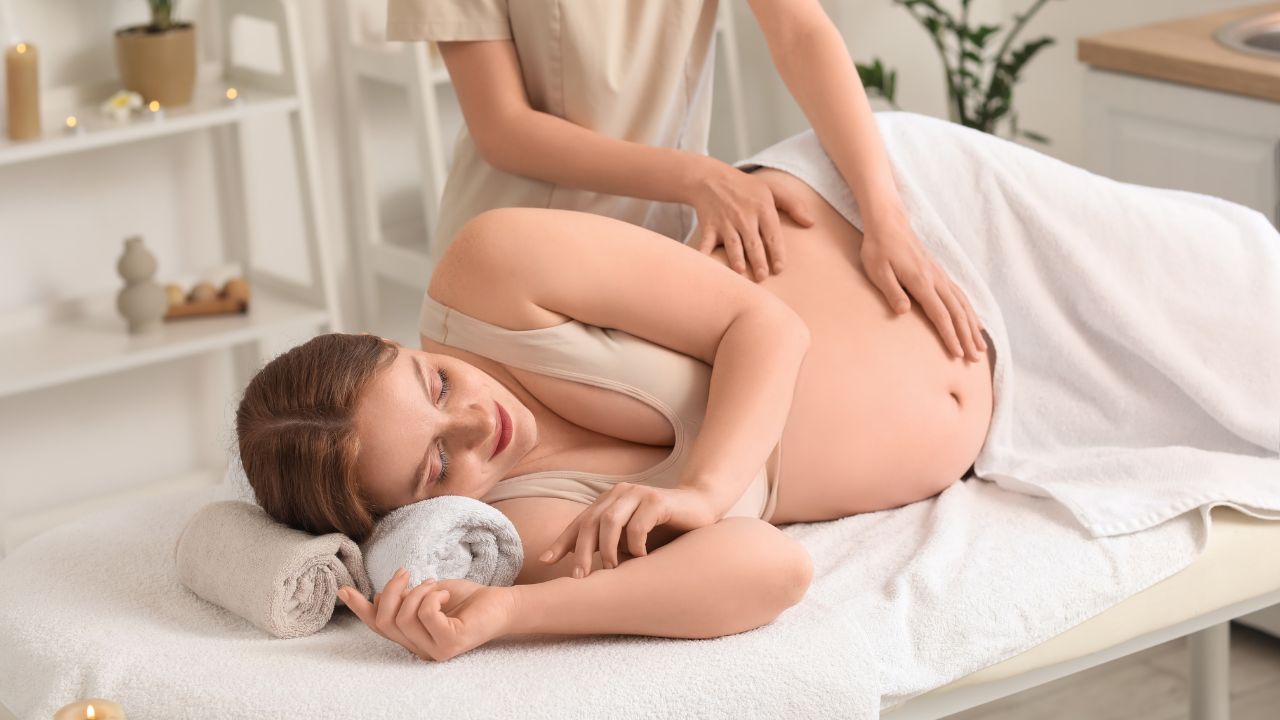
Therapists adjust position, use pregnancy-specific cushions or side-lying methods, and apply gentle, controlled pressure. They also screen for risks and communicate during the session so adjustments are immediate and appropriate.
How Can Expecting Mothers Safely Enjoy Massage Services at J Sterling’s Wellness Spa?
At J Sterling’s Wellness Spa in Winter Garden, we provide prenatal massage options designed around your safety and comfort. Our therapists are trained to support expectant mothers with thoughtful, evidence-informed care.
What Prenatal Massage Services Does J Sterling’s Offer in Winter Garden?
We offer prenatal-focused massage services that respect each stage of pregnancy. Common options include:
- Gentle Swedish Massage: A soothing, low-pressure session to ease tension and calm the nervous system.
- Targeted Pain Relief: Focused work on areas like the lower back, hips, and shoulders using pregnancy-safe techniques.
- Customized Techniques: Sessions tailored to your trimester, comfort level, and any clinical considerations.
How to Book and What to Expect During a Prenatal Massage Session?
Booking is simple — schedule online or call our Winter Garden spa. Expect a quiet, welcoming room, an intake check to understand your needs and risks, and a therapist who adjusts position and pressure throughout the visit. We’ll also share post-session tips to help you make the most of the benefits.
When Should Pregnant Women Consult Healthcare Providers About Massage Chair Use?
Talk with your healthcare provider before using a massage chair, especially if you have any medical concerns or pregnancy complications. Their guidance helps you choose what’s safe for your situation.
What Are the Pregnancy Massage Guidelines and Contraindications?
General contraindications include:
- High-Risk Pregnancies: If your pregnancy is classified as high-risk, avoid massage chairs unless your clinician approves.
- History of Miscarriage: Previous losses may warrant extra caution and medical consultation.
- Medical Conditions: Conditions such as DVT, uncontrolled hypertension, or preeclampsia require provider input before massage.
How to Recognize High-Risk Conditions Requiring Medical Advice?
- Severe Pain: New or unexplained intense pain should be evaluated immediately.
- Swelling: Sudden or severe swelling in the legs or feet can signal clotting issues.
- Bleeding: Any vaginal bleeding requires immediate medical attention.
| Feature | Impact on Pregnancy | Recommendation |
|---|---|---|
| Vibration | May cause discomfort or jarring sensations | Start with low settings; avoid high intensity |
| Heat Therapy | Can help muscle tension but risks overheating | Use moderate heat and monitor temperature |
| Acupressure Points | Some points could stimulate contractions | Avoid programs that target sensitive areas |
| Risk Factor | Description | Recommended Action |
|---|---|---|
| Deep Vein Thrombosis | Higher pregnancy-related clot risk | Discuss with your healthcare provider before massage |
| Sensitive Pressure Points | May cause discomfort or other reactions | Avoid direct pressure on those areas |
| Miscarriage History | May require additional precautions | Seek personalized medical advice |
In short: massage chairs can offer relaxation, but they’re not a one-size-fits-all solution during pregnancy. Talk with your care team, choose gentle settings, and consider professional prenatal massage when you want targeted, safe treatment. If you’re near Winter Garden, our team at J Sterling’s Wellness Spa is here to support you with pregnancy-aware care.
Frequently Asked Questions
Can I use a massage chair if I have a history of pregnancy complications?
If you’ve had pregnancy complications — for example, high blood pressure, gestational diabetes, or past miscarriages — check with your healthcare provider before using a massage chair. Your provider can recommend safe options or refer you to a prenatal massage therapist who will adapt care to your needs.
What should I do if I feel uncomfortable while using a massage chair during pregnancy?
If you feel any discomfort, stop immediately. Lower the intensity, change position, or end the session. Always listen to your body; if symptoms persist, contact your healthcare provider to rule out underlying issues.
Are there specific massage chair brands recommended for pregnant women?
No single brand is universally endorsed for pregnancy. Look for chairs with clearly adjustable intensity and heat controls, and avoid programs that apply focused pressure to the abdomen or pelvic area. When in doubt, consult your clinician or choose a professional prenatal therapist instead.
How can I ensure a safe massage experience at home during pregnancy?
Keep sessions short, use low settings, and avoid concentrated pressure on the legs or lower abdomen. Talk to your healthcare provider about any personal risks, and consider booking with a licensed prenatal therapist for the safest, most effective care.
What are the signs that indicate I should stop using a massage chair?
Stop and seek advice if you notice sudden pain, unusual abdominal sensations, dizziness, swelling, bleeding, or severe headaches. These symptoms warrant immediate attention from your healthcare provider.
Is it safe to use massage chairs during postpartum recovery?
Many people can use massage chairs during postpartum recovery, but timing and settings matter. Check with your healthcare provider, especially if you had a cesarean, bleeding, or other complications. Your provider can recommend when and how to resume massage safely.
Conclusion
Massage chairs can be a helpful tool for relaxation in pregnancy, but safety depends on the individual — your trimester, medical history, and how you respond to the chair. When in doubt, seek medical advice and consider professional prenatal massage for tailored, safe care. If you’d like pregnancy-aware massage in Winter Garden, J Sterling’s Wellness Spa offers experienced therapists ready to support your comfort and well-being.