
Massage guns are popular for at-home recovery, but for real results, professional massage in winter garden is recommended. This guide from our spa in winter garden looks at the science behind percussive devices, what benefits are supported by evidence, where limitations remain, and how they compare to hands-on therapy. Read on to decide if a massage gun fits your routine—or whether a visit to J Sterling’s Wellness Spa in Winter Garden for professional care is the better option.
What Are Massage Guns and How Do They Work?
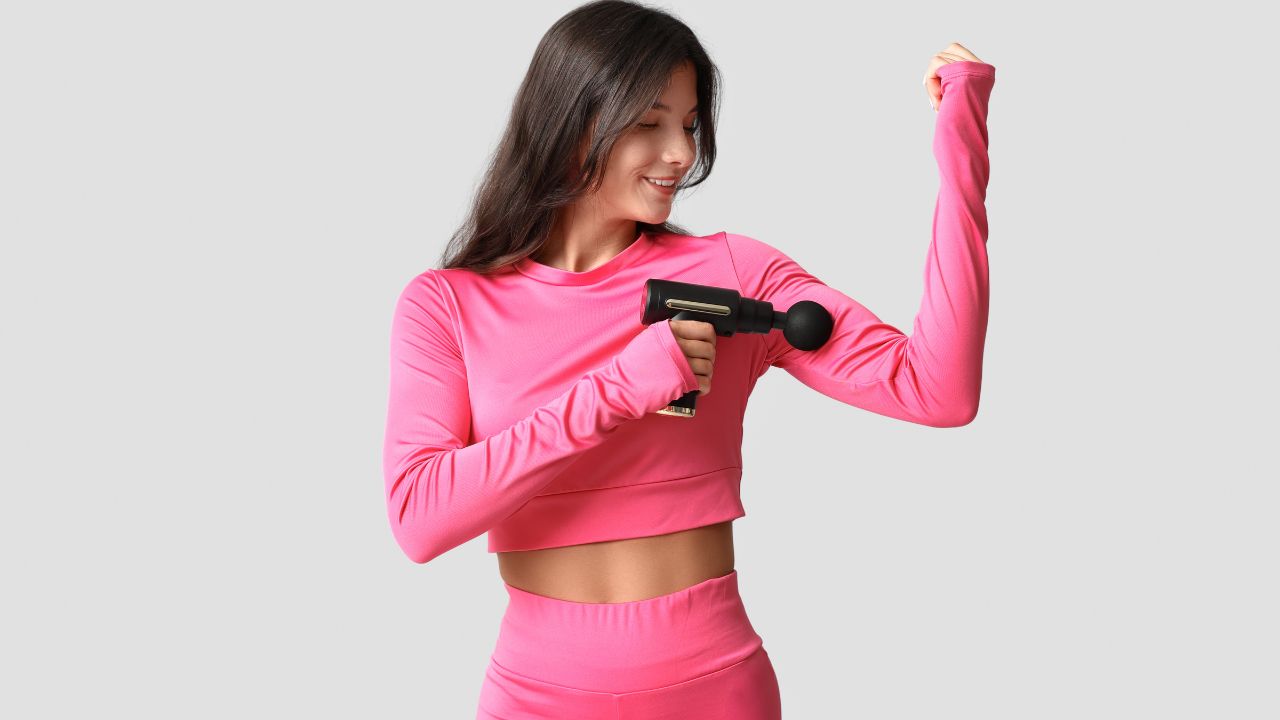
Often called percussive therapy devices, massage guns are handheld tools that deliver short, rapid pulses to muscle tissue. They’re designed to target tight spots and increase local circulation, helping muscles feel looser and recover faster after activity. Athletes and active people favor them for quick, focused relief between workouts.
How Does Percussion Therapy Stimulate Muscle Recovery?
Percussion therapy applies fast, repetitive pressure to muscle fibers. That action can boost blood flow—bringing oxygen and nutrients in while helping clear waste products. Some studies and user reports suggest this approach reduces soreness and speeds recovery after intense exercise, though higher-quality research is still needed to confirm the full scope of effects.
Recent reviews point out that the research is still developing and that specific physiological effects of percussive therapy need clearer evidence.
Systematic Review: Percussive Therapy, Performance, and Musculoskeletal Pain
Current literature is limited on how percussive therapy (PT) from massage guns affects physiological adaptations. This systematic review examines studies on PT’s impact in strength and conditioning settings and on musculoskeletal pain experiences.
The effect of percussive therapy on musculoskeletal performance and experiences of pain: a systematic literature review, J Simons, 2023
What Role Does Increased Blood Flow and Nervous System Activation Play?
Better blood flow helps muscles get the nutrients they need to repair, while gentle nervous-system stimulation can improve muscle responsiveness and reduce tension. Together, these effects may help with recovery, ease stress, and support a sense of relaxation—especially when used as part of a broader recovery routine.
What Are the Proven Benefits of Massage Guns?
Massage guns can offer several practical benefits that many users find helpful: reducing post-workout soreness, improving flexibility, and supporting joint range of motion. The strength of the evidence varies by outcome, so it’s helpful to match expectations to what studies and clinicians currently report.
- Less Muscle Soreness : Research and user feedback suggest massage guns can ease delayed onset muscle soreness (DOMS) after hard workouts by improving circulation and helping clear metabolic byproducts.
- Better Flexibility : Regular, brief application may loosen tight muscles and fascia, making movement feel easier and lowering injury risk when combined with proper stretching.
- Improved Range of Motion : Targeting specific muscles can help joints move more freely—useful for rehab and performance when applied correctly.
How Do Massage Guns Reduce Delayed Onset Muscle Soreness?
DOMS—the stiffness and soreness that follows intense exercise—can be lessened for some people after using a massage gun. The device’s stimulation may accelerate waste removal and circulation to the affected area. While many users report meaningful relief, stronger clinical trials are still needed to define exactly how large and lasting those benefits are.
New studies aim to measure percussion therapy’s direct effect on DOMS more precisely.
Efficacy of Massage Guns for Delayed Onset Muscle Soreness (DOMS)
PURPOSE:Percussion therapy, or massage gun application, has grown in popularity as a method for patients that endure symptoms of delayed onset muscle soreness (DOMS). There is little research on the effects of percussion therapy. At peak soreness the serial application of percussion therapy may show significant results in decreasing the symptoms of DOMS. The purpose of this study was to assess the efficacy of percussion therapy, via serial massage gun application, on individuals that are induced with DOMS in the biceps muscles.
Effects of Percussion Therapy on Delayed Onset Muscle Soreness, 2023
Can Massage Guns Improve Flexibility and Range of Motion?
By working on tight spots and small adhesions, massage guns can make muscles feel more pliable and improve how joints move. Many people report greater ease in bending and stretching after short sessions, especially when the device is used alongside a stretching routine.
Practical application tips for improving ROM and flexibility with massage guns have been explored in recent reviews.
Massage Gun Application for ROM & Flexibility Improvements
For ROM and flexibility improvements, massage guns should be applied briefly (2 min or less per muscular group) at high frequencies (more than 40 Hz).
The effects of massage guns on performance and recovery: a systematic review, RM Ferreira, 2023

What Are the Limitations and Safety Considerations of Massage Guns?
Massage guns are useful tools, but they aren’t a cure-all. Knowing their limits and following safety guidelines reduces risk and improves results.
Which Muscle Recovery Aspects Are Massage Guns Less Effective For?
Massage guns aren’t always the best choice for deep tissue problems, complex injuries, or conditions like tendonitis. In those cases, hands-on therapy from a trained professional or medical treatment is often safer and more effective. If you have health concerns, check with your clinician before using a percussion device.
How Can Users Safely Use Massage Guns to Avoid Injury?
Use massage guns thoughtfully: begin on lower intensity, avoid bony areas and joints, and limit time on any one muscle group. Stop if something hurts. These simple steps help prevent overuse and keep sessions productive.
How Do Massage Guns Compare to Professional Massage Therapy?
Both options have value. Massage guns give fast, focused relief at home, while professional therapists offer hands-on, tailored treatments that can address deeper or more complex issues.
What Unique Benefits Do Professional Massages Offer Over Massage Guns?
A trained therapist can assess your body, apply deeper or more nuanced techniques, and adapt a session to treat injuries or chronic pain. That expertise often reaches areas and layers a device can’t, and the personalized care supports long-term recovery and relaxation.
How Can Massage Guns Complement Spa Treatments at J Sterling’s Wellness Spa?
At J Sterling’s Wellness Spa, massage guns can be used alongside traditional treatments to enhance results—think as a warm-up before hands-on work or a finishing touch afterward to extend relief. Combining modalities gives a fuller approach to recovery and relaxation.
When Should You Choose Professional Massage Over Massage Guns?
For routine soreness and maintenance, a massage gun is often sufficient. For persistent, severe, or medically complex issues, a professional assessment and hands-on treatment are the safer, more effective choice.
Which Conditions Require Expert Assessment and Treatment?
Chronic pain, major injuries, or specific diagnoses should be evaluated by a healthcare professional. In these situations, therapists can build a targeted plan that addresses root causes rather than just symptoms.
How Does Personalized Treatment Enhance Muscle Recovery and Relaxation?
Tailored treatment plans consider your history, pain patterns, and goals. That personalization helps therapists choose techniques and timing that improve recovery, reduce discomfort, and increase long-term comfort and mobility.
How Can You Integrate Massage Guns Into Your Wellness Routine Effectively?
When used thoughtfully, massage guns can be a helpful part of recovery. The key is combining them with sensible habits and knowing when to seek hands-on care.
What Are Best Practices for Combining Massage Guns with Other Recovery Methods?
Pair percussion with stretching, hydration, and good nutrition for best results. A simple routine might include a short massage-gun session after exercise, then gentle stretches to lock in mobility gains.
How Does Nutrition and Hydration Support Muscle Health Alongside Massage Therapy?
Fueling your body with adequate protein, vitamins, and minerals supports repair, and staying hydrated keeps tissues resilient. Massage and percussion help locally, but nutrition and fluids are central to overall recovery.
| Benefit | What it means | Evidence level |
|---|---|---|
| Reduction of Muscle Soreness | Massage guns may help alleviate DOMS by increasing blood flow and potentially reducing inflammation. | Moderate (some studies and user reports) |
| Improved Flexibility | Regular use may enhance flexibility by loosening tight muscles and fascia. | Low to Moderate (user testimonials and limited studies) |
| Enhanced Range of Motion | Targeting specific muscle groups may increase joint mobility. | Low to Moderate (anecdotal evidence) |
The table above summarizes the most commonly reported benefits of percussion devices and the current state of evidence for each.
Massage guns can be a useful tool in many recovery plans, but they work best when paired with sensible habits and professional guidance as needed. If you’re unsure what’s right for you, our team at J Sterling’s Wellness Spa can help you design a safe, effective routine.
Frequently Asked Questions
Can anyone use a massage gun, or are there specific groups that should avoid them?
Many people can use massage guns safely, but some should be cautious. If you have osteoporosis, serious heart issues, recent surgery, or acute injuries, check with your healthcare provider before using one. People with chronic pain problems often benefit more from a professional assessment than from self-administered percussion.
How long should I use a massage gun on each muscle group?
Keep sessions short—generally no more than 1–2 minutes per muscle group. Short, focused application reduces the risk of overuse while still providing benefit. Always listen to your body and stop if you feel pain.
Are there specific techniques for using a massage gun effectively?
Start on a low setting and increase intensity gradually. Glide the device slowly over the muscle, pausing briefly on tight spots instead of holding in one place for too long. Finish with gentle stretches to reinforce mobility gains.
How often should I use a massage gun for optimal results?
Frequency depends on your needs. For general recovery, 2–3 times per week often suffices. Athletes or those training hard may use them daily after workouts. Adjust based on how your body responds.
Can massage guns be used on all body parts?
Most muscle groups are appropriate for percussion, but avoid delicate or bony areas like the neck, directly over the spine, and joints. Use caution around sensitive regions and follow the manufacturer’s instructions or ask a therapist for guidance.
What should I look for when choosing a massage gun?
Choose a model with adjustable power and multiple speed settings, good battery life, and ergonomic weight. Interchangeable attachments help target different areas. Practical features and comfort of use matter more than flashy specs.
Conclusion
Massage guns can play a helpful role in your recovery toolkit—reducing soreness, improving flexibility, and supporting range of motion when used properly. They’re best seen as a complement to smart training, hydration, and nutrition, and not a replacement for hands-on care when you need it. If you’d like personalized advice, our therapists at J Sterling’s Wellness Spa are happy to recommend how percussion fits into your wellness plan.