

Massage guns are popular tools for easing post-workout soreness at home, and many people wonder how they compare to a session at a spa in winter garden. This article looks at how these devices work, what people like about them, the precautions to keep in mind, and when a massage in winter garden with a therapist may be the better fit. We’ll keep it simple so you can make a comfortable, informed choice.
What Are Massage Guns and How Do They Work?
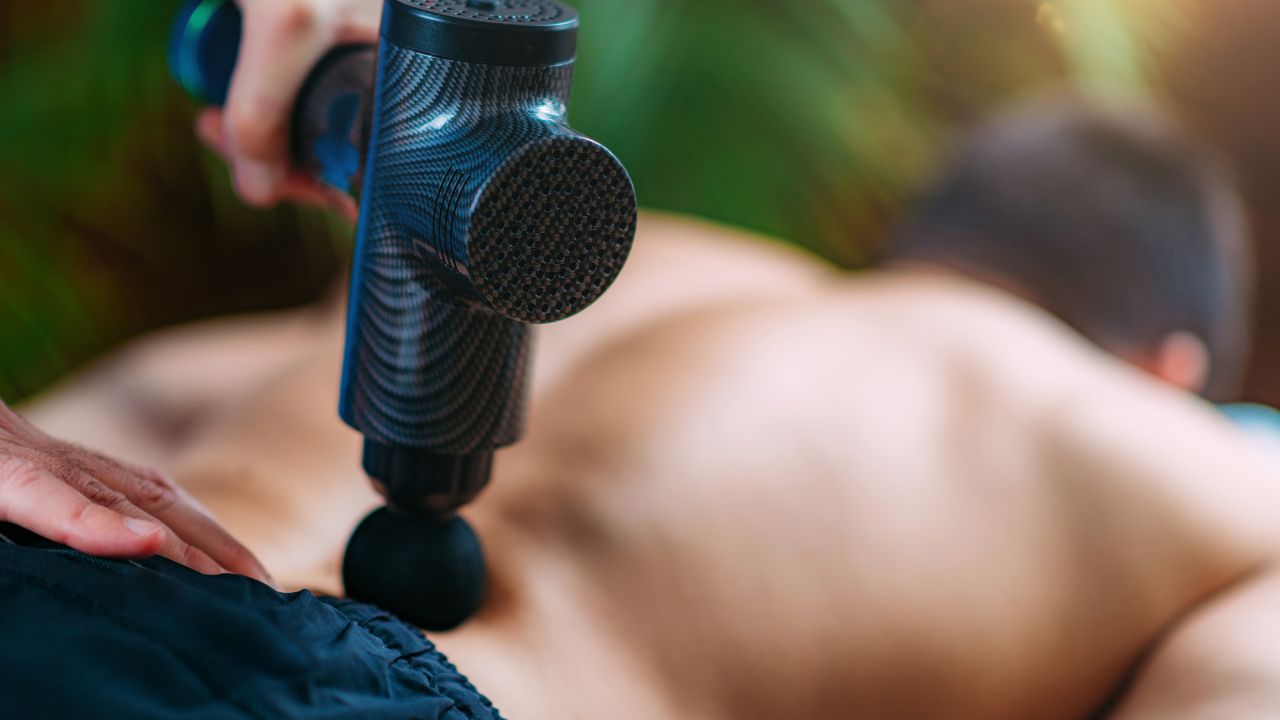
Massage guns are handheld devices that deliver rapid pulses of pressure to muscles, often called percussive therapy. Many people use them to ease tightness after activity. They don’t replace hands-on massage, but they can be a convenient part of a home routine.
Why Do Active People Use Them?
Many active people use a massage gun after workouts because it may help muscles feel looser and less sore. Research on these devices is still developing, so it’s best to think of them as a comfort tool rather than a fix. For real-world opinions, see what Reddit users say about massage guns and how they compare with professional care.
What Do People Like About Massage Guns?
- Quick comfort after activity: Many users say tight muscles feel looser after a short session.
- Convenience: You can use one at home, whenever it fits your day.
- Easier movement: Some people find it makes moving feel easier after a workout.
What Are the Risks and Limitations of Massage Guns?
Massage guns aren’t right for every situation. Knowing a few precautions helps you use them more comfortably.
When Should You Avoid a Massage Gun?
- Fresh injuries: Avoid using one on a new sprain, strain, or swollen area.
- Bones and joints: Keep it off bony areas and joints.
- Health conditions: If you have a condition such as a blood clot history, severe osteoporosis, or a bleeding disorder, check with your healthcare provider first.
How Can Improper Use Cause Discomfort?
- Bruising: Too much pressure can bruise soft tissue.
- More soreness: Overuse can leave you sorer instead of more comfortable.
- Irritation: Staying too long on a sensitive spot can be uncomfortable.
Follow the manufacturer’s instructions, start on a low setting, and avoid bony or swollen areas.
How Does a Massage With a Therapist Compare?
A device can only do so much on its own. A therapist can listen, adjust, and shape the session around you.
What Does a Therapist Add?
- Listening first: Your therapist asks how you feel and where you carry tension.
- Care designed around you: Pressure and focus areas are adjusted to your comfort as you go.
- Time to relax: A calm setting and time just for you, which a quick device session can’t offer.
When Might a Massage Be the Better Choice?
If you want to fully relax, or tension keeps coming back, many guests find a massage with a therapist more satisfying than a device. If you live with ongoing pain or an injury, talk with your healthcare provider first; massage is not a medical treatment.
When Should You Choose a Massage Gun Versus a Massage?
When a Massage Gun May Be Enough
- Minor tightness after a workout or a long day.
- A short warm-up before activity.
- Quick comfort between massage appointments.
When a Massage May Be the Better Fit
- When you want time to fully relax and unwind.
- When tension keeps returning and you want a session shaped around you.
- When everyday stress is building up.

How Can J Sterling’s Wellness Spa Winter Garden Support Your Recovery Routine?
At J Sterling’s Wellness Spa Winter Garden, every wellness journey is different, so each massage is shaped around what your body needs today.
Which Massage Experiences Do Active Guests Choose?
- Swedish Massage: Gentle, flowing strokes that promote relaxation.
- Deep Tissue Massage: Focused work on deeper muscle layers, often chosen for persistent tension.
- Sports Massage: Often chosen by active guests as part of their recovery routine.
Can a Massage Gun Be Part of Your Session?
Yes. We offer the Rapid Tension Relief Gun as a massage enhancement. Not every enhancement is right for every guest, so ask our team whether it fits your session. You can see current options on our Book My Experience page or call us at (321) 250-3777.
Frequently Asked Questions
Can massage guns be used on all muscle groups?
They’re usually used on larger muscles like the thighs, calves, glutes, and upper back. Avoid the front of the neck, the spine, joints, and any swollen area, and follow the device guidelines. If neck tension is the reason you are looking at one, see how the massage gun heads for neck tension relief compare.
How often should I use a massage gun?
Follow the manufacturer’s guidance and listen to your body. More isn’t always better.
How do I use a massage gun comfortably?
Start on a low setting, glide slowly over the muscle instead of staying in one spot, and avoid bones and joints.
What if it hurts?
Stop if you feel sharp or increasing pain. If pain continues or you think you’re injured, talk with your healthcare provider.
Can a massage gun replace stretching?
No. Many people use both as part of their routine.
When should I book a massage instead?
When you want time to fully relax, when tension keeps coming back, or when you’d like a session shaped around you. If you have ongoing pain, an injury, or a health condition, check with your healthcare provider first.
Conclusion
A massage gun can be a convenient tool for quick comfort after activity, used with care. When you want time to relax and a session shaped around you, a massage with a therapist offers something a device can’t. When you’re ready, Find Your Massage Experience.
Feel Better. Relax More.