
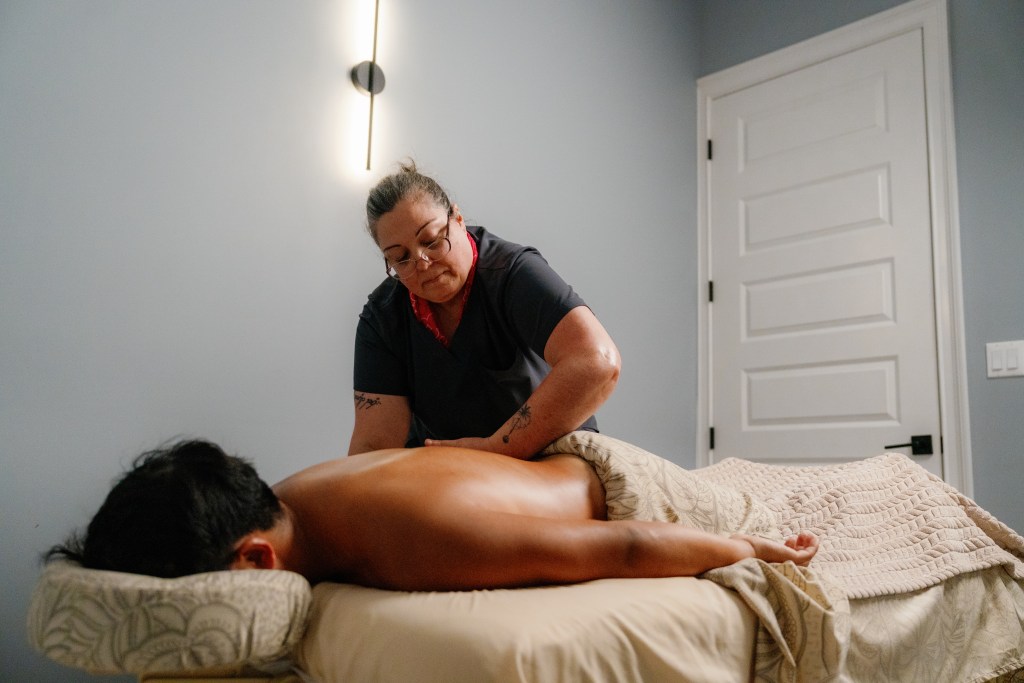
Massage therapy at a professional spa in winter garden supports recovery from injury and helps manage chronic pain by improving circulation, reducing muscle tension, and enhancing overall function. This guide reviews proven techniques—including deep tissue massage, myofascial release, and trigger point therapy—and explains how each works and the benefits clients can expect. Understanding these methods helps you choose an appropriate therapeutic approach for your goals and daily activities.
Key Takeaways
Massage Therapy Benefits
Massage therapy aids injury recovery and chronic pain relief through various specialized techniques. Deep tissue massage targets deeper muscle layers, reducing pain and promoting healing. Trigger point therapy addresses specific muscle points to alleviate tension and pain, while myofascial release improves mobility by releasing fascia tightness and enhancing circulation.
Additional Techniques
Sports massage prevents injuries and enhances performance by focusing on stressed body areas. Swedish massage promotes relaxation and circulation, beneficial for overall wellness. Choosing the right massage technique depends on health conditions and personal goals. Licensed estheticians customize massage plans based on individual health history and needs.
The best massage techniques for injury recovery and chronic pain relief include:
Several massage techniques have demonstrated effectiveness for injury recovery and chronic pain management. They are used alone or combined to match each client’s condition and goals.
Deep Tissue Massage
This technique focuses on realigning deeper layers of muscles and connective tissue, particularly beneficial for chronic aches and pains.
Trigger Point Therapy
Targets specific points within muscle tissue to relieve tension and pain, often used for persistent muscle pain.
Myofascial Release
Involves gentle sustained pressure to eliminate pain and restore motion by releasing tightness in the fascia.
Sports Massage
Designed for athletes, it helps prevent injuries and enhances performance by focusing on areas of the body that are overused and stressed from repetitive movements.
Swedish Massage
A more general technique that promotes relaxation and improves circulation, making it suitable for overall wellness.
These techniques are adaptable and can be tailored to an individual’s health profile and recovery objectives.
Which Massage Techniques Are Most Effective for Injury Recovery?
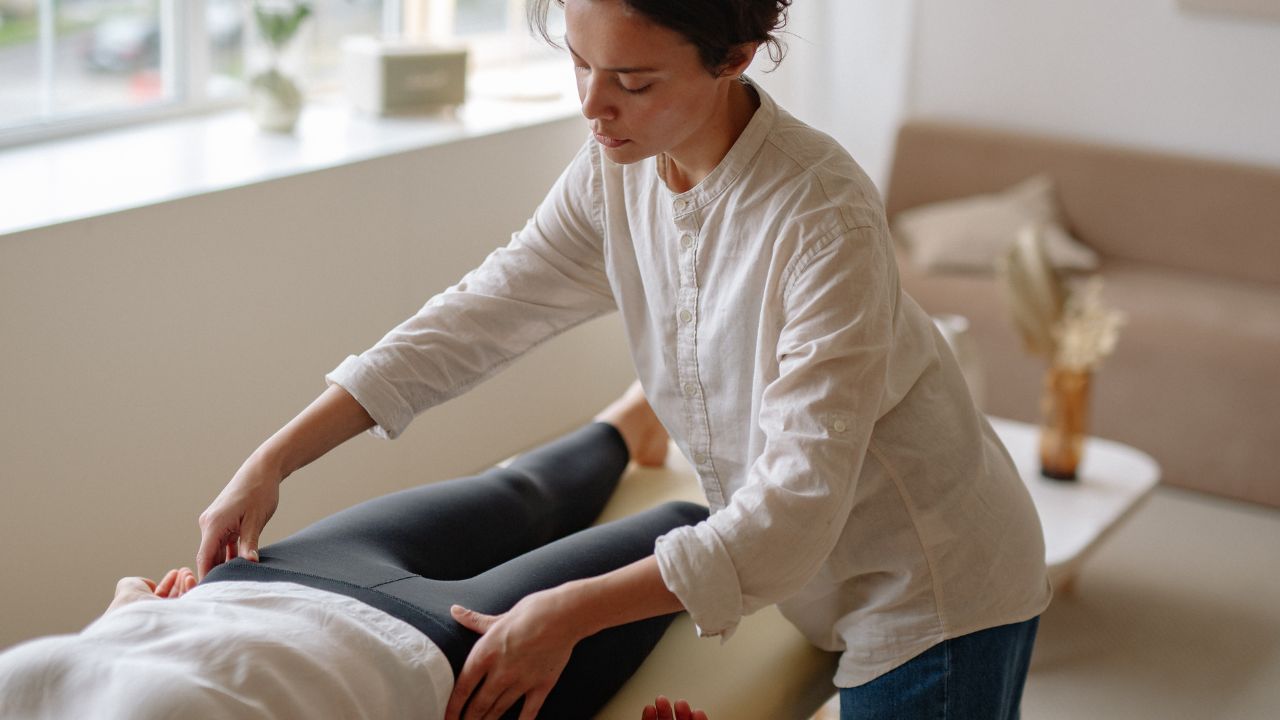
For injury recovery, deep tissue massage, trigger point therapy, and myofascial release are frequently recommended. Deep tissue work addresses adhesions and chronic tension. Trigger point therapy treats focal pain that can refer to other areas. Myofascial release restores mobility by reducing fascia restrictions. Sports massage adds targeted care for athletes to both aid recovery and reduce future risk.
How Does Deep Tissue Massage Support Muscle Healing and Recovery?
Deep tissue massage uses firm, focused pressure on the deeper muscle and connective tissue layers to break down adhesions and scar tissue. This improves local blood flow and oxygen delivery, which can reduce pain and increase range of motion. Applied correctly, it helps release chronic tension and supports a faster, more functional recovery.
Recent research examines deep tissue massage’s role in enhancing muscle recovery and performance, particularly in athletic populations.
Deep Tissue Massage for Muscle Recovery & Performance
Deep tissue massage has been used in sports for improving performance and recovery on deep muscle layers. This study looks at its effectiveness across different sports, performance, and recovery.
Deep tissue massage therapy: Effects on muscle recovery and performance in athletes, D Arsovski, 2025
What Role Does Myofascial Release Play in Enhancing Injury Rehabilitation?
Myofascial release targets the fascia—the connective tissue around muscles and organs—using sustained, gentle pressure to reduce tightness. This approach improves circulation, decreases pain, and restores functional movement. It is particularly useful for addressing restrictions that limit mobility during rehabilitation.
Evidence indicates myofascial release techniques effectively promote muscle relaxation and restore range of motion, especially for athletes recovering from intense activity or injury.
Myofascial Release for Muscle Relaxation & Injury Recovery
The results of using MFR manual techniques in the training process of qualified football players are as follows: relaxation of chronically tense muscles, recovery of mobility and normal amplitude of motion in the joints, improvement of the elastic properties of the muscular and ligament structures of the musculoskeletal system of football players, functional recovery of the musculoskeletal system of football players after excessive physical exertion and injuries.
Myofascial release as a means of injury prevention and recovery of the amplitude of movements in qualified football players, ЕЮ Дорошенко, 2023
How Can Massage Therapy Alleviate Chronic Pain?
Massage reduces chronic pain by decreasing muscle tension, improving circulation, and lowering inflammation in affected areas. It also stimulates endorphin release, which reduces pain perception and improves mood. Regular treatment can increase flexibility and range of motion, making daily activities more comfortable.
At J Sterling’s Wellness Spa, we provide therapeutic massage options—including deep tissue massage, myofascial release, and trigger point therapy—tailored to individual needs to support recovery and long-term pain management.
What Benefits Does Trigger Point Therapy Offer for Persistent Muscle Pain?
Trigger point therapy focuses on specific tight areas within muscles that often refer pain elsewhere. Applying targeted pressure releases these points, reducing local tension and easing referred pain. The technique improves muscle function and can complement other therapies for chronic pain.
Research underscores the role of trigger points in chronic pain, supporting the targeted approach used in this therapy.
Trigger Points: A Primary Factor in Chronic Pain
Trigger points are often a primary factor in the onset of chronic pain, necessitating targeted treatment strategies to mitigate their effects (2).
Advancing musculoskeletal diagnosis and therapy: a comprehensive review of trigger point theory and muscle pain patterns, 2024
Key Outcomes of Trigger Point Therapy
Trigger point therapy offers targeted pain relief by directly addressing the source of pain, providing immediate relief. It helps release muscle tension, improving overall comfort, and enhances flexibility by relieving tension, which can improve range of motion. These outcomes make it a practical option for managing persistent muscle pain.
How Does Swedish Massage Promote Relaxation and Pain Reduction?
Swedish massage uses long, flowing strokes, kneading, and circular movements on superficial muscle layers to enhance circulation and reduce tension. Its gentle approach supports relaxation, lowers stress, and aids recovery from everyday muscle soreness.
Benefits of Swedish Massage
Improved circulation helps reduce muscle soreness and promote healing. Muscle relaxation eases tension, leading to a greater sense of relaxation. Additionally, the calming nature of Swedish massage helps lower stress levels, contributing to overall well-being. Regular Swedish massage can deliver both physical relief and improved mental wellbeing when included in a wellness plan.
What Are the Key Benefits of Sports Massage for Recovery and Performance?
Sports massage targets overused and stressed areas to prevent injury, speed recovery, and maintain flexibility. Its techniques are tailored to athletes’ training cycles and can be integrated into a comprehensive performance plan.
Sports Massage Advantages
Regular sports massage can help identify and address potential issues before they lead to injury, improving injury prevention. It accelerates recovery by enhancing circulation and reducing muscle soreness after intense physical activity. Additionally, it helps maintain and improve flexibility, which is crucial for optimal performance. Incorporating sports massage into training supports consistent performance and lowers injury risk.
How Does Sports Massage Aid in Preventing and Treating Sports Injuries?
Sports massage addresses muscle tension, circulation, and flexibility to reduce strain and the risk of sprains. For injured athletes, it promotes blood flow, reduces inflammation, and supports tissue repair as part of a coordinated rehabilitation plan.
When Should You Schedule Sports Massage Sessions for Optimal Results?
Timing sports massage strategically enhances its benefits. Sessions scheduled around events and for regular maintenance support both performance and recovery.
Recommended Timing for Sports Massage
Schedule a session 24-48 hours before a competition to prepare muscles and enhance performance. A session within 24 hours after an event can help reduce soreness and speed up recovery. For ongoing benefits, consider bi-weekly or monthly sessions to maintain muscle health and prevent injuries. Following these timing guidelines helps athletes extract maximum value from sports massage.
How to Choose the Right Therapeutic Massage for Your Condition?
Select a therapeutic massage by defining your primary goal—pain relief, relaxation, or injury recovery—then consider any medical factors that affect treatment. A consultation with a licensed massage therapist or licensed esthetician will clarify which techniques and pressure levels suit your needs.
What Factors Should Influence Your Massage Technique Selection?
Several factors should influence your selection of massage techniques. These include health conditions, goals for the massage, and personal preferences. Certain conditions may require specific techniques, such as deep tissue for chronic pain or Swedish for relaxation. Determine whether your primary goal is pain relief, relaxation, or recovery. Also, consider your comfort level with different techniques and pressure levels. Evaluating health status, treatment goals, and personal comfort ensures you choose the most appropriate technique.
How Do Licensed Estheticians Customize Massage Plans for Individual Needs?
Licensed estheticians conduct an initial consultation to review health history, pain areas, and recovery goals. They then tailor technique selection and pressure to deliver safe, effective care that aligns with each client’s objectives and comfort.
What Are the Booking and Pricing Options at J Sterling’s Wellness Spa?
J Sterling’s Wellness Spa offers a range of therapeutic massage services with clear pricing for each option to help you choose the right session length and modality for your needs.
Massage Pricing
Swedish Massage is available for $79 for 1 hour and $118 for 90 minutes. Deep Tissue Massage costs $89 for 1 hour and $133 for 90 minutes. Hot Stone Massage is priced at $95 for 1 hour and $142 for 90 minutes. The Signature Combo Massage is offered at $85 for 1 hour and $127 for 90 minutes.
Clients can schedule appointments online or by phone at (321) 250-3777. We offer flexible options to accommodate your availability.
How Can You Schedule a Massage Session for Injury Recovery or Pain Relief?
Scheduling is straightforward: use our massage in winter gardenor call (321) 250-3777 to speak with a team member who will help you select the appropriate service and time. Early booking is recommended to begin your recovery plan promptly.
What Gift Card Options Are Available for Massage Services?
We offer gift cards for specific treatments or set monetary values, plus eGift cards for easy online delivery. Gift cards provide a convenient way to share therapeutic massage with family or colleagues.
Frequently Asked Questions
What should I expect during my first massage therapy session?
Expect a thorough consultation covering medical history, pain areas, and your goals. The therapist will explain the chosen techniques, confirm your preferred pressure, and provide a 60- to 90-minute session designed for both assessment and treatment.
How often should I receive massage therapy for chronic pain relief?
Frequency depends on your condition. A common protocol is weekly sessions for the first month to assess response, then moving to bi-weekly or monthly maintenance based on progress and symptom control.
Are there any contraindications for massage therapy?
Yes. Individuals with severe osteoporosis, recent fractures, active infections, open wounds, or serious cardiovascular issues should consult a healthcare provider before receiving massage. Always disclose health concerns to your therapist for a safe treatment plan.
Can massage therapy be combined with other treatments?
Yes. Massage can complement physical therapy, chiropractic care, or acupuncture to address multiple aspects of recovery. Coordinate with all providers to ensure treatments are aligned and safe.
What should I wear to a massage therapy session?
Wear comfortable, loose clothing. Therapists provide sheets or towels for draping; many clients prefer to undress to their comfort level. Choose breathable fabrics if you plan to remain clothed.
How can I enhance the benefits of my massage therapy sessions?
Stay hydrated before and after sessions, perform gentle stretching, and maintain light exercise to preserve flexibility. Relaxation practices such as deep breathing or meditation can also extend the session’s benefits.
What are the signs that I should seek massage therapy?
Consider massage for persistent muscle tension, chronic pain, limited mobility, frequent headaches, stress, or recovery from injury. If unsure, consult a healthcare professional to confirm suitability.
Conclusion
Effective massage techniques—applied through personalized care—can accelerate injury recovery and reduce chronic pain while improving physical function and mental wellbeing. Understanding options like deep tissue, myofascial release, and trigger point therapy helps you make informed choices. Schedule a session at J Sterling’s Wellness Spa to start a tailored recovery plan.