
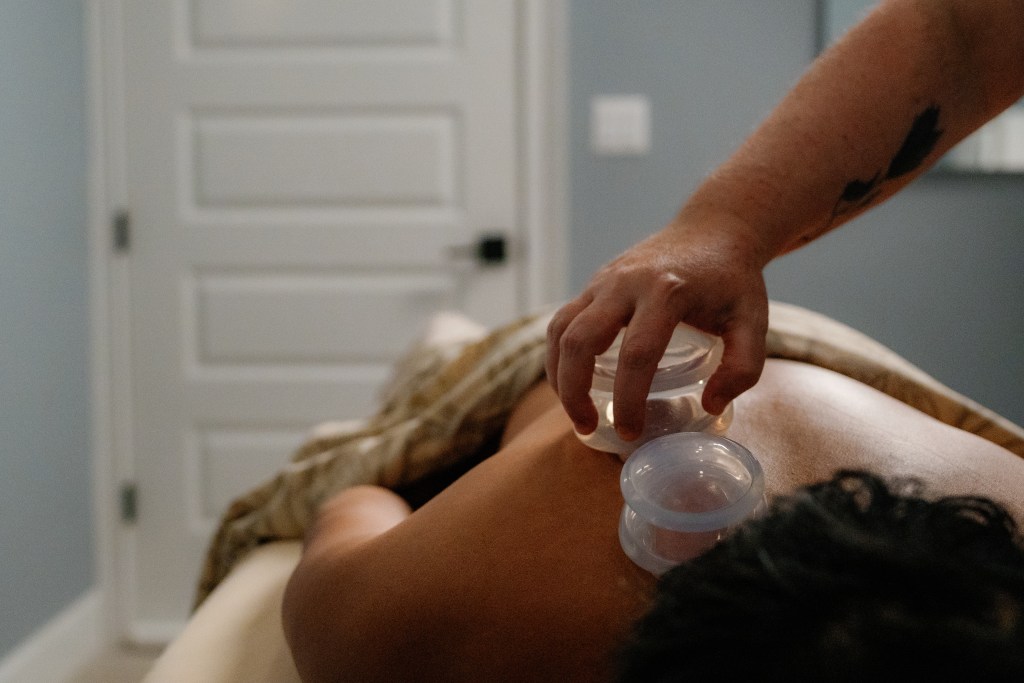
Massage therapy at our spa in winter garden is an effective, non-invasive approach to support muscle recovery and reduce pain. By working the body’s soft tissues, massage improves circulation, releases muscle tension, and supports the natural healing process. This article reviews the benefits of massage, the evidence behind its use, and the specific techniques that aid recovery from soreness and injury. Many people experience pain and limited mobility; massage provides a natural option to address these issues. We outline key benefits, therapeutic techniques, and the affordable services available at massage in winter gardenin Winter Garden.
Research supports these foundational benefits, demonstrating measurable effects on physiological and biomechanical function.
Massage Benefits: Blood Flow, Muscle Tension, & Range of Motion
Many coaches, athletes and sports medicine personnel observe that massage can increase blood flow, reduce muscle tension and neurological excitability, and enhance well-being. Mechanical pressure from massage is expected to increase muscle compliance, which can increase joint range of motion and decrease passive and active stiffness (biomechanical mechanisms).
The mechanisms of massage and effects on performance, muscle recovery and injury prevention, PA Hume, 2005
Benefits of Massage Therapy
Massage therapy enhances muscle recovery by improving blood circulation and reducing muscle tension. Scientific studies support its effectiveness in reducing chronic pain and improving mobility. Deep tissue and sports massages offer targeted pain relief and improve flexibility and range of motion, while relaxation and trigger point massages help alleviate muscle tension and promote faster recovery. Therapeutic massage also stimulates endorphin release, enhancing mood and reducing discomfort. Regular sessions can prevent injuries and manage chronic pain effectively.
Services at J Sterling’s Wellness Spa
Our massage in winter garden spa provides affordable massage services tailored to individual recovery needs. Gift cards for massage services offer flexibility and encourage self-care without expiration concerns.

What Are the Key Benefits of Massage Therapy for Muscle Recovery?
Massage therapy offers several clinically relevant benefits that support muscle recovery. These include effective pain relief by alleviating muscle soreness and discomfort, improved flexibility which is crucial for overall physical performance, enhanced circulation that promotes the delivery of oxygen and nutrients to muscles facilitating healing, and stress relief by reducing anxiety that can contribute to muscle tension and pain. These effects make massage a valuable component of a recovery programme. For those seeking professional services, J Sterling’s Wellness Spa offers a range of targeted massage therapies tailored to individual needs.
How Does Massage Therapy Improve Muscle Tone and Reduce Soreness?
Massage improves muscle tone and reduces soreness by increasing circulation, aiding removal of metabolic byproducts such as lactic acid, and promoting muscle relaxation to relieve stiffness. Clients commonly report reduced soreness and improved tone after treatment.
What Scientific Evidence Supports Massage for Pain Relief and Healing?
Multiple scientific studies support massage’s role in pain relief and healing. Research shows massage can reduce chronic pain, improve mobility, and lower stress hormones that can hinder recovery. For example, a study in the Journal of Pain Research found patients receiving regular massage reported lower pain and better physical function than those who did not. This evidence supports integrating massage therapy into treatment plans for muscle pain and discomfort. Additional clinical evidence reinforces the efficacy of therapeutic massage for certain pain conditions.
Therapeutic Massage for Musculoskeletal Pain: Clinical Evidence
Eleven studies examined patients with musculoskeletal pain, including three of seven studies that focused on low back pain.
The clinical effectiveness of therapeutic massage for musculoskeletal pain: a systematic review, MI Johnson, 2006
Which Therapeutic Massage Techniques Best Target Muscle Pain?
Deep Tissue Massage
This technique focuses on the deeper layers of muscle tissue, helping to relieve chronic pain and tension.
Trigger Point Therapy
By targeting specific “trigger points” in the muscles, this technique alleviates localized pain and discomfort.
Neuromuscular Therapy
This method addresses muscle imbalances and dysfunctions, promoting overall muscle health and recovery.
Each technique delivers targeted benefits, making them useful options for individuals seeking relief from muscle pain.
What Are the Advantages of Deep Tissue and Sports Massage Therapies?
Deep tissue and sports massage offer specific advantages for muscle recovery. Both techniques focus on specific muscle groups, allowing for targeted treatment of pain and tension. They enhance flexibility and range of motion, which are essential for athletic performance and daily activities. Regular sessions can help identify and address potential issues before they lead to injuries, making them ideal for athletes and active individuals. These advantages support incorporating specialized massage therapies into recovery routines.
How Do Relaxation and Trigger Point Massages Aid Muscle Recovery?
Relaxation and trigger point massage reduce tension and support muscle recovery by promoting relaxation and easing tight muscles. Relaxation techniques help calm the nervous system, reducing stress and anxiety that can contribute to muscle tightness. Trigger point release involves applying pressure to specific points to alleviate localized pain and restore normal muscle function. Combined, these techniques enhance the recovery process and help clients return to activities more comfortably and quickly.
How Does Massage Therapy Accelerate Healing and Muscle Recovery?
Massage accelerates healing and muscle recovery through measurable physiological processes. By relaxing tight muscles, massage therapy helps restore normal function and reduces the risk of injury. Enhanced blood flow delivers essential nutrients and oxygen to the muscles, promoting faster healing. Regular massage can also help manage chronic pain conditions, allowing individuals to engage in physical activity more comfortably. These mechanisms demonstrate how massage therapy serves as an effective tool to enhance recovery and overall well-being.
What Physiological Processes Are Enhanced by Therapeutic Massage?
Therapeutic massage positively affects several physiological processes that support muscle recovery. It stimulates blood flow, which is essential for delivering nutrients and oxygen to muscles. By alleviating tightness, massage helps restore normal muscle function and flexibility. Additionally, massage promotes the release of endorphins, the body’s natural painkillers, which can enhance mood and reduce discomfort. These improvements underscore the role of therapeutic massage in supporting muscle recovery and overall health.
How Often Should You Schedule Massage Sessions for Optimal Results?
Optimal frequency depends on individual needs, activity level, and recovery goals. For general wellness, scheduling a massage every 4-6 weeks can help maintain muscle health and relaxation. Those with chronic pain may benefit from more frequent sessions, such as once a week or bi-weekly, to manage symptoms effectively. It’s essential to tailor the frequency of sessions to individual needs, activity levels, and recovery goals. Following these guidelines helps clients maximise the benefits of massage therapy in their recovery routines.
What Affordable Massage Services Are Available at J Sterling’s Wellness Spa in Winter Garden?
Our spa in winter garden provides a selection of affordable massage services designed for muscle recovery and pain relief. These include Swedish Massage, Deep Tissue Massage, Hot Stone Massage, Couples Massage, and Prenatal Massage. Prices range from $75 to $180 depending on the type and duration of the session. These options offer accessible, professional care to support wellness and recovery.
Who Are the Licensed Professionals Delivering Expert Massage Therapy?
Clients at J Sterling’s Wellness Spa are treated by licensed professionals committed to delivering high-quality massage therapy. All therapists are certified and trained in various massage techniques, ensuring a comprehensive understanding of muscle recovery. The team has extensive experience in treating a wide range of conditions, from sports injuries to chronic pain. Therapists prioritize client comfort and satisfaction, tailoring each session to meet individual needs. This professional commitment ensures clients receive informed, client-centered care during their massage sessions.
What Are the Pricing Options and Booking Procedures for Muscle Recovery Massages?
J Sterling’s Wellness Spa provides clear pricing and straightforward booking procedures for muscle recovery massages. Pricing varies by massage type, including Swedish Massage ($75 – $85 for 1 hour), Deep Tissue Massage ($90 for 1 hour), Hot Stone Massage ($110 for 1 hour), Sports Massage ($95 for 1 hour, $142 for 90 minutes), and Lymphatic Massage ($115 for 1 hour, $172 for 90 minutes). Clients can easily schedule appointments by calling the spa or visiting the website to book online. These accessible options make it easy to prioritize muscle recovery and overall wellness.
How Can Massage Therapy Gift Cards Enhance Your Wellness Routine?
Massage gift cards provide a flexible and thoughtful way to support wellness routines. They allow recipients to choose the type of massage that best suits their needs and preferences, encouraging loved ones to prioritize their health and well-being. Additionally, gift cards have no expiration, so clients can use them at their convenience, making them a practical gift option. These features make gift cards a practical addition to any wellness plan.
What Are the Benefits of Purchasing Gift Cards for Massage Services?
Buying gift cards for massage services offers practical advantages for both givers and recipients. Digital gift cards can be easily sent and redeemed, making them a hassle-free gifting option. They can be tailored to individual preferences, ensuring a meaningful gift, and clients can enjoy the full value of their gift card without worrying about additional costs. These advantages underscore gift cards’ role in promoting self-care and ongoing wellness.

How to Redeem and Schedule Appointments Using Gift Cards?
Redeeming and scheduling appointments with massage gift cards is straightforward and user-friendly. Gift cards can be purchased online or at the spa, providing flexibility for buyers. Recipients can easily schedule their appointments by calling the spa or using the online booking system. During the appointment, clients can present their gift card to cover the cost of the service. This simple process ensures that clients can enjoy their massage therapy experience without complications.
Frequently Asked Questions
What should I expect during my first massage therapy session?
Expect an initial consultation that covers your medical history, areas of concern, and goals for the session. The therapist will explain the planned techniques and confirm your comfort. Sessions typically last 60 to 90 minutes and are tailored to your needs.
Are there any contraindications for massage therapy?
Certain conditions may contraindicate massage. Clients with severe osteoporosis, recent fractures, active infections, fever, or some skin conditions should consult a healthcare provider before receiving massage. Always disclose health concerns to your therapist to ensure safe, effective care.
How can I prepare for a massage therapy session?
Arrive a few minutes early to complete any paperwork and discuss your needs. Wear comfortable clothing and stay hydrated. Avoid heavy meals or alcohol immediately before the session. Clear communication with your therapist helps tailor the treatment.
Can massage therapy help with stress management?
Massage therapy is effective for stress management. It reduces muscle tension and promotes endorphin release. Regular sessions can lower cortisol levels, improve mental clarity, and support emotional well-being. Incorporating massage into a self-care routine can improve resilience to daily stressors.
What should I do after a massage therapy session?
After a session, drink plenty of water to support recovery and remove metabolic byproducts. Rest if you feel tired and avoid strenuous activity for the remainder of the day. Apply heat or ice to sore areas as advised and follow any aftercare recommendations from your therapist.
How do I choose the right type of massage for my needs?
Choose based on your goals: Swedish massage for relaxation, deep tissue or trigger point therapy for chronic pain or tightness, and sports massage for athletic performance and injury prevention. Consult with a licensed therapist to determine the best approach for your circumstances.
Conclusion
Massage supports muscle recovery and pain relief by improving circulation, reducing tension, and increasing flexibility. The scientific evidence for its effectiveness reinforces its value in wellness plans. To experience these benefits, consider scheduling a session at our spa in winter garden near me and prioritise your health by exploring our range of massage services.