
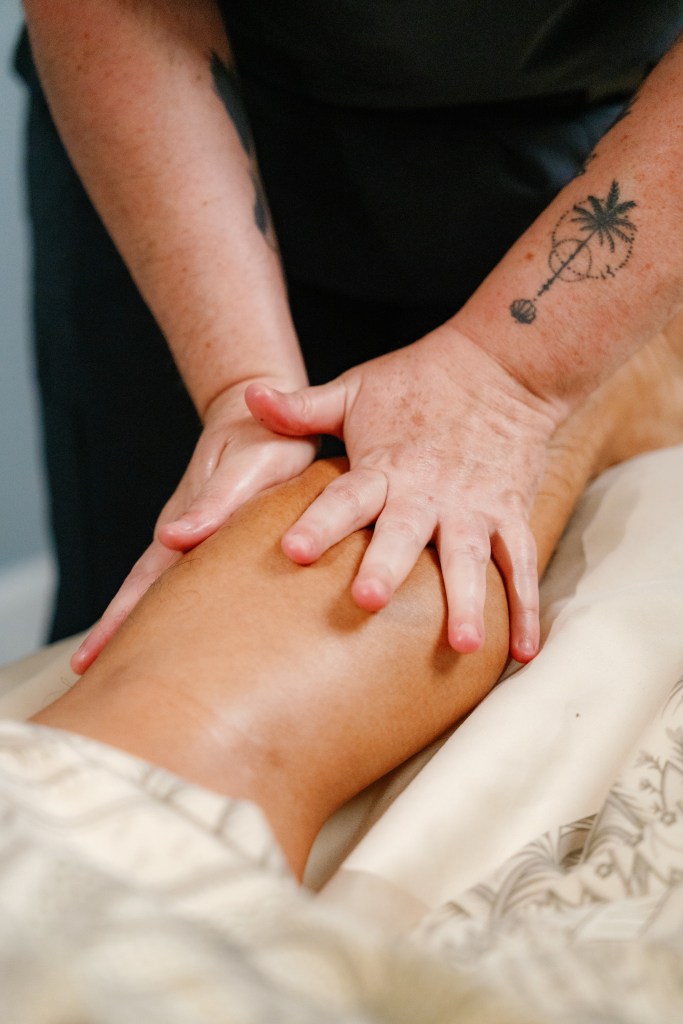
Deep tissue massage at a professional spa in winter garden is a targeted therapeutic approach that addresses the deeper layers of muscle and connective tissue. It is effective at reducing chronic pain and persistent muscle tension and helps clients manage stress and discomfort. This article explains the benefits of deep tissue massage, how the treatment works, and what to expect during a session. With a clear understanding of the technique and its advantages, you can make informed choices about your massage in winter garden.
The sections below define deep tissue techniques, outline health benefits, and provide practical details for receiving treatment at our massage in winter garden spa. Whether you have muscle tension or seek improved overall wellbeing, deep tissue massage is a valuable addition to your self-care routine.
Key Takeaways
- Deep tissue massage targets deeper muscle layers to relieve chronic pain and tension.
- Techniques include cross-fiber friction, trigger point therapy, and myofascial release.
- Licensed therapists ensure safety through client communication and proper techniques.
- Benefits include pain relief, stress reduction, and enhanced mobility.
- Regular sessions improve mood, sleep quality, and energy levels.
- Ideal for chronic pain sufferers, athletes, and those seeking stress relief.
- Contraindications include high-risk medical conditions and acute injuries.
- J Sterling’s Wellness Spa offers personalized deep tissue massage services.
What Is Deep Tissue Massage and How Does It Work?
Deep tissue massage targets the body’s deeper muscle and fascial layers using sustained pressure and slow strokes. This approach releases chronic muscle tension and reduces pain by manipulating muscle fibers and connective tissue to break down adhesions and improve circulation. The process promotes relaxation and supports the body’s natural healing.
The targeted pressure used during treatment can help mobilize metabolic buildup in the muscles, which may contribute to improved overall health and wellbeing.
Understanding Deep Tissue Massage Techniques and Muscle Targeting
Common Methods Used by Practitioners
Practitioners use several techniques to target specific muscle groups and relieve tension. These methods allow therapists to address specific discomforts, making deep tissue massage a highly personalized treatment. Understanding them helps clients communicate preferences and treatment goals to their massage therapist.
Cross-Fiber Friction
This technique involves applying pressure across the muscle fibers to break down adhesions and improve flexibility.
Trigger Point Therapy
By focusing on specific points of tension, therapists can release tight knots in the muscles, providing immediate relief.
Myofascial Release
This technique targets the fascia, the connective tissue surrounding muscles, to enhance mobility and reduce pain.
How Licensed Massage Therapists Perform Deep Tissue Massage Safely
Licensed massage therapists perform a thorough assessment at the start of each session to identify needs and areas of concern. This evaluation enables the therapist to tailor the massage to the client’s specific requirements.
Key safety practices include:
- Client Communication : Therapists encourage open dialogue with clients to ensure comfort levels are maintained throughout the session.
- Proper Techniques : Licensed therapists utilize techniques that minimize the risk of injury while maximizing therapeutic benefits.
- Post-Massage Care : After the session, therapists often provide recommendations for self-care, such as hydration and gentle stretching, to enhance the benefits of the massage.
Adhering to these standards helps ensure clients receive the full therapeutic benefit of their deep tissue massage.
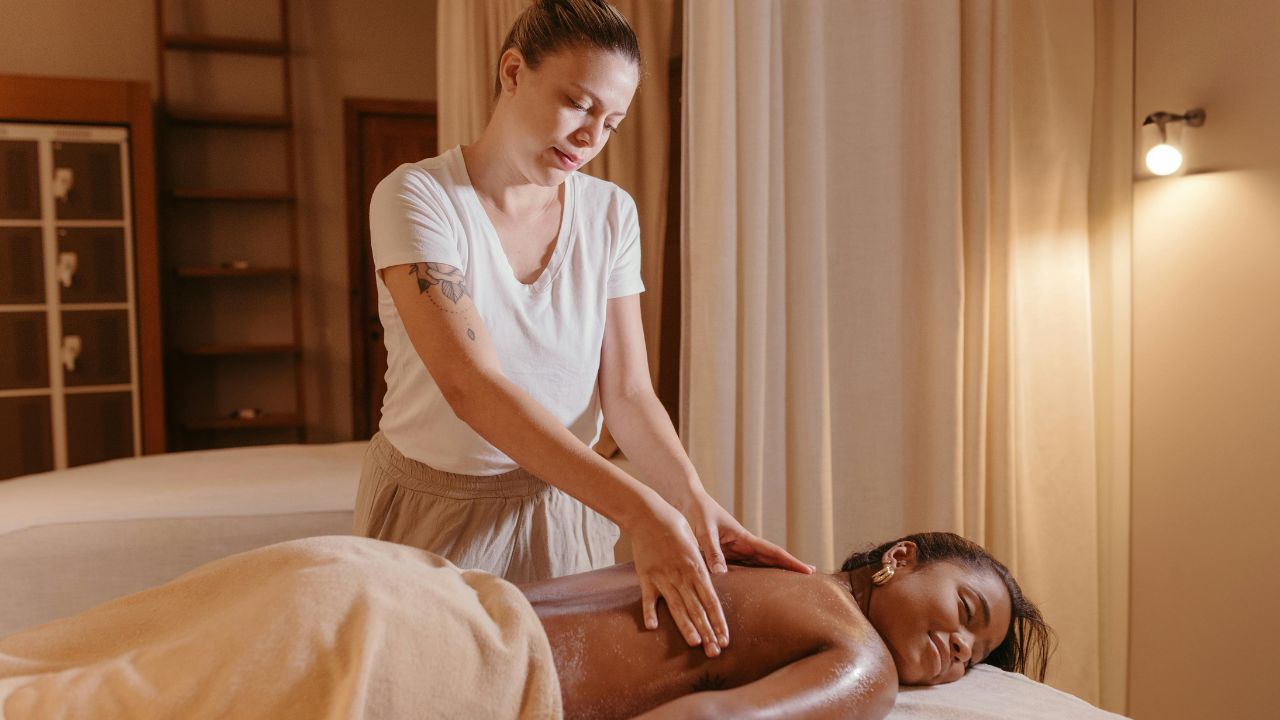
What Are the Key Health Benefits of Deep Tissue Massage?
Deep tissue massage delivers several health benefits that support physical and mental wellbeing. Key advantages include:
Pain Relief
Deep tissue massage effectively reduces chronic pain and muscle tension, making it an excellent option for individuals suffering from conditions such as fibromyalgia or arthritis.
Stress Reduction
The relaxation induced by deep tissue massage promotes a sense of calm and can help alleviate anxiety and stress.
Enhanced Mobility
By breaking down adhesions and improving flexibility, deep tissue massage can increase range of motion and overall physical performance.
These outcomes demonstrate the value of incorporating deep tissue massage into a regular wellness routine. For those in the Winter Garden and Orlando area, J Sterling’s Wellness Spa specializes in providing high-quality deep tissue massage services tailored to individual needs.
How Deep Tissue Massage Provides Effective Pain Relief and Muscle Relaxation
Deep tissue massage reduces pain by manipulating muscle layers with sustained pressure, releasing tension and diminishing discomfort. The technique addresses root causes of chronic tension rather than only treating symptoms.
It also increases blood flow to treated areas, delivering oxygen and nutrients that support recovery, relaxation, and tissue repair.
Mental and Physical Wellness Outcomes from Regular Sessions
Regular deep tissue massage sessions produce measurable improvements in both mental and physical wellness. Consistent treatment can result in:
Improved Mood through the release of endorphins during massage, enhancing feelings of happiness.
Better Sleep Quality as many clients report improved sleep patterns following regular massage sessions, with relaxation techniques helping to calm the mind and body.
Increased Energy Levels by reducing muscle tension and promoting relaxation, leading to higher energy and improved vitality.
Together, these effects highlight deep tissue massage as a valuable component of a comprehensive wellness plan.
Who Should Consider Deep Tissue Massage and Are There Any Precautions?
Deep tissue massage is appropriate for many people, particularly those with chronic pain, persistent muscle tension, or elevated stress. Certain precautions should be reviewed before treatment.
Ideal candidates for deep tissue massage include:
Chronic Pain Sufferers
Individuals with ongoing pain conditions can benefit from targeted relief.
Athletes
Those engaged in regular physical activity may find deep tissue massage helpful for recovery and injury prevention.
Individuals Seeking Stress Relief
Deep tissue massage can be an effective tool for managing stress and promoting relaxation.
Clients with medical concerns such as blood clotting disorders or severe osteoporosis should consult their healthcare provider before receiving deep tissue massage. Always disclose relevant health information to your therapist prior to the session.
Identifying Ideal Candidates for Deep Tissue Massage Therapy
Determining who benefits from deep tissue massage involves assessing individual needs and conditions. Typical candidates include:
Individuals with Chronic Muscle Tension who experience persistent tightness in specific muscle groups can find relief through targeted massage.
Athletes and Active Individuals who experience muscle soreness from regular physical activity may use deep tissue massage as an effective recovery tool.
People Under Stress where high-stress levels manifest physically, and deep tissue massage can help alleviate both mental and physical tension.
Research also supports the role of deep tissue massage in athletic recovery and performance.
Deep Tissue Massage for Athlete Muscle Recovery & Performance
Deep tissue massage is used in sports to improve performance and recovery by working the deeper muscle layers. This study examines its effectiveness across different sports, performance, and recovery.
Deep tissue massage therapy: Effects on muscle recovery and performance in athletes, D Arsovski, 2025
Therapists who recognise these client characteristics can better tailor treatments to meet individual needs.
When to Avoid Deep Tissue Massage: Contraindications and Safety Guidelines
Although deep tissue massage benefits many clients, it is not suitable for everyone. Avoid the treatment if you have:
High-Risk Medical Conditions such as blood clots, severe osteoporosis, or recent surgeries may require caution.
Skin Conditions including open wounds, rashes, or infections should be addressed before receiving massage therapy.
Acute Injuries where recent injuries may require a different approach to treatment, and clients should consult with a healthcare provider.
Communicating any health concerns with your therapist is essential to ensure a safe and effective massage experience.
What to Expect During Your Deep Tissue Massage Session at J Sterling’s Wellness Spa?
At J Sterling’s Wellness Spa, you will find a professional, calming environment during your deep tissue massage session. A typical experience includes:
Initial Consultation where clients discuss their specific needs and any areas of concern with the therapist.
Customized Treatment with the therapist tailoring the massage techniques to address the client’s unique requirements.
Post-Massage Feedback encouraging clients to provide feedback and discuss any areas that may require further attention.
This personalized approach ensures each client receives the most effective care possible.
Step-by-Step Overview of a Typical Deep Tissue Massage Appointment
Arrival and Consultation : Clients arrive and complete a brief consultation to discuss their needs and preferences.Massage Techniques Used : The therapist employs various techniques, such as cross-fiber friction and trigger point therapy, to target specific areas of tension.Post-Session Feedback : After the massage, clients are encouraged to share their experiences and any areas that may need further attention.
This structured process helps clients relax and ensures they receive high-quality care.
How Our Professional Therapists Ensure a Comfortable and Effective Experience
The professional therapists at J Sterling’s Wellness Spa prioritize client comfort and satisfaction during every deep tissue massage session. Key practices include:
Personalized Treatment Plans where therapists create individualized plans based on client needs and preferences.
Open Communication encouraging clients to communicate their comfort levels and any specific areas of concern throughout the session.
Calm Environment with the spa providing a tranquil atmosphere that enhances relaxation and promotes a positive experience.
These practices create a comfortable and effective treatment environment, allowing clients to fully benefit from their massage.
How Can You Book Deep Tissue Massage Services and Purchase Gift Cards at J Sterling’s Wellness Spa?
Booking a deep tissue massage at J Sterling’s Wellness Spa is straightforward and convenient. Clients may choose from several options:
Phone Booking by calling (321) 250-3777 to schedule an appointment directly with our staff.
Online Booking by visiting our website to book appointments at your convenience.
Gift Card Options are available for purchase, allowing you to share the benefits of professional massage therapy with friends and family.
Sessions are priced at $89 for a one-hour appointment and $133 for a 90-minute appointment, making professional spa in winter garden deep tissue massage accessible for those seeking relief and relaxation.
Online Appointment Booking Process for Convenient Scheduling
Visit the Website : Navigate to the booking section of our website.
Select Service : Choose the deep tissue massage service and preferred date and time.
Confirm Appointment : Complete the booking by providing necessary information and confirming the appointment.
This streamlined process makes scheduling your massage sessions simple and convenient.

Gift Card Options: Sharing the Benefits of Professional Massage Therapy
J Sterling’s Wellness Spa offers gift cards for specific services or for a monetary value so recipients can select their preferred treatment.
These gift cards are suitable for birthdays, holidays, or special occasions and give loved ones the opportunity to experience the relaxation and relief that deep tissue massage offers.
Choosing a gift card from J Sterling’s Wellness Spa provides the gift of wellness and self-care, making it a thoughtful and meaningful gesture.
Frequently Asked Questions
What should I wear during a deep tissue massage session?
Wear comfortable clothing that allows for easy movement. Many clients undress to their comfort level while therapists use sheets or towels to drape and expose only the areas being worked on. If you prefer to keep clothing on, choose loose-fitting items and tell your therapist your preference to ensure a comfortable experience.
How often should I schedule deep tissue massage sessions?
Frequency depends on individual needs and goals. For chronic pain or muscle tension, weekly sessions can be helpful at first, then move to biweekly or monthly maintenance as symptoms improve. Athletes or those with high physical demands may benefit from more frequent treatments. Consult your therapist to develop a personalized schedule that fits your objectives and lifestyle.
Can deep tissue massage help with anxiety and depression?
Deep tissue massage can support clients with anxiety and depression by promoting relaxation, reducing muscle tension, and stimulating endorphin release to enhance mood. Regular sessions may contribute to improved mental wellbeing, but massage should be considered a complementary approach alongside other therapeutic treatments.
Are there any specific aftercare tips following a deep tissue massage?
After a deep tissue massage, hydrate to help clear metabolic byproducts and support recovery. Gentle stretching can maintain flexibility and reduce soreness. Rest and avoid strenuous activity for the remainder of the day. Your therapist may provide personalized aftercare recommendations based on your session.
Is deep tissue massage safe for pregnant women?
Deep tissue massage may be safe during pregnancy, but consult your healthcare provider before scheduling a session. Many therapists are trained in prenatal massage techniques that address pregnant clients’ needs. Inform your therapist about your pregnancy and any concerns. Typically, massage is adapted in the second and third trimesters to avoid certain pressure points and positions.
What are the differences between deep tissue massage and Swedish massage?
Deep tissue massage focuses on deeper muscle and connective tissue using firmer pressure to address chronic pain and tension. Swedish massage uses lighter strokes and kneading to promote relaxation and improve circulation. Deep tissue is generally more therapeutic, while Swedish massage is often more relaxing and soothing.
Can I receive deep tissue massage if I have a medical condition?
If you have a medical condition, consult your healthcare provider before receiving deep tissue massage. Conditions such as blood clotting disorders, severe osteoporosis, or recent surgeries may require caution or alternative treatments. Always communicate your medical history and any concerns with your massage therapist so they can tailor the treatment to ensure safety and effectiveness.
Conclusion
Adding deep tissue massage to your wellness routine can improve pain relief, reduce stress, and enhance mobility. This therapeutic approach addresses chronic muscle tension and supports mental wellbeing through relaxation and better sleep quality. At J Sterling’s Wellness Spa, we provide personalized treatments tailored to your needs. Book an appointment today to begin a more balanced, healthier routine.