
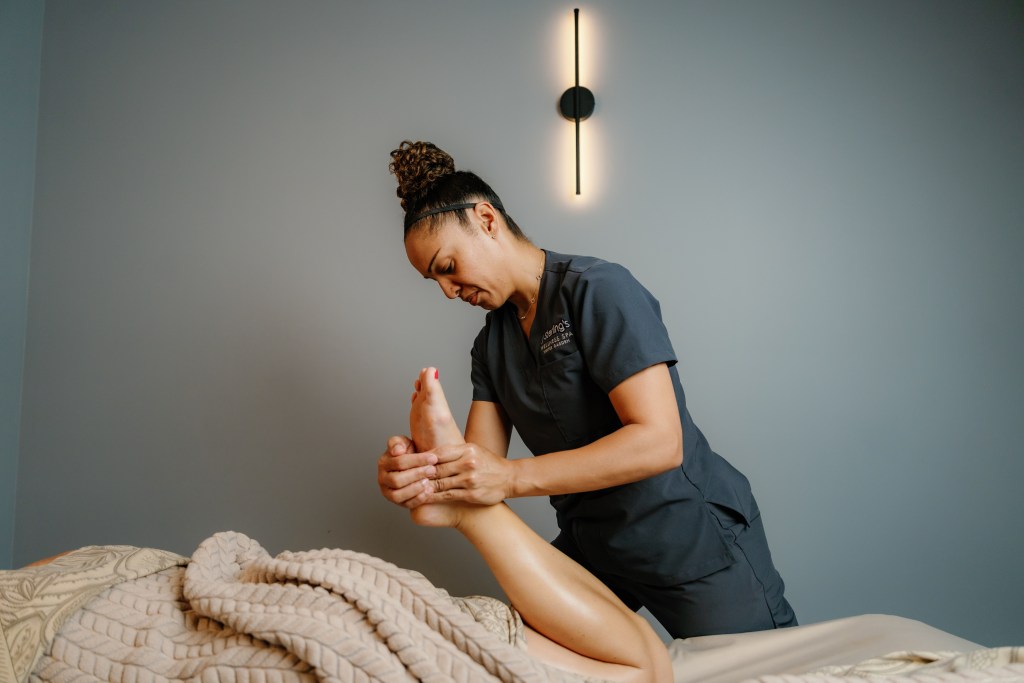
Foot massage at our spa in winter garden uses targeted pressure and gentle movement to help your body relax, ease tension, and improve circulation. Whether you’re looking for a professional massage in winter garden or a moment to unwind, a thoughtful foot massage can reduce soreness and speed recovery. In the sections below, we walk through practical techniques, explain the benefits, suggest helpful tools and oils, outline how reflexology complements the work, and highlight the foot services available at J Sterling Wellness Spa.
What Are the Key Benefits of Foot Massage?
Foot massage supports overall wellness in several straightforward ways. Key benefits include:
- Stress reduction: Gentle, intentional touch lowers stress hormones and helps the nervous system settle.
- Improved circulation: Massage encourages blood and lymph flow through the feet and lower legs, which can reduce swelling and speed recovery.
- Pain relief: Focused pressure and reflex techniques relieve tightness and can reduce discomfort beyond the foot itself.
Together, these effects make foot massage a practical addition to a regular self-care routine.
How Does Foot Massage Promote Relaxation and Pain Relief?
Foot massage calms the nervous system through warmth, steady rhythm, and deliberate pressure. Those elements ease muscle tension and encourage circulation, which reduces swelling and soreness. The combined effect is both immediate relaxation and ongoing relief for common foot complaints.
Clinical studies back up many of these benefits and help explain why foot massage is widely used in both wellness and clinical settings.
Foot Massage for Pain, Anxiety, and Quality of Life
This study found that foot massage reduced pain and anxiety and improved quality of life in patients who underwent anterior cervical discectomy and fusion (ACDF), suggesting foot massage can be a useful supportive therapy in clinical care.
Effects of foot massage on relieving pain, anxiety and improving quality of life of patients undergone a cervical spine surgery, 2021
What Are the Health Advantages of Foot Reflexology?
Foot reflexology targets mapped points on the sole that are believed to correspond with organs and systems in the body. Applying focused pressure to these points can promote relaxation, encourage circulation, and help relieve discomfort in related areas — a useful complement to a general foot massage.
Systematic reviews suggest reflexology may stimulate physiological responses that support pain relief and overall well-being.
Foot Reflexology: Pressure Points & Therapeutic Benefits
Reflexology involves pressing specific reflex points on the feet that correspond to other parts of the body. Review evidence indicates a generally favorable effect of reflexology on pain and related symptoms in patients.
A review of the effect of foot reflexology on pain in patients, 2024
What Are the Essential Steps for an Effective Foot Massage?
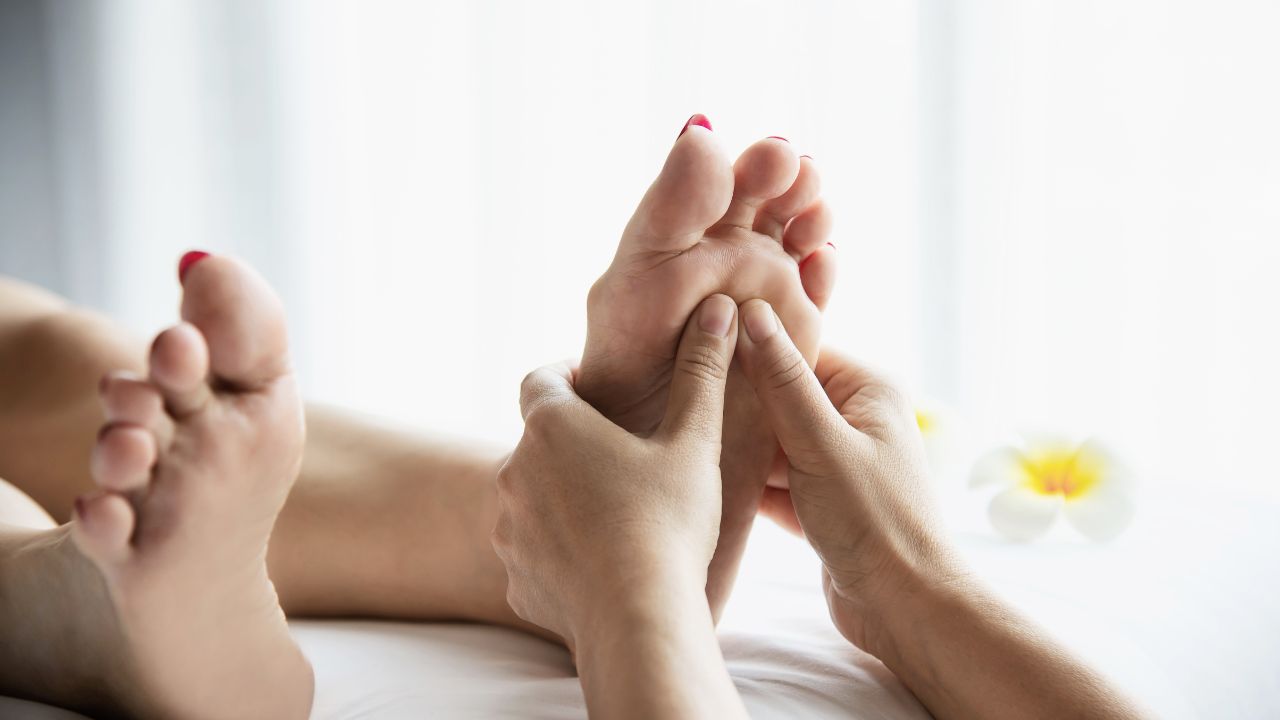
An effective foot massage follows a simple sequence that prepares the body and targets areas of tension. The core steps are:
- Preparation: Start with clean feet and a quick check-in about any pain or medical concerns.
- Foot soak: A warm soak relaxes tissues and makes the massage more comfortable.
- Massage techniques: Use a combination of strokes, pressure, and stretches to release tension.
These steps build a safe, comfortable foundation so the massage is both relaxing and effective.
How to Prepare Feet and Choose the Right Massage Oils?
Preparation matters. Clean, dry feet and a brief consultation with your therapist ensure a safe session. For oils, choose a neutral carrier like sweet almond or jojoba and add a few drops of an essential oil if desired — lavender for calm, peppermint for a cool, invigorating lift. Always patch-test if you have sensitive skin.
What Are the Step-by-Step Techniques for Massaging Feet?
Follow these practical steps for a thorough foot massage:
- Consultation with the therapist: Share medical concerns and tell the therapist where you feel tight or sore.
- Foot soak: A brief warm soak or gentle rubbing prepares the tissues.
- Use of varied techniques: Apply kneading, circular motions, thumb pressure along the arch, and gentle stretches to mobilize the foot.
Combined, these steps create a comprehensive approach that targets both surface tension and deeper discomfort.
Which Tools and Oils Enhance Foot Massage Experience?
The right accessories can deepen relaxation and make results last longer. Consider these essentials:
- Massage oils: Carrier oils and carefully selected essential oil blends smooth movement and add aromatherapy benefits.
- Aromatherapy: Lavender, orange, or other calming scents can enhance sleep and relaxation.
- Foot massage tools: Rollers, balls, and simple handheld devices help maintain results between professional sessions.
Thoughtful choices here can lift a basic massage into a restorative ritual.
What Are the Best Massage Oils for Foot Care?
Some oils are especially well-suited for foot work:
- Lavender oil: Calming and commonly used to reduce stress and promote sleep.
- Peppermint oil: Cooling and refreshing, it can help with fatigue and provide a sense of increased circulation when used sparingly.
Select oils that match the session’s goal — calming, cooling, or simply moisturizing — and use essential oils diluted in a carrier.
Research has linked aromatherapy massage, including lavender and citrus blends, to improvements in sleep quality and overall well-being.
Essential Oils & Foot Massage for Sleep Quality
Complementary therapies like massage with aromatherapy oils are low-risk non-pharmacological options. One study compared lavender and sweet orange essential oil foot massage and examined effects on sleep quality and restless leg symptoms in hemodialysis patients, noting improvements in sleep measures.
The effects of foot massage on hemodialysis patients’ sleep quality and restless leg syndrome: a comparison of lavender and sweet orange essential oil topical …, K Oshvandi, 2021
How Do Foot Massage Tools Improve Technique and Results?
Tools help deliver consistent, targeted pressure and allow clients to maintain benefits between appointments. Foot rollers, textured balls, and simple wooden tools let you reproduce therapist-like pressure at home and focus on tight spots that need ongoing attention.
How Does Foot Reflexology Complement Foot Massage Techniques?
Reflexology adds a mapped, point-by-point approach to a general foot massage. By working specific reflex points, practitioners can deepen relaxation and address localized pain patterns, creating a more holistic treatment that supports both comfort and recovery.
What Are the Main Foot Reflexology Pressure Points?
Familiar reflex points include:
- Toes: Often linked with the head and neck regions.
- Arch: Commonly associated with the spine and internal organ zones.
Targeting these areas can provide focused relief and support overall balance.
How to Integrate Reflexology into a Foot Massage Session?
Begin with a warm soak, then use purposeful, gradual pressure on reflex points—starting light and increasing as tolerated. Blend reflex work with broader strokes and stretches to create a relaxing, methodical session that treats both symptoms and tension patterns.

What Foot Massage Services Does J Sterling Wellness Spa Offer?
At J Sterling Wellness Spa we provide several foot-focused treatments tailored to relaxation and recovery, including:
- Eastern Foot Massage: Traditional techniques aimed at balancing energy and soothing the whole body.
- Reflexology: Targeted work on mapped reflex points to support systemic relief.
- Hot Stone Massage: Smooth heated stones applied to the feet for gentle, sustained warmth and muscle release.
Each service is adapted to the client’s needs to ensure a restorative, customized experience.
How to Book a Foot Massage at J Sterling Wellness Spa in Winter Garden?
Booking is simple. Visit the J Sterling Wellness Spa website, choose the foot service you want, and select an available therapist. If you prefer, you can also call us to schedule and discuss any special needs before your visit.
This straightforward process helps you secure a session that fits your schedule and goals.
What Makes J Sterling’s Foot Massage Services Unique?
We start every session with a brief consultation so therapists understand your concerns and tailor pressure and techniques accordingly. Our approach blends traditional reflexology with Eastern methods and modern bodywork to create a balanced, effective treatment focused on lasting comfort and relaxation.
Frequently Asked Questions
What should I consider before getting a foot massage?
Tell your therapist about any medical conditions (for example, diabetes or circulatory issues), recent injuries, or areas of pain. Mention allergies or skin sensitivities so we can choose oils and lotions safely. Clear communication about pressure and comfort ensures a safe, enjoyable session.
How often should I get a foot massage for optimal benefits?
Frequency depends on your needs. For general relaxation, once a week or every two weeks is common. If you’re recovering from injury or managing chronic pain, your therapist may recommend more frequent sessions. Listen to your body and adjust based on how you feel between visits.
Can foot massage help with specific conditions like plantar fasciitis?
Yes — targeted foot massage, deep tissue techniques, and reflexology can ease tightness and improve flexibility in conditions like plantar fasciitis. Always check with your healthcare provider first so massage complements any medical treatment you’re receiving.
What are some common mistakes to avoid during a foot massage?
Avoid excessive pressure without checking comfort, skipping a warm-up like a soak, and neglecting to focus on tight spots or reflex points. Communication and a gradual approach keep the session effective and comfortable.
Are there any contraindications for foot massage?
Certain conditions call for caution. Avoid foot massage with open wounds, infections, or severe circulatory problems. People with diabetes or pregnant clients should consult their healthcare provider before booking. Always inform your therapist of any health concerns before the session.
How can I maintain the benefits of a foot massage at home?
Keep the effects going with simple at-home practices: use a foot roller or tennis ball to work tight spots, do gentle foot stretches, soak feet in warm water with Epsom salts, and moisturize regularly. Short, consistent care preserves the relief you get from professional sessions.
Conclusion
Foot massage is a practical, restorative way to reduce stress, improve circulation, and ease pain. When combined with thoughtful oils, reflexology, and the right tools, it becomes a powerful part of a balanced self-care routine. If you’d like to try a guided session, book a foot treatment at J Sterling Wellness Spa — or start with the simple self-care tips above to feel better today. Take a small step toward greater comfort and well-being.