
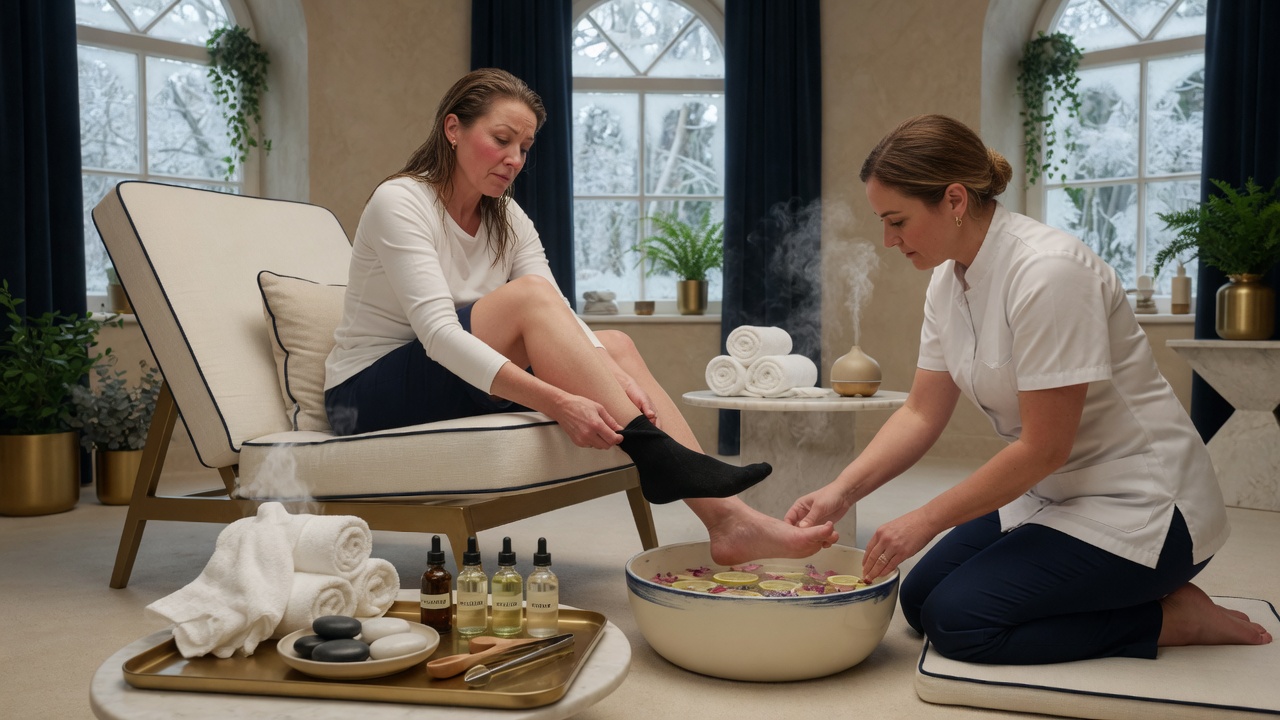
Why Professional Foot Massage is a Health Necessity, Not Just a Treat
Your feet carry your entire body — and they deserve far more attention than a quick rub at the end of a long day. With over 7,000 nerve endings packed into each foot, the foundation of your body is also one of its most powerful therapeutic access points.
“Foot massage is not just a luxury; it is a clinical intervention that stimulates the parasympathetic nervous system to promote systemic healing.” — American Massage Therapy Association (AMTA)
The difference between a rub and a clinical intervention is intention and technique. A casual rub offers momentary comfort. A structured approach to how foot massage therapy works — applying deliberate pressure to specific zones — activates the body’s rest-and-repair response at a systemic level. This is why practices like reflexology for anxiety relief have gained traction among healthcare providers: the feet serve as a neurological gateway, not just a peripheral body part.
Regular professional foot work also reframes an old assumption. Consistent foot maintenance is an “affordable luxury” — a modest, recurring investment that prevents costly downstream problems like plantar fasciitis, poor circulation, and chronic tension. If you’ve ever wondered whether targeted foot therapy could address real pain, the answer begins with understanding the mechanics behind the method — which is exactly where we’re headed next.
Mastering the Mechanics: How to Give a Therapeutic Foot Massage
Knowing how to massage feet effectively means understanding sequence, pressure, and technique — not just rubbing harder. As Medical News Today notes, warmup twists and arch rubs are foundational techniques professionals use to increase blood flow before any deep tissue work begins. Used together, these four moves form a complete, therapeutic routine you can deliver at home.
Warmup Twists come first. Hold the foot firmly with both hands and rotate the forefoot gently in opposite directions — think of wringing a towel. This loosens the small joints and prepares surrounding tissue to receive deeper pressure without resistance or discomfort.
Arch Rubs and Toe Bends address the tension points most people carry daily. Use both thumbs to stroke firmly along the arch from heel to ball, then gently flex and extend each toe individually. This targets the connective tissue responsible for common complaints like stiffness and foot discomfort after long hours on your feet.
The Foot Spread is often overlooked but highly effective. Place both thumbs at the center of the sole and press outward toward the edges, gently expanding the metatarsals. This technique creates space between compressed bones, immediately improving flexibility.
Proper Hand Positioning protects the giver, too. Keep your wrists neutral and let your body weight — not finger strength — generate pressure. This prevents giver fatigue and allows longer, more consistent sessions. Once you’ve mastered partner techniques, you may want to explore what’s possible on your own — which is exactly where self-massage tools and targeted DIY methods come in.
The DIY Deep Tissue: Relieving Plantar Fascia Tension at Home
Self-massage is one of the most accessible ways to manage foot pain — but knowing how to massage feet correctly at home makes all the difference between relief and injury.
Consistent, sustained pressure outperforms aggressive poking every time. Start by warming up the foot with broad thumb strokes along the arch before targeting tighter areas. Then work through this sequence:
- Knuckle rolling: Make a loose fist and glide your knuckles slowly along the plantar fascia from heel to ball, applying firm but controlled pressure.
- Achilles release: Pinch gently along the tendon with your thumb and forefinger, moving upward in small increments to reduce stiffness. Research published in the Journal of Athletic Training confirms that massaging the plantar fascia and Achilles tendon improves ankle range of motion and overall athletic performance.
- Toe mobilization: Gently flex and extend each toe to restore circulation after deep tissue work.
Pro Tip: Place a tennis ball on the floor and roll your bare foot over it for 60–90 seconds per zone. The ball’s firmness targets the fascia without straining your hands — ideal for daily maintenance between professional sessions.
Safety note: Avoid deep pressure directly on bony prominences, open blisters, or inflamed tissue. If pain sharpens rather than eases, stop immediately. For chronic conditions, learning about targeted foot tension relief can help you understand when professional care is the smarter call.
Not all feet respond identically to self-massage — and for those with complex connective tissue conditions, the standard approach needs significant adjustment.
Special Considerations: From Anxiety Relief to Ehlers-Danlos Syndrome
Foot massage does far more than ease tired muscles — for many people, it’s a clinically supported tool for managing stress, sleep disruption, and complex connective tissue conditions. Research published in the Evidence-Based Complementary and Alternative Medicine Journal found that reflexology and foot massage can reduce anxiety levels by as much as 50% in clinical settings. The mechanism is measurable: targeted foot pressure lowers cortisol, calms the nervous system, and shifts the body out of fight-or-flight mode. Beyond stress relief, data from the National Center for Complementary and Integrative Health shows that patients receiving 20-minute foot massages three times a week reported a 40% improvement in sleep quality — a direct result of reflexology’s ability to regulate circadian rhythms through parasympathetic nervous system activation. If you’ve ever wondered how to give a foot massage that actually promotes deep rest, the answer lies in slow, rhythmic strokes applied to the arch and heel before bedtime.
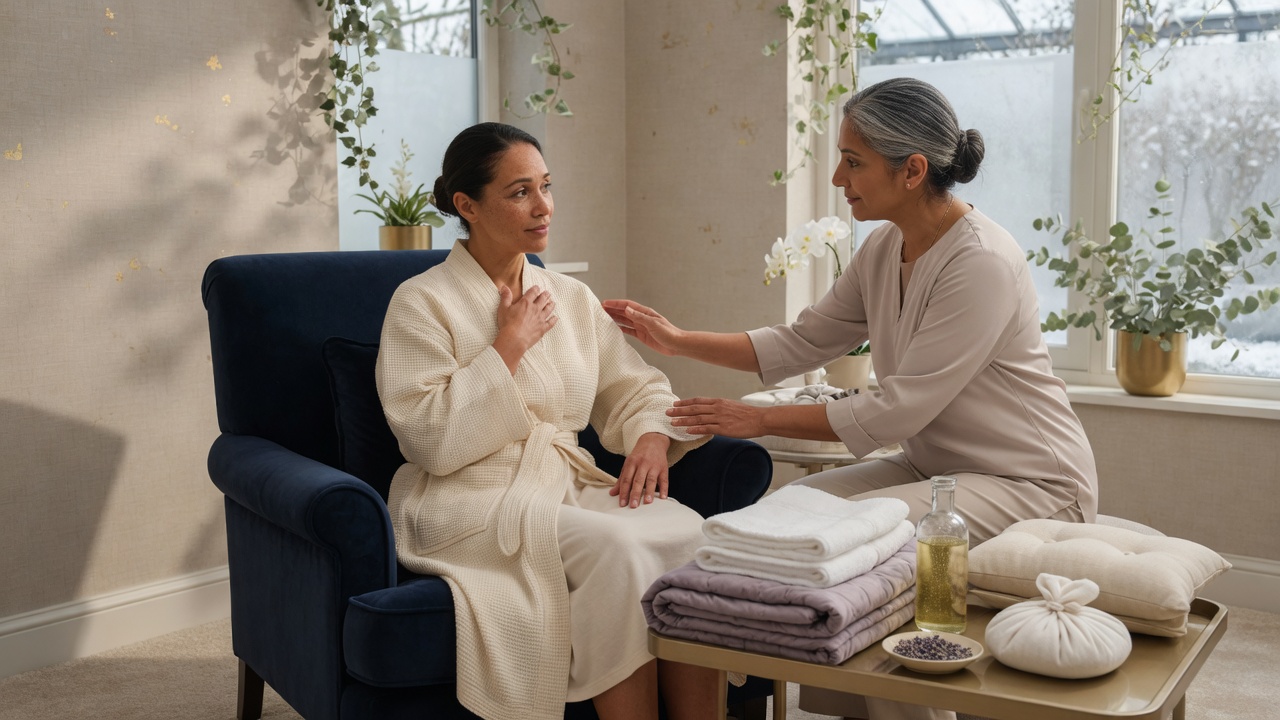
For individuals with Ehlers-Danlos Syndrome (EDS) or generalized hypermobility, standard massage techniques can do more harm than good. Connective tissue in EDS is structurally fragile, meaning deep-tissue pressure risks micro-tears, joint destabilization, or post-treatment flares. Specialized knowledge isn’t optional here — it’s essential. A trained therapist will use lighter, gentler holds, avoid joint manipulation entirely, and prioritize circulation over pressure. If you’re managing a chronic or complex condition, exploring professional spa treatments with a knowledgeable provider is a smarter starting point than DIY approaches. Knowing these distinctions — between what helps and what harms — is exactly what makes communicating clearly with your massage therapist so critical.
Communicating with Your LMT: How to Get the Best Results
Knowing how to communicate with your therapist is just as important as knowing how to give a foot massage yourself — precise language unlocks a level of targeted treatment that general requests simply can’t deliver.
The right words turn a good session into a great one. According to J Sterling’s clinical guidelines, clear communication regarding pressure and specific pain points allows LMTs to tailor treatments for maximum systemic impact. Use these phrases to advocate effectively:
- Describing pain: “I feel a sharp pull along my arch when I first stand up” or “there’s a dull, radiating ache from my heel toward my ankle.”
- Requesting focus time: “Could we dedicate the last 10 minutes of the session exclusively to my feet and lower calves?”
- Setting pressure: “I prefer firm pressure on the heel but lighter work across the ball of my foot.”
Awkwardness around pressure preferences is common — but therapists genuinely want the feedback. A simple “can you go deeper there?” or “that’s too intense” keeps the session productive and safe.
For chronic foot issues, consistency matters most. A recurring wellness membership ensures your LMT builds a working history of your specific pain patterns, making each session progressively more effective than the last.
These individual strategies — home care, special accommodations, and professional communication — all point toward the same destination: a sustainable, whole-body approach to foot wellness worth summarizing.
The Bottom Line: Key Takeaways for Foot Wellness
Foot wellness is not a luxury afterthought — it’s a foundational health practice supported by evidence, anatomy, and consistent professional care.
As covered throughout this guide, the benefits compound when you approach foot care strategically rather than reactively. Deep tissue massage for foot health addresses not just surface tension but the plantar fascia, connective tissue, and nerve pathways that influence your entire body’s function.
- Foot massage is a clinical tool for nervous system regulation — stimulating pressure points can measurably lower cortisol and activate the parasympathetic response, making it far more than simple relaxation.
- Regular plantar fascia manipulation reduces injury risk — consistent soft tissue work keeps the fascia pliable, which is critical for athletes and anyone on their feet for extended periods.
- Reflexology reliably reduces anxiety and improves sleep quality — research confirms measurable improvements in both with regular sessions.
- Professional sessions deliver depth and safety DIY cannot replicate — a licensed massage therapist reads tissue feedback in real time, adapting pressure to prevent strain.
- Consistency is the true driver of long-term mobility — wellness memberships remove the barrier of scheduling and cost, turning periodic care into a reliable routine.
Whether you’re managing a specific condition or simply investing in longevity, the right professional environment makes every session count — and if you’re looking for a thoughtful way to start someone else on that path, a wellness gift for someone special is always a meaningful first step.
Elevate Your Routine at J Sterling’s Winter Garden
Your feet carry every step of your life — they deserve more than occasional attention. The full spectrum of foot massage benefits — reduced tension, improved circulation, better sleep, and lasting pain relief — only compounds when care is consistent and clinically informed.
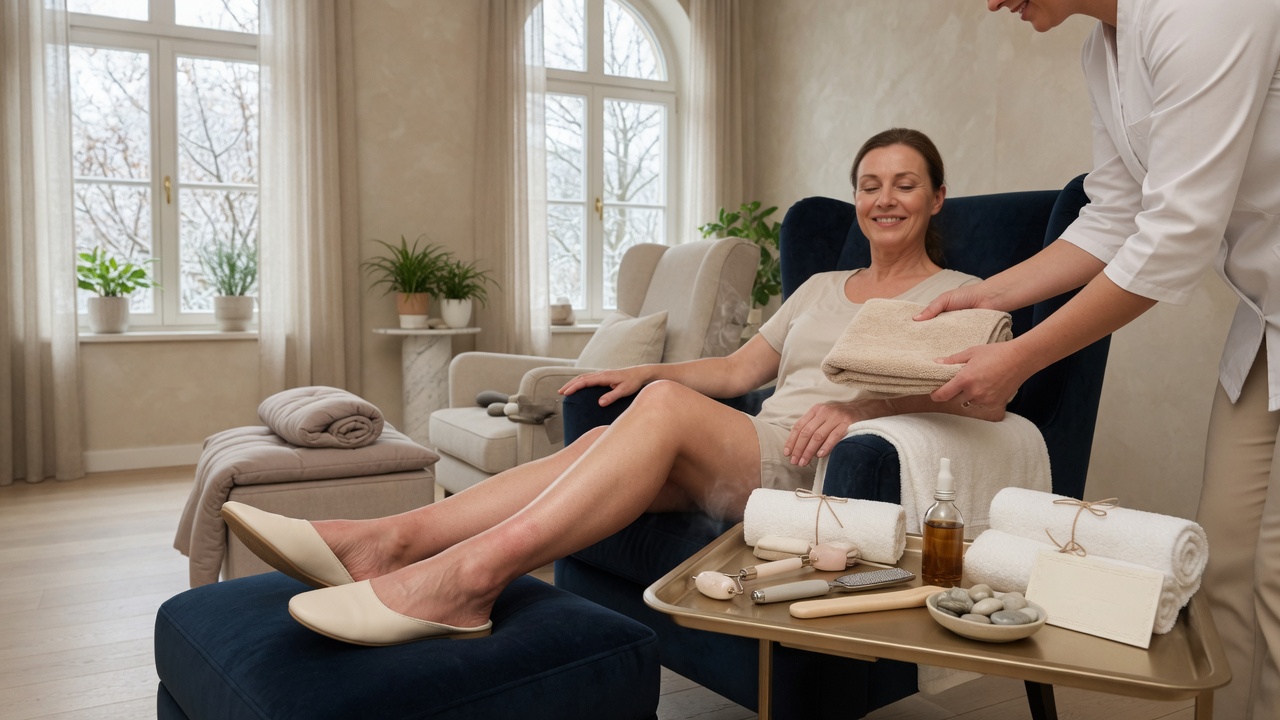
At J Sterling’s Winter Garden, professional foot therapy isn’t a rushed add-on. It’s delivered in a sanctuary environment where licensed therapists apply precise technique to real anatomical need. The difference between a quick rub at home and a structured therapeutic session is measurable: research from Johns Hopkins Medicine confirms that chronic foot conditions respond best to sustained, targeted intervention — not one-time fixes.
Consistent care is the key, which is why the Wellness Circle membership is designed for exactly that. Rather than booking sporadically, members build a regular rhythm of treatment that lets therapists track progress and adjust protocols over time. Paired with medical-grade aesthetic services, this approach treats the foot as a whole — skin integrity, structural health, and muscle recovery together.
The body’s foundation deserves the same intention you give everything else. Prioritize it. Book your first session or explore the Wellness Circle and experience what professional foot wellness actually feels like.