
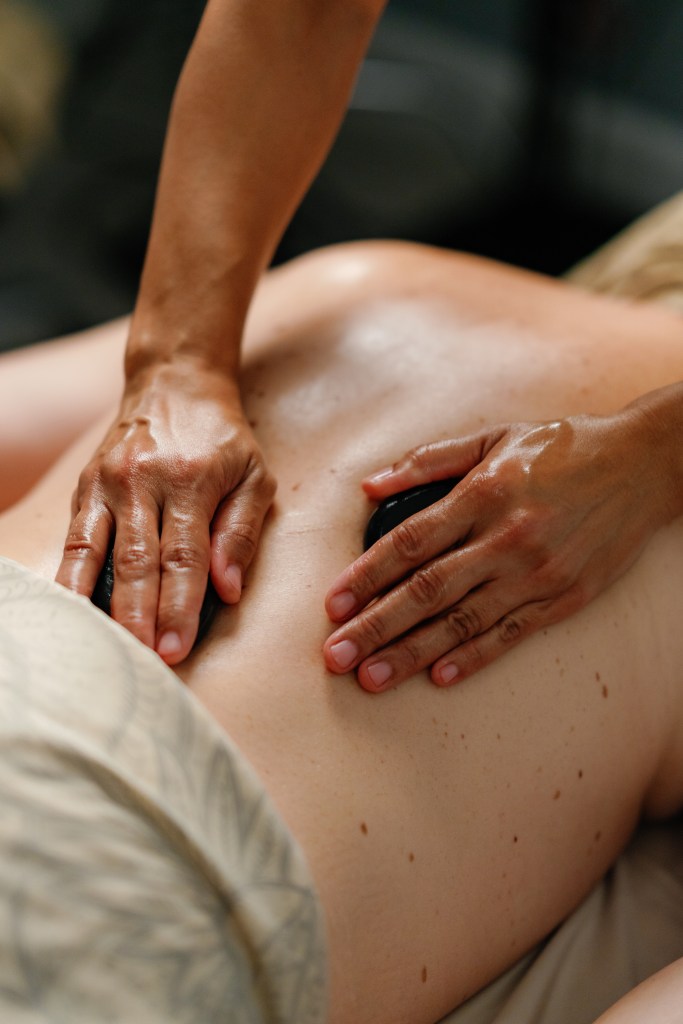
Massage therapy provides relaxation, pain relief, and support for overall well‑being. It is important, however, to understand the potential side effects and risks so you can make informed choices. This article outlines common reactions, contraindications, safety precautions for our spa in winter garden, and recommended aftercare so clients can responsibly enjoy the benefits of massage while minimising adverse outcomes.
Key Takeaways
- Massage therapy offers benefits but also carries potential risks and side effects.
- Common side effects include muscle bruising, temporary soreness, and rare blood clots.
- Clients should communicate comfort levels and disclose medical history to therapists.
- Contraindications include high-risk pregnancies, severe osteoporosis, and recent surgeries.
- Deep vein thrombosis poses a significant risk during massage therapy.
- Hydration, rest, and gentle movement are essential aftercare practices.
- Massage therapy can improve physical and mental well-being when performed safely.
- Informed consent is crucial for ethical and safe massage therapy practices.
What Are the Common Side Effects and Risks of Massage Therapy?
Massage therapy is generally safe but can produce predictable side effects. Understanding these helps you prepare and set expectations. For a professional and safe session, consider massage in winter garden.
Muscle Bruising
This can occur due to the pressure applied during the massage, especially in deep tissue techniques.
Temporary Soreness
Similar to post-exercise discomfort, clients may experience mild soreness after a session.
Blood Clots
In rare cases, massage can dislodge existing blood clots, particularly in individuals with certain medical conditions.
These reactions are usually mild and short‑lived; awareness and clear communication with your therapist reduce risk.
Which Side Effects Should Clients Expect After a Massage?
After a session, clients commonly experience predictable, short‑term effects that vary by technique and individual sensitivity.
Mild Soreness Duration
Clients may feel soreness for 24-48 hours post-massage, similar to the feeling after a workout.
Comparison to Post-Exercise Discomfort
The sensation is often akin to muscle fatigue rather than pain, indicating that the body is responding to the treatment.
When to Seek Medical Advice
If soreness persists beyond a few days or is accompanied by severe pain, clients should consult a healthcare professional.
Knowing typical post‑session responses helps you distinguish normal recovery from signs that need medical attention.

How Can Massage Therapy Cause Pain or Discomfort?
Pain or discomfort during treatment can result from technique, applied pressure, or individual sensitivity; recognising these factors supports clearer communication with your therapist.
Technique Used : Different massage techniques apply varying levels of pressure, which can affect comfort levels.
Pressure Applied : Clients should communicate their comfort levels to ensure the pressure is appropriate for their needs.
Individual Sensitivity : Each person’s pain threshold varies, and what feels comfortable for one may be uncomfortable for another.
Discussing technique and pressure with your therapist allows adjustments that improve safety and comfort.
Who Should Avoid Massage Therapy? Key Contraindications Explained
Certain health conditions and circumstances make massage inadvisable. Recognising these contraindications is essential for client safety.
High-Risk Pregnancies: Pregnant individuals should consult their healthcare provider before receiving massage therapy.
Medical Conditions: Conditions such as severe osteoporosis or recent surgeries may warrant caution or avoidance.
Acute Injuries: Clients with acute injuries should refrain from massage until cleared by a medical professional.
Awareness of these contraindications helps you choose appropriate treatments and avoid harm.
What Medical Conditions Increase Massage Therapy Risks?
Certain medical conditions raise the risk of complications during massage therapy . Disclose your medical history so therapists can adapt techniques or decline treatment when necessary.
Deep Vein Thrombosis : This condition can lead to serious complications if massage is applied to affected areas.
Uncontrolled Hypertension : High blood pressure can pose risks during massage, necessitating careful monitoring.
Recent Surgeries : Clients should avoid massage on or near surgical sites until fully healed.
Clear disclosure of health conditions allows safe, responsible provision of massage therapy.
Research underscores that some conditions carry life‑threatening risks when combined with certain massage techniques, particularly deep vein thrombosis during pregnancy.
Life-Threatening Risks: Leg Massage & DVT in Pregnancy
Traditional massage appears generally safe but is not entirely risk free; serious adverse events are very rare. This report documents a rare fatal pulmonary embolism following leg massage and advises massage providers and pregnant clients to be vigilant for undetected deep vein thrombosis, which may become life‑threatening if massaged.
Leg massage during pregnancy with unrecognized deep vein thrombosis could be life threatening: a case report
Are There Age or Health Restrictions for Massage Clients?
Age and overall health affect suitability for massage. Consider these factors when booking and complete any required consent or medical screening.
Minimum Age Requirement: Many spas require clients to be at least 18 years old or have parental consent if younger.
Health Conditions Requiring Consultation: Individuals with chronic health issues should consult their healthcare provider before receiving massage therapy.
Parental Consent for Minors: Minors seeking massage therapy should have consent from a parent or guardian.
These precautions ensure treatments are appropriate and safely tailored to each client.
What Safety Precautions Should Clients and Therapists Follow?
Safety depends on transparent medical history, clear communication, and appropriate technique selection by the therapist.
Medical History Disclosure: Clients should provide a complete medical history to their therapists to identify any potential risks.
Comfort Communication: Clients should feel empowered to communicate their comfort levels and any discomfort during the session.
Hydration: Staying hydrated before and after a massage can help mitigate soreness and enhance recovery.
Following these precautions enhances both safety and the therapeutic value of the session.
How to Prepare for a Safe Massage Session
Proper preparation reduces side effects and improves outcomes. The steps below support a safe, comfortable session.
Arrive Early: Arriving early allows clients to relax and fill out any necessary paperwork without feeling rushed.
Stay Hydrated: Drinking water before the session can help prepare the body for the treatment.
Communicate Your Needs: Clients should discuss any specific areas of concern or preferences with their therapist beforehand.
These practical steps help ensure a more effective and comfortable treatment.
What Aftercare Practices Minimize Negative Effects?
Aftercare supports recovery and prolongs benefits. Simple measures can reduce soreness and aid circulation.
Hydration : Drinking plenty of water post-massage helps flush out toxins released during the treatment.
Rest : Allowing the body to rest after a massage can enhance recovery and overall well-being.
Gentle Movement : Engaging in light stretching or gentle movement can help alleviate any post-massage soreness.
Consistent aftercare improves comfort and maximises the benefits of each session.
How Do the Benefits of Massage Therapy Compare to Its Risks?
When delivered by qualified practitioners, the therapeutic benefits of massage typically outweigh the risks for most clients.
Physical Well-Being Benefits: Massage therapy can alleviate pain, reduce muscle tension, and improve circulation.
Mental Well-Being Benefits: It also promotes relaxation and reduces stress, contributing to overall mental health.
Pain Management: Many clients find that regular massage therapy helps manage chronic pain conditions effectively.
Balancing benefits and potential risks helps clients make informed choices about their care.
What Positive Outcomes Can Massage Therapy Provide?
Massage therapy supports physical comfort, emotional balance, and restorative sleep when applied appropriately.
Reduction of Muscle Tension
Regular massage can help alleviate tightness and discomfort in muscles.
Enhanced Mood
The relaxation response triggered by massage can lead to improved mood and reduced anxiety.
Improved Sleep Quality
Many clients report better sleep patterns following regular massage therapy sessions.
These outcomes make massage a valuable component of a comprehensive wellness plan.
How to Weigh Benefits Against Potential Side Effects
Clients should evaluate both expected benefits and any personal risk factors before proceeding with treatment.
Understanding Risks: Being informed about the risks allows clients to make educated decisions regarding their health.
Communicating with Therapists: Open dialogue with therapists can help tailor treatments to individual needs and concerns.
Making Informed Decisions: Clients should weigh their personal health conditions against the benefits of massage therapy to determine suitability.
This balanced approach supports safe, effective treatment choices aligned to individual needs.
The ethical basis for this approach is informed consent, which underpins safe and respectful therapeutic practice.
Informed Consent in Therapeutic Massage
Obtaining informed consent from competent patients is essential to the ethical delivery of health care, including therapeutic massage and bodywork (TMB). The informed consent process used by TMB practitioners has not been previously studied.
Negotiating consent: exploring ethical issues when therapeutic massage bodywork practitioners are trained in multiple therapies, AJ Porcino, 2014
Why Choose J Sterling’s Wellness Spa for Safe and Professional Massage Therapy?
Choosing an experienced, reputable provider reduces risk and improves outcomes. J Sterling’s Wellness Spa emphasises safety, trained staff, and client‑centred care.
Expert Therapists
Our licensed massage therapists are trained in various modalities, ensuring a tailored experience for each client.
Affordable Luxury
We provide high-quality massage therapy services at competitive prices, making wellness accessible to everyone.
Comprehensive Wellness Services
In addition to massage therapy, we offer a range of wellness treatments designed to enhance overall health.
Selecting J Sterling’s Wellness Spa helps ensure a professional, safe, and restorative massage experience.
What Qualifications Do Our Licensed Massage Therapists Hold?
At J Sterling’s Wellness Spa, our licensed massage therapists hold recognised qualifications and maintain competency through ongoing training.
- Formal Education : Each therapist has completed a recognized massage therapy program, ensuring a solid foundation in techniques and anatomy.
- Licensing Exam : All therapists have passed the required licensing exams, demonstrating their competency in the field.
- Continuing Education : Our therapists engage in ongoing education to stay updated on the latest techniques and best practices.
These credentials support consistent, high standards of care during every session.

How Does Our Spa Ensure Client Safety and Comfort?
We combine skilled assessment, a calming environment, and clear communication to prioritise client safety and comfort.
Expert Therapists : Our skilled therapists are trained to assess individual needs and adjust treatments accordingly.
Relaxing Environment : The spa is designed to provide a calming atmosphere, promoting relaxation from the moment clients arrive.
Clear Communication : We encourage clients to communicate their preferences and any concerns to ensure a comfortable experience.
These measures work together to deliver a safe and restorative massage experience at our spa.
Frequently Asked Questions
What should I do if I experience pain after a massage?
Assess the severity of the pain. Mild soreness is common and normally resolves within 24–48 hours. If pain is severe, worsens, or persists beyond a few days, contact a healthcare professional. Also inform your massage therapist so future sessions can be adjusted to your comfort and clinical needs.
Can massage therapy help with specific medical conditions?
Massage can support conditions such as chronic musculoskeletal pain, anxiety, and muscle tension by improving circulation and promoting relaxation. Always consult your healthcare provider before beginning therapy if you have underlying medical issues or are undergoing treatment, so massage can be applied safely and appropriately.
How often should I get a massage for optimal benefits?
Frequency depends on your goals and condition. Many clients benefit from sessions every 4–6 weeks for general wellness. Those managing chronic pain or high stress may require weekly or biweekly treatments. Discuss a personalised schedule with your therapist.
Are there any specific techniques that are safer for certain conditions?
Yes. Gentler modalities, such as Swedish massage, are often recommended for high sensitivity or general relaxation, while deeper techniques may be used for targeted muscle tension. Always disclose health concerns so your therapist can select the safest, most effective approach.
What should I wear during a massage session?
Wear comfortable clothing that allows easy movement. You may undress to your comfort level; therapists provide proper draping to protect privacy. If unsure, loose-fitting athletic wear is appropriate—confirm your preference with the therapist beforehand.
How can I find a qualified massage therapist?
Verify credentials and licensing, review training backgrounds, and check client feedback. Accredited training, state licensure, and positive references or referrals from healthcare providers indicate a therapist who prioritises safety and quality.
What should I do if I have a medical condition but want to try massage therapy?
Consult your healthcare provider first to confirm safety and any necessary precautions. Once you have clearance, inform your massage therapist about your condition so they can adapt techniques and protect your health during the session.
Conclusion
Understanding risks, contraindications, and aftercare lets you make informed decisions about massage therapy. Prioritise clear disclosure and communication with qualified therapists to maximise benefits while minimising risk. Visit J Sterling’s Wellness Spa to explore professional, client‑focused massage services.