
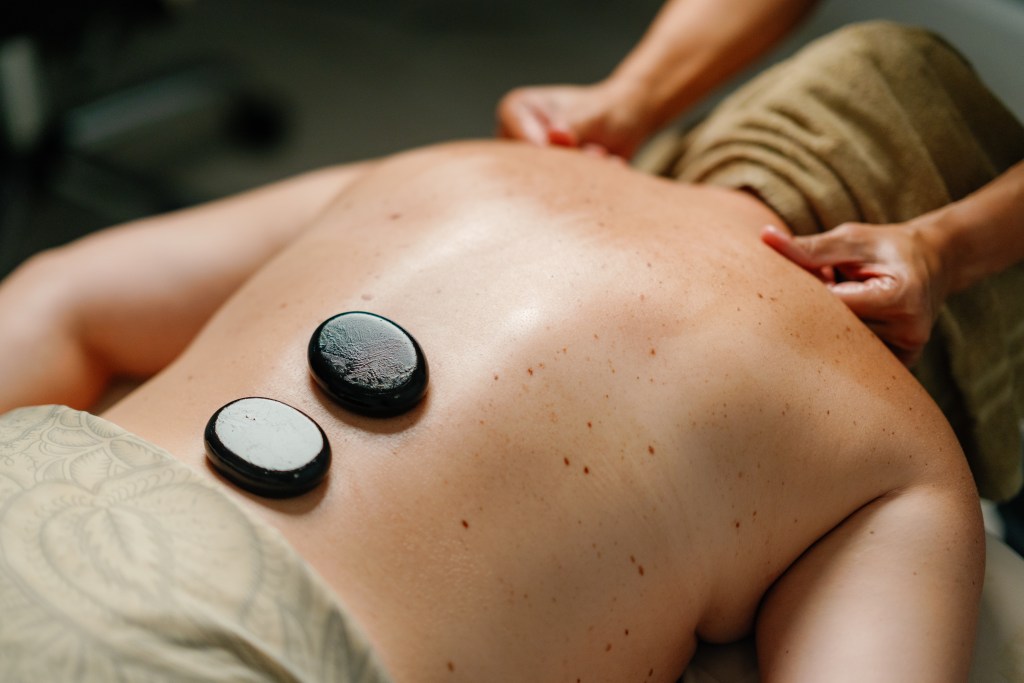
Health insurance and Health Savings Accounts (HSAs) may cover certain massage therapy services, but eligibility varies. This article explains which treatments are commonly eligible at our spa in winter garden, what documentation insurers require, and the evidence that supports coverage. With this information you can make informed choices and potentially reduce out-of-pocket costs.
Key Takeaways
Health insurance may cover massage therapy if deemed medically necessary by a healthcare provider. Commonly covered types include deep tissue, prenatal, and sports massages. HSA funds can also be used for massage therapy if it’s medically necessary and properly documented. Insurance claims typically require a doctor’s referral, detailed receipts, and a completed claim form. Benefits of massage therapy include pain relief, stress reduction, and injury recovery support. IRS guidelines require medical necessity and documentation for HSA reimbursement. J Sterling’s Wellness Spa offers massage services that may qualify for insurance or HSA use. Clients often inquire about insurance eligibility, required documentation, and appointment scheduling for massages.
What Types of Massage Therapy Are Typically Covered by Health Insurance?
Coverage for massage therapy depends on the insurer and the plan. Certain modalities are more commonly eligible for reimbursement. Deep tissue massage is often prescribed for chronic pain and muscle tension, focusing on deeper layers of muscle and connective tissue. Prenatal massage is designed specifically for pregnant women to alleviate discomfort and promote relaxation during pregnancy. Sports massage is tailored for athletes to help prevent injuries and enhance performance by focusing on specific muscle groups. Knowing which massage types are commonly covered can help you select services that may qualify for insurance reimbursement. Insurance reimbursement policies are complex and frequently depend on the qualifications of the massage provider.
US Insurance Guidelines for Massage Therapy Reimbursement
Massage techniques fall within the scope of several health care professions. Physical therapists, occupational therapists, and chiropractors commonly receive insurance reimbursement for services that include massage. Although many patients pay out of pocket for massage services, insurance policies are often unclear about how provider qualifications affect coverage. This project analyzed regional U.S. insurance reimbursement guidelines for massage therapy and the role of the service provider.
A regional analysis of US insurance reimbursement guidelines for massage therapy, RS Miccio, 2018

Which Massage Treatments Qualify as Medically Necessary?
Insurers typically require massage therapy to be medically necessary in order to provide coverage. Treatments often recognized as meeting that requirement include medical massage, which is prescribed by a healthcare provider to treat specific medical conditions such as chronic pain or injury recovery. Sports massage, when prescribed for injury prevention or recovery, can also be considered medically necessary. Deep tissue massage may qualify if recommended by a physician for conditions like fibromyalgia or chronic back pain. Documenting medical necessity is essential when seeking insurance reimbursement for massage services.
How Can You Use HSA and FSA Funds to Pay for Massage Therapy?
HSAs and FSAs may reimburse massage therapy when the treatment meets plan criteria and is documented appropriately. To use these funds, first ensure that the massage therapy is deemed medically necessary by a healthcare provider. Then, gather all necessary documentation, including a doctor’s referral and receipts for services rendered. Finally, submit claims following your HSA or FSA provider’s guidelines, which may include filling out specific forms and providing supporting documentation. Following these steps helps you use HSA or FSA funds for eligible massage services.
What Are the IRS Guidelines for Massage Therapy Eligibility with HSAs?
The IRS requires medical necessity and adequate documentation for HSA reimbursements. To qualify, massage therapy must be prescribed by a licensed healthcare provider for a specific medical condition. Proper documentation, including a doctor’s note and receipts, must be maintained to substantiate the claim. Knowing these rules helps ensure your massage therapy expenses are eligible for HSA reimbursement.
What Is the Process for Submitting Health Insurance Claims for Massage Therapy?
Submitting insurance claims for massage therapy generally follows a standard process. First, obtain a doctor’s referral, which is often required to establish medical necessity. Next, schedule your massage appointment with a licensed massage therapist who can provide the necessary documentation. Finally, keep all receipts and any additional paperwork provided by the therapist for your records. Completing these steps can streamline claims and improve the likelihood of reimbursement.
Which Documentation Is Required for Successful Massage Therapy Reimbursement?
Successful reimbursement typically requires specific documentation. A doctor’s referral is needed, which is a written recommendation from a healthcare provider indicating the medical necessity of the massage therapy. Detailed receipts from the massage therapist should include the date of service, type of massage, and cost. Additionally, a completed claim form as required by your insurance provider is necessary. Having these documents on hand facilitates a smoother reimbursement process.
What Are the Proven Benefits of Massage Therapy That Support Insurance Coverage?
Massage therapy offers therapeutic benefits that support insurance coverage. It has been shown to alleviate chronic pain conditions, making it a valuable treatment option for many patients. Regular massage can significantly reduce stress levels, contributing to overall mental and physical well-being. Additionally, massage therapy aids in the recovery process from injuries by improving circulation and reducing muscle tension. These outcomes demonstrate massage’s therapeutic value and support its inclusion in health insurance plans.
How Does Massage Therapy Aid in Pain Relief and Wellness?
Massage therapy supports pain relief and overall wellness through several mechanisms. It helps reduce muscle tension by relaxing tight muscles, which can alleviate pain and discomfort. Improved circulation from massage promotes healing and reduces inflammation in affected areas. The physical touch involved in massage stimulates the release of endorphins, which are natural pain relievers. These mechanisms show that massage can be an effective component of a comprehensive wellness plan.
How Does J Sterling’s Wellness Spa Facilitate Insurance and HSA Payments?
J Sterling’s Wellness Spa assists clients with insurance and HSA payments through clear procedures designed to verify eligibility and document care. Clients are encouraged to contact the spa to discuss their insurance coverage and HSA eligibility. Providing insurance information allows the spa to verify coverage for massage therapy services. Booking an appointment with licensed professionals experienced in providing the necessary documentation for claims is the next step. The spa handles administrative steps to make the process straightforward so clients can focus on their care.
What Massage Services Does J Sterling’s Offer That Qualify for Insurance or HSA Use?
J Sterling’s Wellness Spa provides massage services that may qualify for insurance or HSA use. Therapeutic massage options are tailored to address specific health concerns and are often prescribed by healthcare providers. The spa also strives to provide competitive pricing for massage therapy services, ensuring that wellness is accessible to all. These services reflect the spa’s commitment to supporting your health and wellness needs.

What Common Questions Do Clients Have About Using Insurance and HSA for Massage Therapy?
Can I use my insurance for massage therapy?
Yes, if the massage is deemed medically necessary and you have the appropriate documentation.
What documentation is needed?
A doctor’s referral, receipts, and a claim form are typically required for reimbursement.
How do I schedule an appointment?
You can contact J Sterling’s Wellness Spa directly to book your massage therapy session.
HSAs are intended for medical expenses; some spa treatments may qualify if they are medically necessary. Confirm eligibility with your HSA administrator and ensure treatments meet IRS guidelines. Consult spa staff to clarify which services may be covered under your HSA. To view our range of massage in winter garden and determine the best option for your needs, visit J Sterling’s Wellness Spa. Understanding insurance coverage and HSA eligibility will help you make informed decisions about your wellness investments. For more information on massage therapy and its benefits, please visit J Sterling’s Wellness Spa.
Frequently Asked Questions
Can I use my HSA or FSA for massage therapy if it’s not prescribed?
HSA and FSA funds generally cover medically necessary expenses. If massage therapy is not prescribed by a healthcare provider, it typically will not qualify. If you can document that the treatment addresses a specific medical condition, reimbursement may be possible. Always confirm eligibility with your HSA/FSA administrator.
What should I do if my insurance claim for massage therapy is denied?
If your claim is denied, review the denial letter to identify the reason—common causes include lack of medical necessity or incomplete documentation. You can appeal by submitting additional evidence, such as a physician’s note or more detailed receipts. Contact your insurer for instructions on the appeals process and follow their requirements.
Are there specific massage therapists that my insurance will cover?
Coverage often depends on the therapist’s qualifications. Many plans require a licensed massage therapist and may specify certain certifications. Verify with your insurance provider which therapists are in-network and eligible for coverage to avoid unexpected out-of-pocket costs.
How can I find out if my insurance covers massage therapy?
Contact your insurance provider to confirm coverage details, including which types of massage are covered, required documentation, and whether a referral is necessary. Reviewing your policy documents can also clarify your benefits for massage therapy.
What types of documentation do I need to submit for HSA reimbursement?
For HSA reimbursement you typically need a doctor’s referral indicating medical necessity, itemized receipts from the massage therapist, and a completed claim form. Keep all documentation organized and submit it promptly. Check with your HSA administrator for any specific requirements.
Can I use insurance for massage therapy if I have a chronic condition?
If you have a chronic condition and a healthcare provider deems massage therapy medically necessary, it may be covered by insurance. Conditions such as fibromyalgia, chronic back pain, or sports injuries often qualify. Ensure you have appropriate documentation, including a referral, to support your claim.
What are the potential out-of-pocket costs for massage therapy with insurance?
Out-of-pocket costs vary by plan and depend on factors such as your deductible, copayment, and whether the therapist is in-network. If your plan covers massage therapy, you may only owe a copay or coinsurance after meeting your deductible. Contact your insurance provider for specific cost details related to your coverage.
Conclusion
Understanding how to use health insurance and HSA funds for massage therapy can enhance your wellness plan and reduce personal expense. By identifying qualifying treatments and preparing the required documentation, you can make informed choices that align with your health needs. We invite you to review the massage services at J Sterling’s Wellness Spa to find the right therapeutic option and to contact us for assistance.