
A spa in winter garden is a controlled environment created to support relaxation, rejuvenation and holistic wellness. Spas provide a range of spa packages in winter garden targeting physical and mental health. This article explains what a spa offers, the common treatment types, and the ways those services support relaxation. Readers will find clear descriptions of services such as massage therapy, facials and body treatments, plus guidance for choosing an appropriate experience. The goal is to enable informed decisions about personal wellness plans.
What Is a Spa and How Does It Promote Wellness?
A spa is a facility that delivers services focused on relaxation, beauty and overall wellness. Many spas combine established therapies with contemporary wellness practices to create an integrated approach to health. The central objective is to support clients’ physical and mental well-being through targeted, professionally delivered treatments.
Defining Spa: Origins and Modern Interpretations
The word “spa” traces to the Latin phrase “salus per aquam,” meaning “health through water.” Historically, spas centred on mineral springs and therapeutic baths. The modern concept has broadened to include diverse wellness services such as massage therapy, facials and body treatments. Today’s spas function as retreats where clients can step away from daily stress and focus on self-care.
How Wellness Centers Integrate Spa Services for Holistic Health
Wellness centres frequently add spa services to deliver a coordinated health programme. By integrating exercise, nutrition and relaxation therapies, these centres address physical, emotional and spiritual needs. This combined approach enables clients to pursue more comprehensive and lasting improvements in well-being.
This holistic approach is further supported by studies examining the broader psychological impact of spa treatments.
Spa Treatments for Holistic Mind-Body-Spirit Wellbeing
The spa industry’s promotion of ‘holistic’ healing across ‘mind, body and spirit’ is widespread and often frames spa treatments as a form of physical therapy.
The psychology of spa: The science of ‘holistic’wellbeing, 2016
What Are the Common Types of Spa Treatments Offered?
Spas present a range of treatments designed to meet different wellness objectives. Knowing the available options helps clients select services that align with their goals and deliver clear benefits.
Massage Therapy Benefits: Techniques and Outcomes
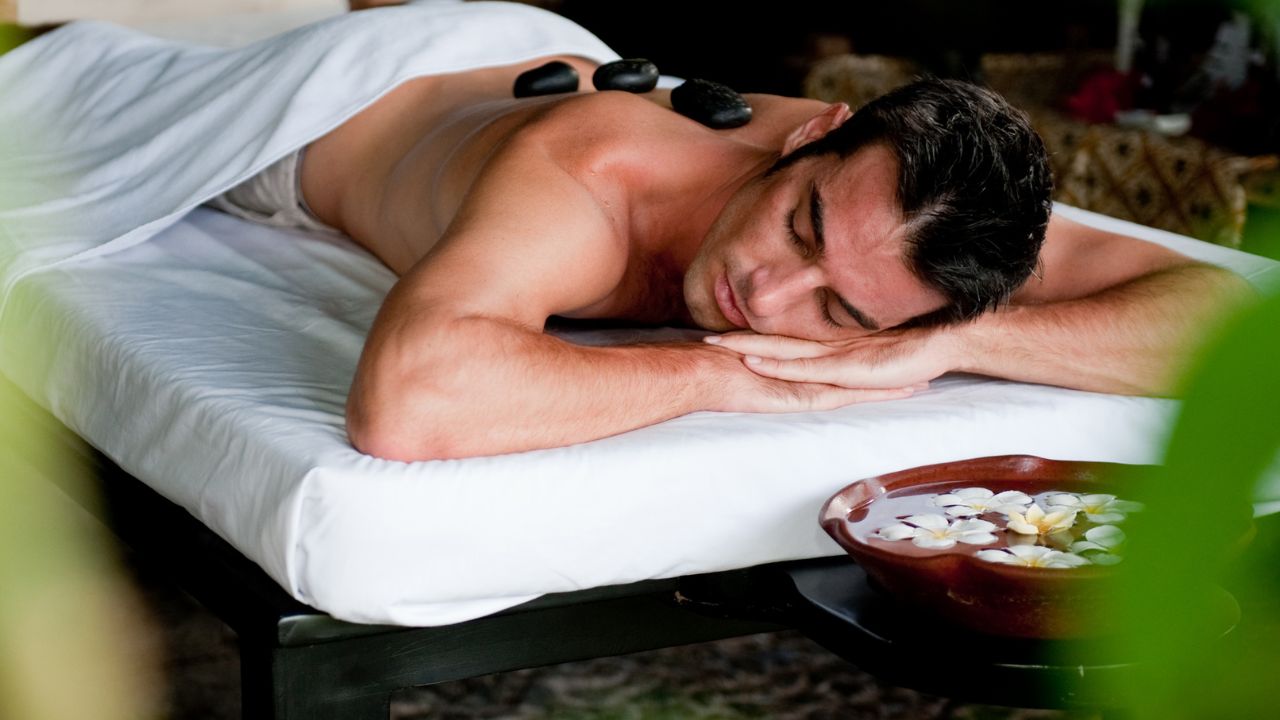
Massage therapy is a core spa service with measurable benefits. Techniques such as Swedish, deep tissue and hot stone massage can relieve muscle tension, support circulation and induce relaxation. Regular sessions may contribute to improved physical function, lower stress and greater overall well-being.
Facial Spa Services: Enhancing Skin Health and Appearance
Facial treatments focus on cleansing, exfoliation and nourishment to support healthy, radiant skin. Common services include hydrating facials, anti‑aging protocols and treatments for acne. These procedures improve skin condition while providing a restorative experience that supports overall wellness.
| Treatment Type | Key Benefits | Typical Duration |
|---|---|---|
| Massage Therapy | Reduces muscle tension, improves circulation | 60-90 minutes |
| Hydrating Facial | Deeply moisturizes skin, enhances glow | 60 minutes |
| Body Wrap | Detoxifies skin, improves texture | 90 minutes |
This table summarises the primary benefits and typical durations of popular spa treatments, demonstrating how each service contributes to client wellness.
How Do Spa Treatments Support Relaxation and Well-Being?
Spa treatments are designed to create conditions that promote relaxation and restore energy. A calm setting combined with therapeutic services helps clients reduce stress and recover mental and physical balance.
Relaxation Techniques Used in Spa Therapies
Spas use a range of relaxation techniques, including aromatherapy, guided meditation and calming music, to foster a tranquil atmosphere. These elements reduce stress and anxiety and allow clients to engage fully with the treatment. The pairing of manual therapy and controlled sensory input strengthens the overall therapeutic outcome.
This aligns with research highlighting the effectiveness of specific relaxation methods.
Essential Oils, Mindfulness & Relaxation for Wellness
Research indicates that mindfulness meditation and inhalation of essential oils can alleviate anxiety and enhance relaxation when combined with structured techniques.
Essential oils for mindfulness and meditation: Relax, replenish, and rejuvenate, 2018
Health and Wellness Benefits of Regular Spa Visits
Regular spa visits can yield measurable health benefits, such as improved sleep quality, reduced stress and a more positive mood. Routine self‑care through professional treatments supports long‑term physical and mental health by encouraging consistent wellness practices.
Research further supports the broad impact of modern spa therapies on both mental and physical health.
Modern Spa Therapies for Psycho-Emotional & Physical Health
This article examines the potential of modern spa therapies to reduce the risk of socially significant diseases and discusses implications for wellness education and future research. It reviews recent studies on the effectiveness of spa and wellness programmes in influencing psycho‑emotional state, weight management, cellulite and overall health.
Possibilities and perspectives of modern SPA therapies for developing a healthy lifestyle, M Angelcheva, 2024
How to Choose the Right Spa Treatment for Your Needs?
Selecting an appropriate spa treatment requires a clear assessment of personal wellness goals and an understanding of available services. This approach ensures the chosen treatments align with desired outcomes.
Assessing Personal Wellness Goals and Treatment Options
Prior to booking, reflect on specific objectives such as relaxation, skin renewal or pain relief. Identifying primary needs will narrow options and improve results. Consultation with spa staff can further clarify which treatments are likely to be most effective.
Consulting with Spa Professionals for Personalized Plans
Spa professionals are qualified to evaluate individual needs and recommend customised treatment plans. Discussing goals and preferences enables tailored recommendations that enhance effectiveness and client satisfaction.

What Should You Know About Booking and Preparing for a Spa Visit?
Proper booking and preparation improve both comfort and treatment outcomes. Simple steps before arrival can make the visit more productive and enjoyable.
Using Online Booking Systems for Convenient Appointment Scheduling
Many spas provide online booking that simplifies scheduling and service selection. These systems let clients choose preferred times and review service descriptions, supporting informed and efficient appointment booking without phone calls.
Preparing for Your Spa Experience: What to Expect and How to Maximize Benefits
To maximise treatment benefits, arrive early to complete any required forms, communicate relevant health details and preferences to the therapist, and follow staff guidance. Clear communication and punctuality help ensure a safe and effective experience.
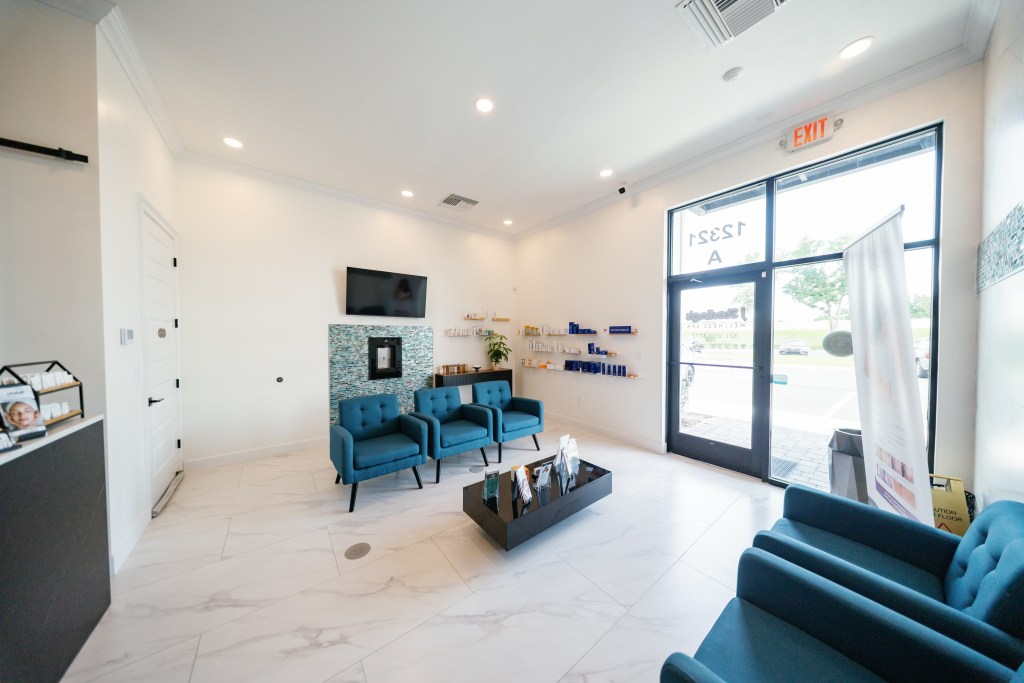
J Sterling’s Wellness Spa in Winter Garden, Florida, is an example of a local spa focused on relaxation and wellness services. The spa offers massage therapy, facials and wellness packages that reflect a holistic approach to health. By prioritising self‑care and exploring available treatments, clients can support their overall well‑being and realise the benefits of professional spa services.
Frequently Asked Questions
What should I wear to a spa appointment?
Wear comfortable clothing that allows easy movement. Most spas supply robes and slippers for use during treatments. For massages or body treatments, you may be asked to undress to a level that feels comfortable; therapists are trained to protect privacy and ensure comfort. Avoid tight or restrictive garments that could impede relaxation.
Are spa treatments safe for everyone?
Most spa treatments are appropriate for the general population, but some individuals should take precautions. Pregnant clients, people with certain medical conditions or those on specific medications should consult a healthcare provider before treatment. Always inform spa professionals of health concerns so staff can suggest suitable services or adjustments.
How often should I visit a spa for optimal benefits?
Visit frequency depends on personal wellness goals. For general relaxation and stress management, monthly visits often provide benefit. Addressing chronic pain or persistent skin concerns may require more frequent sessions. Spa professionals can recommend a schedule personalised to your objectives and lifestyle.
What types of products are used during spa treatments?
Spas commonly use essential oils, lotions, scrubs and masks selected for their therapeutic properties and the treatment goals. Many establishments prefer natural or organic formulations to enhance the experience and reduce irritation risk. Notify your therapist in advance if you have allergies or sensitivities.
Can I bring my own products to the spa?
Most spas provide products for treatments, but some clients choose to bring personal skincare or haircare items for specific preferences or allergy concerns. Contact the spa in advance to confirm whether personal products are permitted. Some providers can incorporate client products into customised treatments.
What should I do if I have a bad experience at a spa?
If you experience a problem, address it calmly and professionally with spa staff or the manager. Explain your concerns and allow the team to propose a resolution. Providing constructive feedback helps the spa improve services and supports a better outcome for future clients.
Conclusion
Integrating spa treatments into a self‑care routine can improve relaxation, restore energy and support holistic health. With services ranging from massage therapy to facials, clients can tailor visits to specific wellness priorities. Regular, professionally delivered treatments can reduce stress and contribute to long‑term physical and mental benefits. Consider scheduling an appointment to experience these advantages firsthand.