
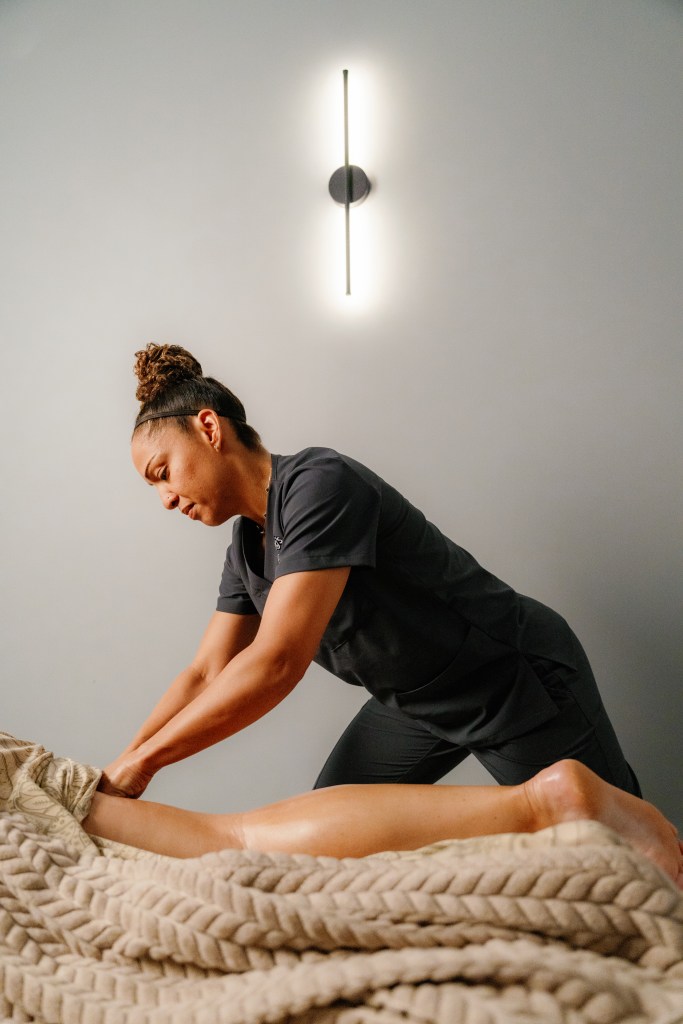
Experiencing pain during or after a massage at a spa in winter garden can be worrying. This guide explains common causes of massage in winter garden-related discomfort, how to tell normal soreness from signs of injury, and practical steps to manage post-treatment symptoms. It also covers choosing appropriate pressure and when to consult a professional. By the end, you will have clear, actionable information to help improve your massage experience and protect your well-being.
What Causes Pain During Massage Therapy?
Pain during a massage may result from the technique used, the amount of pressure applied, or individual sensitivity. Common contributors include existing muscle tension, soreness after deep-tissue work, and pressure that exceeds the client’s tolerance. Identifying these causes helps clients and therapists communicate and adjust the session to improve comfort and outcomes.
How Do Different Massage Techniques Affect Pain Levels?
Massage styles affect pain differently. Deep tissue targets deeper muscle layers and can cause soreness in tense areas. Swedish massage uses lighter strokes and is less likely to produce pain. Trigger point work applies focused pressure to knots; it may be uncomfortable short-term but can relieve chronic tension. Knowing these differences helps clients select a technique aligned with their needs and tolerance.
What Role Does Pressure Intensity Play in Massage Discomfort?
Pressure intensity strongly influences discomfort. Excessive force can cause pain, especially over sensitive spots. Clients should report their comfort level throughout the session so the therapist can modify pressure. Tailored pressure improves treatment effectiveness while reducing the risk of unnecessary soreness.
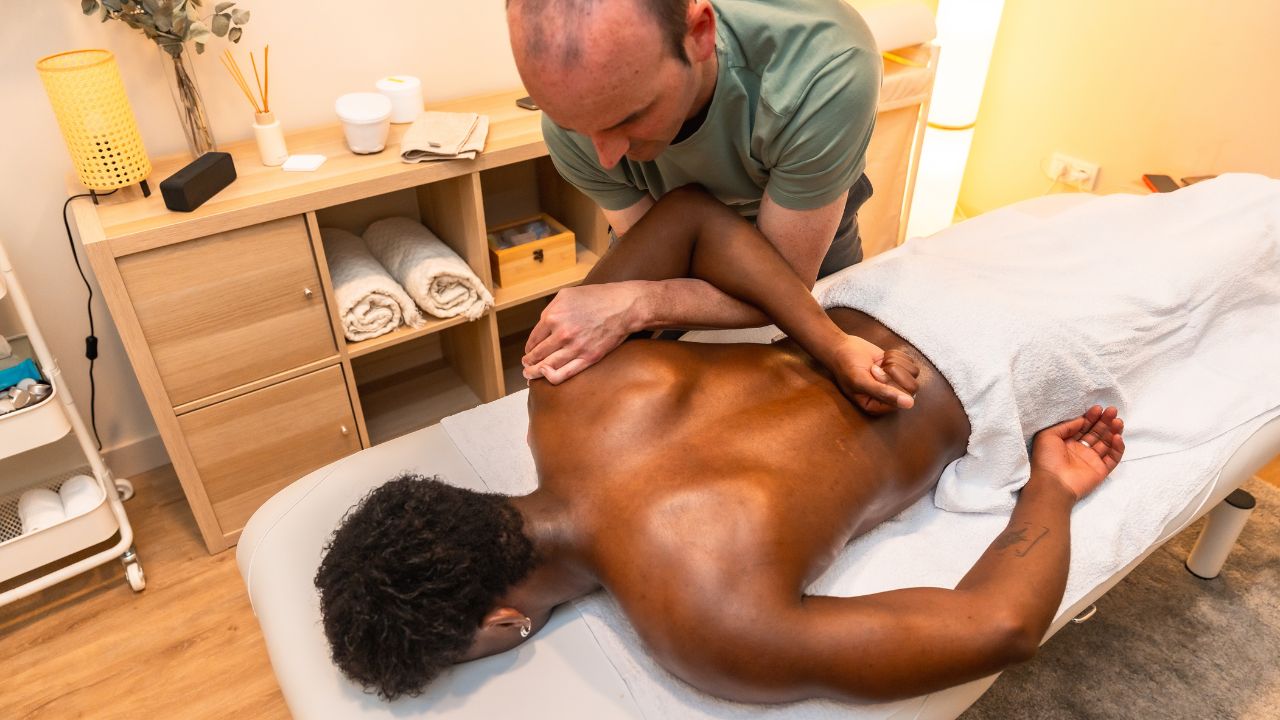
How to Differentiate Normal Massage Soreness from Injury Symptoms?
Distinguishing normal post-massage soreness from injury is important for safety. Normal soreness is usually mild and resolves within 24–48 hours. Injury-related symptoms include severe or worsening pain, bruising, or persistent discomfort that does not improve. Recognising these differences supports prompt, appropriate action when needed.
What Are Common Signs of Therapeutic Muscle Soreness?
Therapeutic soreness commonly presents as mild, short-lived discomfort, temporary stiffness after an intense session, and localized tenderness in the treated muscles. These signs often indicate that the tissue is responding to treatment. Moderate, resolving soreness is generally a normal part of recovery from deeper techniques.
Research further examines the nature of muscle soreness and how massage can affect it.
Massage for Delayed-Onset Muscle Soreness (DOMS)
Delayed-onset muscle soreness (DOMS) describes pain that follows mechanical stimulation of muscle, such as contraction and stretching. Chinese massage has been used to treat sports fatigue and sports injury, though its efficacy remains debated.
Effect of Massage Before or After Exercise on Delayed-onset Muscle Soreness in a Rat Model, 2020
Which Symptoms Indicate Possible Massage-Related Injury?
Certain signs suggest a massage-related injury and require attention. These include visible bruising, increasing pain that persists beyond a few days, and unusual sensations such as numbness or tingling. If you notice these symptoms, seek evaluation from a healthcare professional to prevent complications and ensure correct treatment.
Despite these potential concerns, serious adverse events from massage therapy are generally uncommon.
Massage Therapy Adverse Events & Safety Review
Adverse events are rare, and massage is generally considered a safe intervention. This systematic review evaluated published data from 2003 to 2013 on adverse effects of massage therapy.
Adverse Events of Massage Therapy in Pain‐
Related Conditions: A Systematic Review, G Litscher, 2003
What Are Effective Ways to Manage Post-Massage Discomfort?
Effective post-massage care supports recovery and comfort. Simple self-care measures—adequate hydration, gentle stretching, and warm baths—reduce soreness and speed recovery. These practices enable clients to maintain the benefits of treatment and return to normal activity sooner.
Evidence shows massage can reduce the severity of muscle soreness in many cases.
Massage Effects on Muscle Soreness & Functional Loss
Post-exercise massage has been shown to reduce the severity of muscle soreness, although it does not appear to affect muscle functional loss.
The mechanisms of massage and effects on performance, muscle recovery and injury prevention, PA Hume, 2005
Which Self-Care Techniques Relieve Muscle Soreness After Massage?
To relieve muscle soreness after a massage, clients can use several practical methods:
- Hydration : Drinking plenty of water supports recovery and helps flush out metabolic waste released during the massage.
- Gentle Stretching : Engaging in light stretching can maintain flexibility and reduce stiffness in the muscles.
- Warm Compresses : Applying warm compresses to sore areas can enhance relaxation and alleviate discomfort.
These self-care steps can improve recovery and help clients feel more comfortable after treatment.
When Should You Use Heat, Ice, or Stretching for Relief?
Heat, ice, and stretching each address different symptoms and can be used selectively:
- Cold Therapy : Applying ice can reduce inflammation and numb sharp pain, making it ideal for acute soreness or swelling.
- Heat Therapy : Heat helps relax tight muscles and improve blood flow, making it suitable for chronic soreness or stiffness.
- Stretching : Gentle stretching can maintain mobility and prevent muscle tightness, promoting overall flexibility.
Choosing the appropriate method for your symptoms helps tailor recovery and improves comfort.
How to Choose the Right Massage Pressure for Your Comfort and Safety?
Selecting appropriate pressure is key to a safe and effective session. Consider your personal comfort, any medical conditions, and the massage style. Communicate preferences clearly to your therapist so they can adjust technique and pressure to meet your needs while minimising discomfort.
What Factors Influence Optimal Pressure Levels During Massage?
Several factors determine optimal pressure during a massage:
- Client Preferences : Individual comfort levels vary, and clients should communicate their preferences clearly.
- Health Conditions : Certain medical conditions may require lighter pressure to avoid exacerbating symptoms.
- Type of Massage : Different massage styles, such as deep tissue or Swedish, inherently involve varying pressure levels.
Understanding these factors enables clients to make informed choices about their treatment and to work with the therapist to set safe pressure levels.
How Can Licensed Massage Therapists Customize Pressure to Your Needs?
Licensed therapists assess each client during the initial consultation and adjust pressure throughout the session. This personalised approach addresses specific concerns while minimising discomfort. Open communication between client and therapist ensures the treatment remains effective and comfortable.

When Is It Necessary to Consult a Professional About Massage Pain?
Seek professional advice for unusual or persistent post-massage pain. Monitor your symptoms and consult a healthcare provider if pain continues beyond a few days or if you notice swelling, bruising, or other concerning signs. Early assessment can prevent complications and ensure appropriate care.
What Warning Signs Require Medical or Therapeutic Attention?
Certain warning signs require prompt professional evaluation:
- Severe Pain : Intense pain that does not improve with rest may require evaluation.
- Swelling : Any swelling in the treated areas can signal underlying issues that need attention.
- Unusual Sensations : Numbness, tingling, or persistent discomfort should be assessed by a healthcare professional.
Early recognition of these signs supports timely intervention and better outcomes.
How Can J Sterling’s Wellness Spa Support Clients Experiencing Massage Discomfort?
At J Sterling’s Wellness Spa, client comfort and safety are priorities. Our licensed therapists welcome feedback about any discomfort and will adjust techniques to improve the experience. If you have post-massage concerns, our team can provide guidance and support to help you manage symptoms effectively.
Frequently Asked Questions
What should I do if I experience pain during a massage?
If you experience pain during a massage, tell your therapist immediately. They can reduce pressure or change technique to match your comfort. Pain may indicate excessive pressure or an unsuitable method, so speaking up helps ensure a safe, effective session.
How can I prepare for a massage to minimize discomfort?
Prepare by arriving hydrated and sharing any health concerns or areas of tension with your therapist. Wear comfortable clothing that allows access to treated areas. Clear communication about your preferences and history helps the therapist tailor the session and reduce discomfort.
Are there specific types of massages that are less likely to cause pain?
Yes. Swedish massage uses lighter pressure and emphasises relaxation, making it less likely to cause pain. Gentle modalities such as aromatherapy or lymphatic drainage also tend to be soothing without the intensity of deep-tissue methods. Discuss options with your therapist to select the right style.
How long does post-massage soreness typically last?
Post-massage soreness commonly lasts 24 to 72 hours, depending on massage intensity and individual sensitivity. Mild soreness is expected after deeper work and should ease over time. If soreness persists or worsens after several days, seek medical advice to rule out injury.
Can I continue exercising after a massage?
Whether to exercise after a massage depends on how you feel. Light activity such as walking or gentle stretching is often beneficial if you have mild soreness. If you experience significant discomfort or pain, rest and consult your therapist before resuming intense exercise.
What should I do if I notice bruising after a massage?
If you notice bruising after a massage, monitor the area closely. Mild bruising can result from deep pressure, but seek medical advice if bruising is painful, accompanied by swelling, or does not improve after a few days. Apply ice for swelling and discuss concerns with your therapist at your next visit.
Conclusion
Understanding why massage can cause pain helps you manage symptoms and improve future sessions. By distinguishing normal soreness from signs of injury, communicating with your therapist, and using appropriate self-care, you can protect your recovery and optimise benefits. Consult our resources or speak with a licensed therapist for tailored guidance on improving your massage experience.