
Which Massage Is Best for Back Pain Relief?
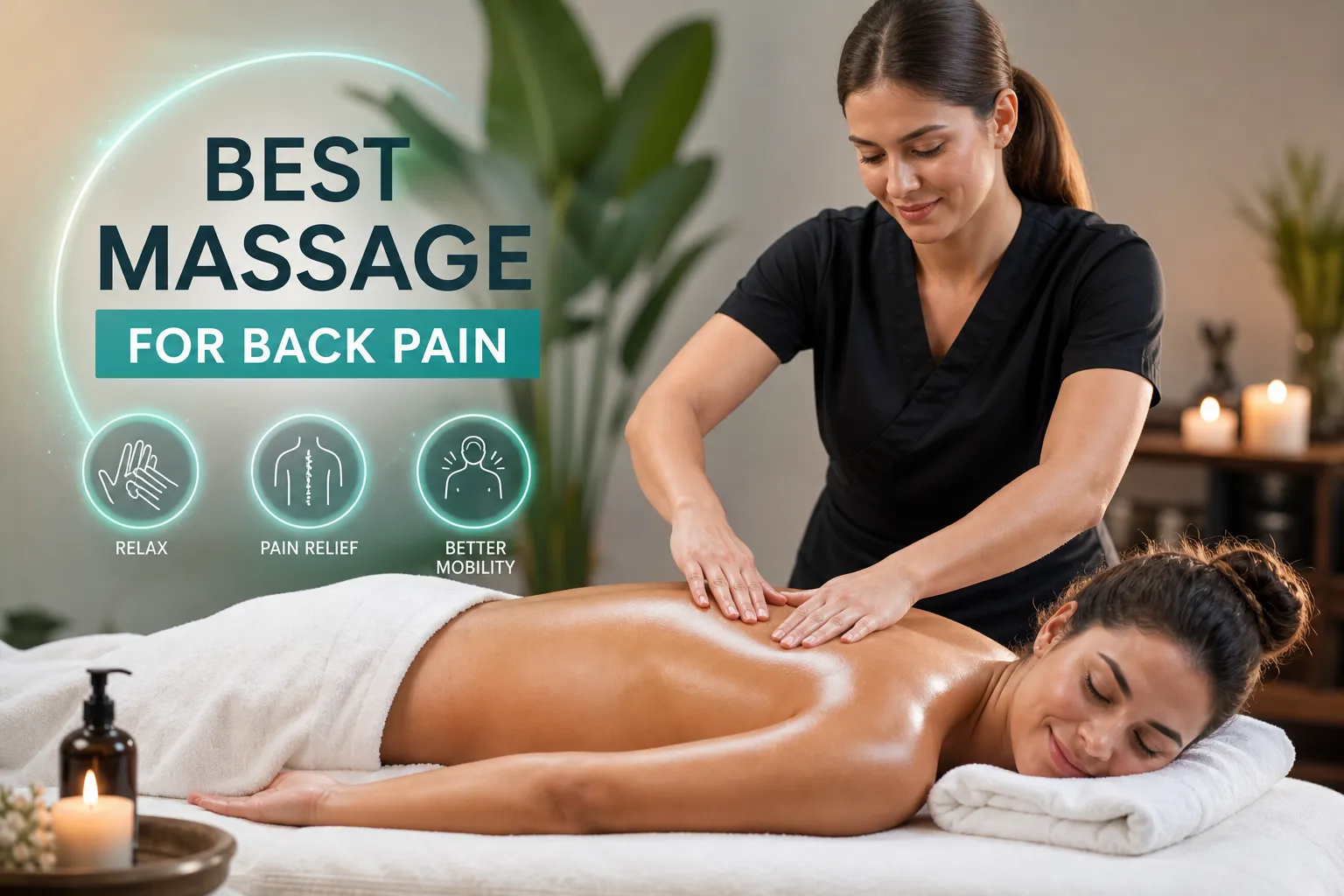
Which massage is best for back pain? The answer depends entirely on what is causing it, and choosing the wrong approach can leave you frustrated and without the relief you were looking for. Deep tissue feels intense. Swedish feels gentle. Hot stone feels relaxing. However, the effectiveness of any massage technique depends on whether it matches the type of discomfort you are experiencing.
At J Sterling’s in Winter Garden, every session begins with understanding your goals, concerns, and what your body needs before a massage approach is selected. That initial conversation is not just a routine step — it helps guide the experience and allows the therapist to personalize the session based on your comfort level and wellness goals. Because “back pain” is not one single experience, the most appropriate massage approach depends on the individual.
By the end of this article, you’ll understand which massage styles are commonly chosen for different types of back discomfort, how to prepare for a session, what information to share with your therapist, and when professional medical advice should come before massage.
Why the type of back pain you have changes everything
Grouping all back pain into one category can lead to choosing the wrong approach. The location, duration, intensity, and possible cause of discomfort all influence which massage technique may be most appropriate.
Acute strain vs. chronic stiffness: two very different problems
Acute muscle strain, such as discomfort that appears after lifting something incorrectly or sleeping in an unusual position, can involve an active inflammatory response. Massage may not be appropriate during the earliest stage of a new injury, and anyone unsure about whether massage is suitable should consult a healthcare professional.
For ongoing, non-specific lower back discomfort, the situation is different. Persistent tension, limited mobility, and daily habits such as prolonged sitting or repetitive movement can contribute to recurring stiffness. This is where therapeutic massage techniques may become part of a broader wellness routine focused on relaxation, mobility, and overall comfort.
Sciatica, herniated discs, and muscle-tension back pain
These conditions can sometimes create similar sensations while requiring different considerations. Muscle-related tension may respond well to targeted massage techniques, while nerve-related symptoms require more careful assessment.
If discomfort travels down the leg, includes numbness, tingling, or weakness, it is important to communicate those details before a massage session. Understanding the source of symptoms helps determine whether massage is an appropriate option and which areas should be approached carefully.
Which massage is best for back pain: the four most effective types compared
Each massage modality serves a different purpose, and understanding those differences makes it easier to choose an experience that matches your current needs. The right technique depends on whether your goal is relaxation, support for muscle tension, improved mobility, or simply creating a consistent wellness routine.
Deep tissue massage for back pain: built for chronic tension
Deep tissue massage uses slower, more focused techniques that work through deeper muscle layers and connective tissue. It is often chosen by guests experiencing ongoing muscle tension, stiffness, or discomfort connected to repetitive movements, posture habits, or physical demands.
This approach is designed for areas where muscles feel consistently tight or restricted. Because it uses firmer pressure, communication with your therapist is essential throughout the session. The goal is not simply to apply more pressure, but to create a technique that supports your body’s response and comfort level.
Deep tissue massage may be a good option for guests who experience recurring tension patterns and want a more targeted session. It is important to remember that deeper pressure is not automatically better for everyone. Your therapist can adjust intensity and techniques based on your individual needs.
For guests looking for a more focused experience, exploring options such as deep tissue massage in Winter Garden can help you understand how this type of session fits into a personalized wellness routine.
Swedish massage for general soreness and stress-related back pain
Swedish massage is one of the most recognized massage styles and is often selected by guests who want relaxation, stress relief, and gentle support for everyday muscle tension.
Using flowing movements, kneading techniques, and adjustable pressure, Swedish massage focuses on helping the body relax while addressing areas of common tension. For people who are new to massage or prefer a lighter approach, it can be a comfortable starting point.
This type of massage can be especially appealing for those whose back discomfort is connected to stress, long periods of sitting, or general muscle fatigue. Because pressure can be customized, it provides flexibility for many different comfort preferences.
Trigger point therapy for sciatica and referred pain
Trigger point therapy focuses on specific areas of muscle tension that may contribute to discomfort in surrounding areas. These sensitive points can sometimes create sensations that extend beyond the original location, which is why identifying the source of tension matters.
For guests experiencing discomfort connected to muscle tightness around the hips, glutes, or lower back, targeted techniques may be incorporated into a broader massage approach. However, symptoms involving numbness, tingling, or weakness should always be discussed before treatment.
The cause of discomfort is important. Muscle-related tension and nerve-related symptoms are not the same, and a therapist needs accurate information to determine the most appropriate approach.
Guests interested in learning more about targeted techniques can explore trigger point massage techniques and how they may support a personalized massage experience.
Hot stone massage for stiff muscles and relaxation
Hot stone massage combines traditional massage techniques with the use of heated stones to create a calming and relaxing experience. The warmth can help muscles feel more relaxed during the session, allowing the therapist to work with a more comfortable approach.
This style is often selected by guests who carry everyday tension, prefer warmth during their treatment, or want a more relaxing wellness experience. Like any massage service, it should be customized according to individual comfort, health considerations, and personal goals.
Hot stone massage may not be suitable for everyone, especially guests with certain health considerations involving heat sensitivity, circulation concerns, or active injuries. Discussing your needs with your therapist before beginning helps ensure the session is appropriate for you.
Which massage is best for back pain: matching your condition to the right technique
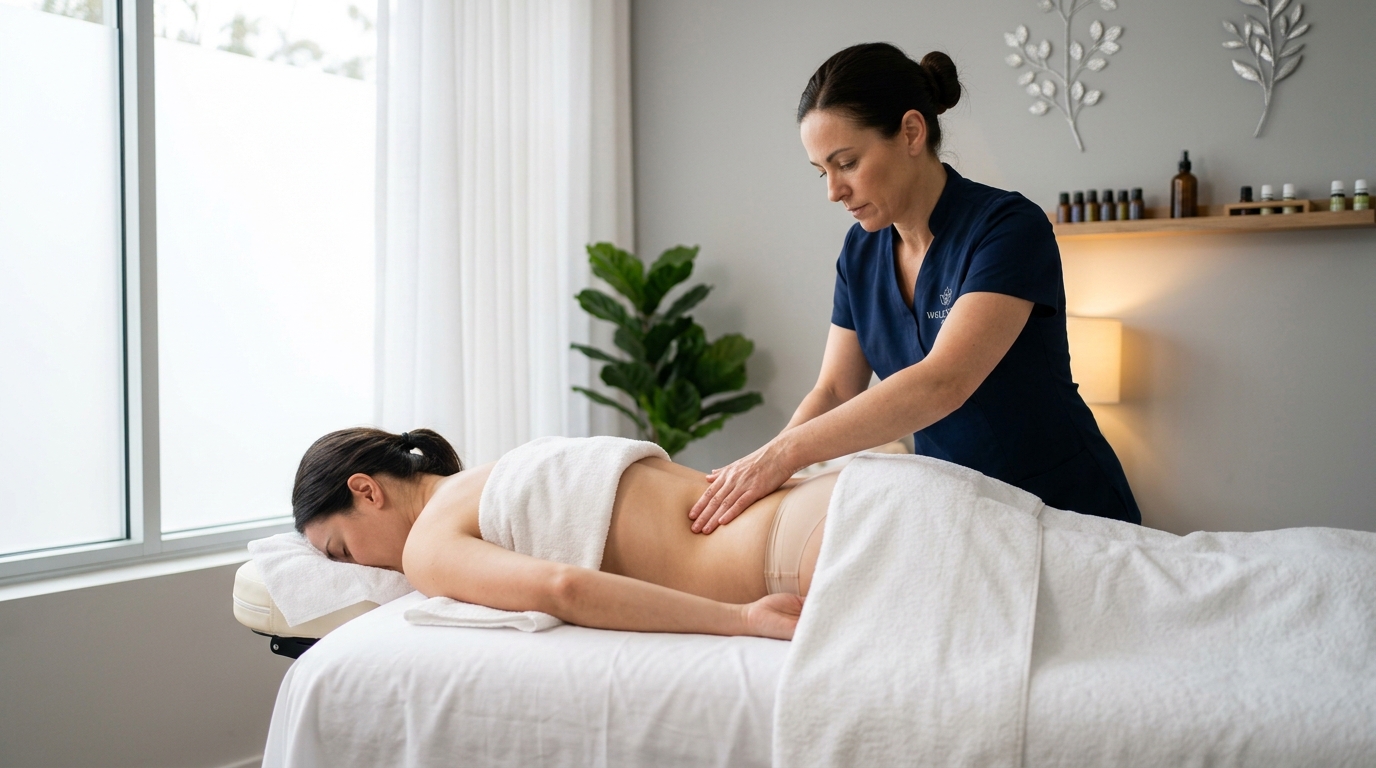
Choosing the right massage starts with understanding what your body is actually experiencing. A skilled therapist does not simply select the deepest technique available — they consider the location of discomfort, how long it has been present, your activity level, and how your muscles respond to pressure.
The following situations provide a general guide, but every session should still be personalized based on your individual needs and comfort.
If you have muscle strain or acute back soreness
When back discomfort is recent — especially after lifting, exercising, or an unusual movement — your body may still be responding through inflammation and protective muscle tension.
During the first 48 to 72 hours after a new strain, aggressive massage may not be the best choice. Allowing the initial irritation to settle before applying deeper techniques can help prevent additional discomfort.
Once the acute phase has passed, a gentler approach such as Swedish massage may be a better starting point. Your therapist can focus on relaxation, circulation, and reducing surrounding muscle tension while avoiding unnecessary pressure on sensitive areas.
If a specific area continues to feel tight after recovery, additional techniques may be introduced gradually based on how your body responds.
If you have chronic non-specific low back pain
For ongoing lower back discomfort without a diagnosed structural condition, massage therapy can be part of a broader wellness approach focused on reducing tension and improving mobility.
Deep tissue massage is often selected by guests who experience persistent tightness, limited movement, or muscle patterns connected to posture and daily habits. However, the most effective session is not always the one with the strongest pressure — it is the one that matches your body’s needs.
Consistency is also an important factor. Regular sessions may provide more noticeable benefits than occasional appointments because the body has more opportunities to release accumulated tension and maintain improved mobility.
Many guests combine massage with stretching, movement, and other wellness practices to support longer-lasting results.
If your pain involves sciatic nerve symptoms
Pain that travels into the leg, along with sensations such as tingling or numbness, requires additional attention before choosing a massage technique.
Sciatic symptoms can have different causes. In some cases, muscle tension around the hips and gluteal region may contribute to discomfort. In others, symptoms may involve the spine or nerve compression, which requires a different approach.
Before receiving targeted massage for these symptoms, communicate clearly with your therapist about:
- Where the discomfort begins and where it travels
- Whether you experience numbness or tingling
- How long symptoms have been present
- Any previous diagnosis or medical evaluation
This information helps your therapist determine whether massage is appropriate and which areas should be approached carefully.
If you’ve strained your back during athletic activity
Athletes and active individuals often develop back tension from repetitive movement, training, or increased physical demands.
After the initial recovery phase, sports massage techniques may help address areas of tightness and support mobility. These sessions are often adapted around the individual’s activity level, training routine, and recovery goals.
Unlike a general relaxation massage, sports-focused techniques are designed around movement patterns and the physical demands placed on the body.
For guests interested in maintaining recovery between activities, exploring options such as sports massage in Winter Garden can be a helpful step toward building a more personalized wellness routine.
Session frequency, duration, and what to tell your therapist
Choosing the right massage style is only part of creating an effective experience. How often you schedule sessions, how long they last, and the information you provide before treatment all influence the quality of your results.
How often to book and how long each session should be
The ideal schedule depends on your goals, the type of discomfort you experience, and how your body responds after each session.
Some guests benefit from more frequent appointments when beginning a wellness routine, while others prefer maintenance sessions spaced further apart once their tension levels improve.
A longer session often allows more time for assessment, relaxation, and focused work, especially when multiple areas require attention. Shorter appointments may be better suited for guests who have one specific area they want addressed.
At J Sterling’s in Winter Garden, therapeutic massage sessions are adapted according to each guest’s concerns, comfort level, and wellness goals.
What to tell your therapist before the session starts
Your conversation before the massage plays an important role in creating the right treatment plan. Details that may seem small can completely change how your therapist approaches the session.
Before beginning, share information such as:
- Location and type of discomfort: Explain whether the sensation feels like tightness, soreness, pressure, or something that travels to another area.
- How long you have experienced it: A recent strain requires a different approach than months of recurring tension.
- Previous injuries or medical considerations: Mention surgeries, diagnoses, medications, or anything that may affect your comfort.
- Pressure preferences: Let your therapist know whether you prefer lighter relaxation techniques or more focused muscle work.
Clear communication allows your therapist to adjust techniques during the session and create a safer, more effective experience.
At J Sterling’s, you’ll find content about spas, massages, and much more to help you stay healthy. Read more about “how to massage spa“
When massage won’t help and when to see a doctor first
Massage can be an excellent tool for managing many types of back discomfort, but it is not designed to replace medical evaluation when symptoms suggest a more complex issue.
Understanding when massage is appropriate — and when it is better to seek professional medical guidance first — helps you make a safer decision about your recovery.
Conditions where massage can make back pain worse
Certain situations require additional caution before scheduling a massage session.
Deep pressure techniques may not be appropriate when there is active inflammation, a recent serious injury, or a condition affecting the spine or nerves. For example, applying intense pressure near an irritated nerve or acute injury may increase discomfort instead of reducing it.
Massage should also be approached carefully if you have conditions such as severe osteoporosis, recent spinal surgery, active infections, or other medical concerns that affect tissue health and recovery.
If you have recently received a diagnosis related to your back pain, it is important to discuss massage therapy with your healthcare provider before beginning treatment.
Red flags that mean you need a doctor, not a massage
While many cases of back pain are related to muscle tension or daily strain, certain symptoms should be evaluated by a medical professional before any massage appointment.
Seek medical guidance if you experience:
- New or worsening numbness or weakness in your legs or feet
- Loss of bladder or bowel control
- Severe pain that appears suddenly or feels different from your usual discomfort
- Fever, chills, or unexplained weight loss alongside back pain
- Pain following a significant accident or injury
- Symptoms that continue to worsen despite rest and basic care
These signs may indicate that the cause of your discomfort requires evaluation beyond massage therapy.
A qualified massage therapist can work alongside your healthcare team by helping manage muscle tension and supporting relaxation, but identifying the underlying cause of certain symptoms should always come first.
The right massage makes all the difference
The best massage for back pain is not determined by how intense the technique feels — it is determined by how well the approach matches your specific condition.
Swedish massage can be a great option for general soreness, stress-related tension, and guests who prefer a lighter approach. Deep tissue massage may be better suited for chronic muscle tightness and restricted mobility when stronger pressure is appropriate. Trigger point techniques can help address specific areas of muscular tension, while hot stone massage adds warmth for guests seeking relaxation and relief from stiffness.
The most important factor is personalization. Choosing a massage simply because it sounds stronger or more relaxing does not guarantee better results. The right treatment begins with understanding what your body actually needs.
At J Sterling’s in Winter Garden, each session is designed around your individual concerns, comfort level, and wellness goals. Whether your back feels tight from long hours sitting, physical activity, or ongoing tension, your therapist can help determine the most appropriate approach for your experience.
A thoughtful assessment before treatment is what separates a generic massage from a session created specifically for you.
For guests looking to better understand different massage approaches, learning more about choosing the right type of massage can help you make a more informed decision before booking.

FAQ: which massage is best for back pain?
Which massage is best for lower back pain specifically?
For lower back discomfort related to muscle tension, both deep tissue and Swedish massage may be appropriate depending on your symptoms and goals.
Deep tissue massage is often chosen by guests with significant muscle tightness or restricted movement, while Swedish massage may be a better starting point for those who are new to massage or primarily dealing with stress-related tension.
The best choice depends on your individual situation and should be discussed with your therapist before treatment begins.
How often should I get a massage for chronic back pain?
The ideal frequency varies from person to person. Some guests begin with more regular sessions when addressing ongoing tension, then transition to maintenance appointments once they feel more comfortable and balanced.
Consistency is usually more important than occasional intensive sessions because regular care allows your therapist to better understand your body and adjust techniques over time.
Which massage is best for back pain caused by sciatica?
The appropriate massage approach depends on what is causing the sciatic symptoms.
When discomfort is related to muscular tension around the hips or glutes, targeted techniques may provide support. However, symptoms caused by spinal conditions or nerve compression require additional evaluation before choosing a treatment approach.
Always communicate symptoms such as tingling, numbness, or pain traveling down the leg before beginning a session.
Is it safe to get a massage when my back pain is new?
It depends on the cause and severity of the discomfort.
For mild muscle soreness after normal activity, a gentle approach may be appropriate. However, new injuries, severe pain, or symptoms that appear suddenly should be evaluated carefully before scheduling a massage.
When you are unsure, discussing your symptoms with a healthcare professional or your massage therapist beforehand is the safest approach.