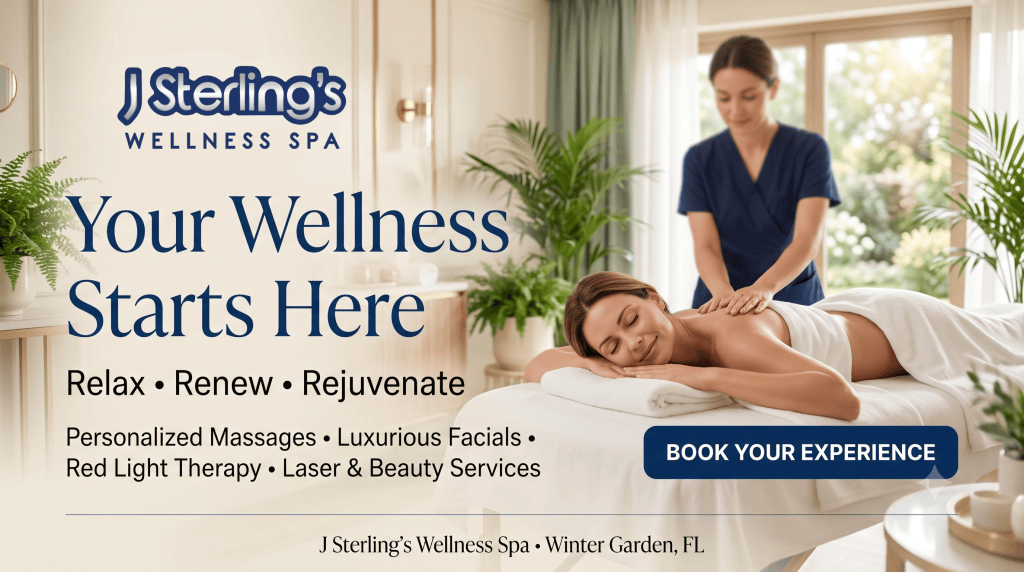
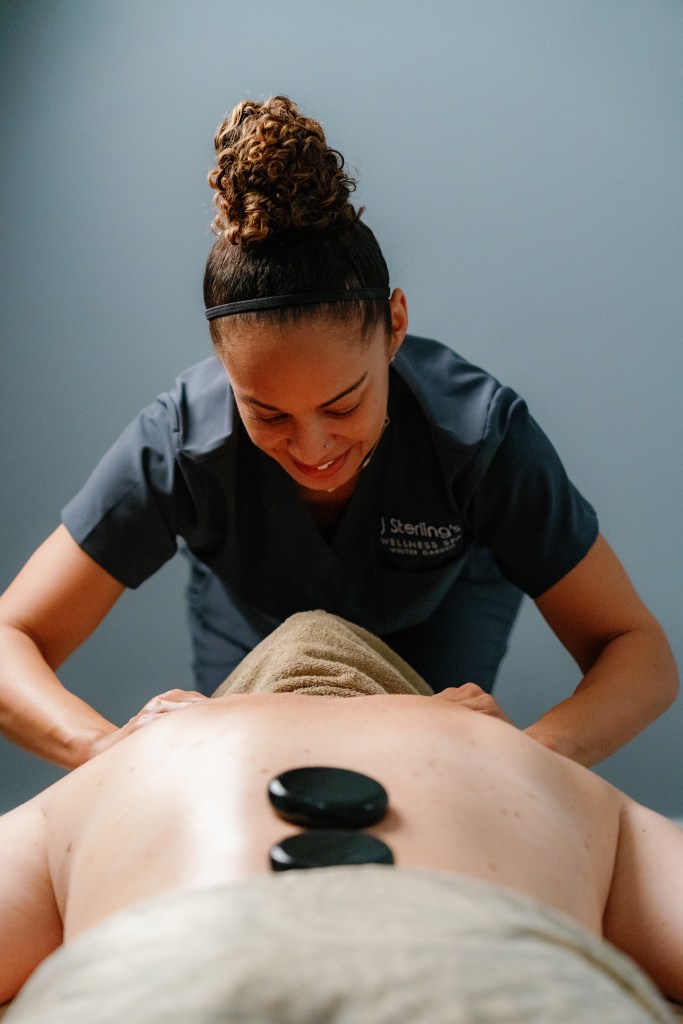
Massage in winter garden involves hands-on manipulation of soft tissues to support physical and mental well‑being. Licensed massage therapists (LMTs) are trained professionals who deliver a range of techniques designed to address specific health concerns and promote relaxation. Many clients pursue massage to relieve stress, reduce pain, and support overall health. This article outlines LMT qualifications, common massage types, the benefits of professional treatment, and practical guidance for finding and booking services near you.
Key Takeaways
- Licensed massage therapists complete 500 hours of training and pass a licensing exam.
- Massage therapy offers physical, mental, and emotional benefits, including stress reduction and pain relief.
- Swedish massage uses gentle techniques for relaxation and improved circulation.
- Deep tissue massage targets deeper muscle layers for chronic pain and tension relief.
- Therapeutic massage combines techniques to address specific health issues and provide targeted relief.
- Finding massage services involves researching local spas and using online booking platforms.
- Complementary spa services like facials and waxing enhance the overall massage experience.
- Combining massage with treatments like aromatherapy can enhance relaxation and emotional balance.
What Is Massage Therapy and Who Performs Body Massages?
Massage therapy uses targeted manipulation of muscles and soft tissues to promote relaxation and recovery. Licensed massage therapists complete formal education in multiple techniques and apply clinical knowledge to tailor treatments to each client. Beyond relaxation, massage can assist with pain management, improve circulation, and support general well‑being.
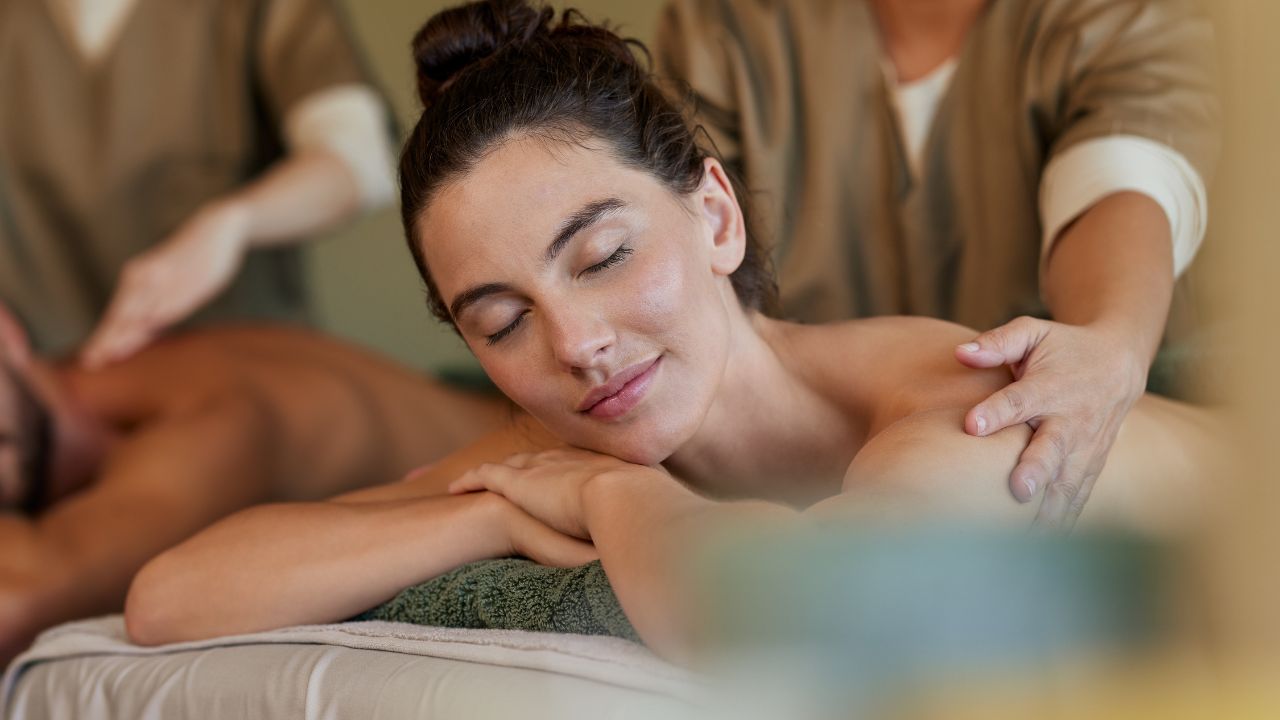
Licensed Massage Therapists: Qualifications and Roles
To become licensed, massage therapists complete a formal education program—typically a minimum of 500 hours—covering anatomy, physiology, and hands‑on modalities. They must also pass a licensing exam before practicing. In clinical practice, LMTs assess client needs, develop customized treatment plans, and deliver care that meets professional safety and efficacy standards.
How Massage Therapists Enhance Client Well-Being
Massage therapists address both physical and emotional aspects of health. They relieve muscle tension and pain to improve mobility and daily function. Therapists also promote relaxation and reduce stress, which supports mood and mental resilience. This integrated approach enhances clients’ overall quality of life.
Which Types of Massage Therapy Are Offered by Professionals?
Licensed professionals offer several massage modalities, each with distinct techniques and outcomes. Common options include:
- Swedish Massage: This gentle technique uses long strokes, kneading, and circular movements to promote relaxation and improve circulation.
- Deep Tissue Massage: Focused on deeper layers of muscle and connective tissue, this technique is ideal for chronic pain and tension relief.
- Therapeutic Massage: Tailored to address specific health issues, therapeutic massage combines various techniques to provide targeted relief.
These options let you select a modality that aligns with your goals, symptoms, and comfort level.
Swedish, Deep Tissue, and Therapeutic Massage Explained
Swedish massage uses gentle, long strokes to encourage relaxation and improve circulation. Deep tissue massage applies firmer pressure to reach deeper muscle layers and reduce chronic tension. Therapeutic massage is a customized protocol that may combine elements of both approaches to target specific complaints and deliver comprehensive relief.
How to Choose the Right Massage Type for Your Needs
Choosing the right massage depends on your goals, medical considerations, and tolerance for pressure. If relaxation is the priority, Swedish techniques are effective; for persistent pain, deep tissue work may be more appropriate. Communicate your concerns and preferences before treatment so the therapist can adapt the session. At our spa in winter garden, our licensed therapists focus on personalized care to help you select the best approach.
What Are the Benefits of Body Massage from Licensed Therapists?
Body massage from licensed therapists provides benefits across physical, mental, and emotional domains.
Physical Benefits: Pain Relief, Muscle Relaxation, and Improved Circulation
Physically, massage reduces pain, relaxes muscles, and improves circulation. Techniques that target tense areas can decrease discomfort and enhance flexibility. Improved blood flow supports tissue oxygenation and nutrient delivery, which aids recovery from minor injuries.
Mental and Emotional Benefits: Stress Reduction and Enhanced Well-Being
Mentally and emotionally, massage lowers stress and elevates mood for many clients. The relaxation response can reduce cortisol levels and promote deeper sleep. While not a replacement for medical treatment, regular massage supports emotional balance and overall mental well‑being.
How to Find and Book Professional Massage Services Near Me?
To find and book professional massage, research local spas and wellness centers that employ licensed therapists. Online directories and review platforms offer insights into service quality and practitioner experience.
Using Local Spa Directories and Online Booking Platforms
Local spa directories and online booking platforms streamline appointment scheduling. Many spas, including J Sterling’s Wellness Spa, provide online booking so you can reserve sessions quickly. Read client reviews and testimonials to assess therapist expertise and service consistency.
What to Expect During Your First Massage Appointment
At your first appointment, expect a brief consultation where the therapist reviews your medical history, areas of concern, and treatment goals. They will explain the session, confirm your comfort with pressure and draping, and deliver the massage while monitoring your feedback. Afterward, the therapist may suggest follow‑up care or complementary treatments to support recovery.
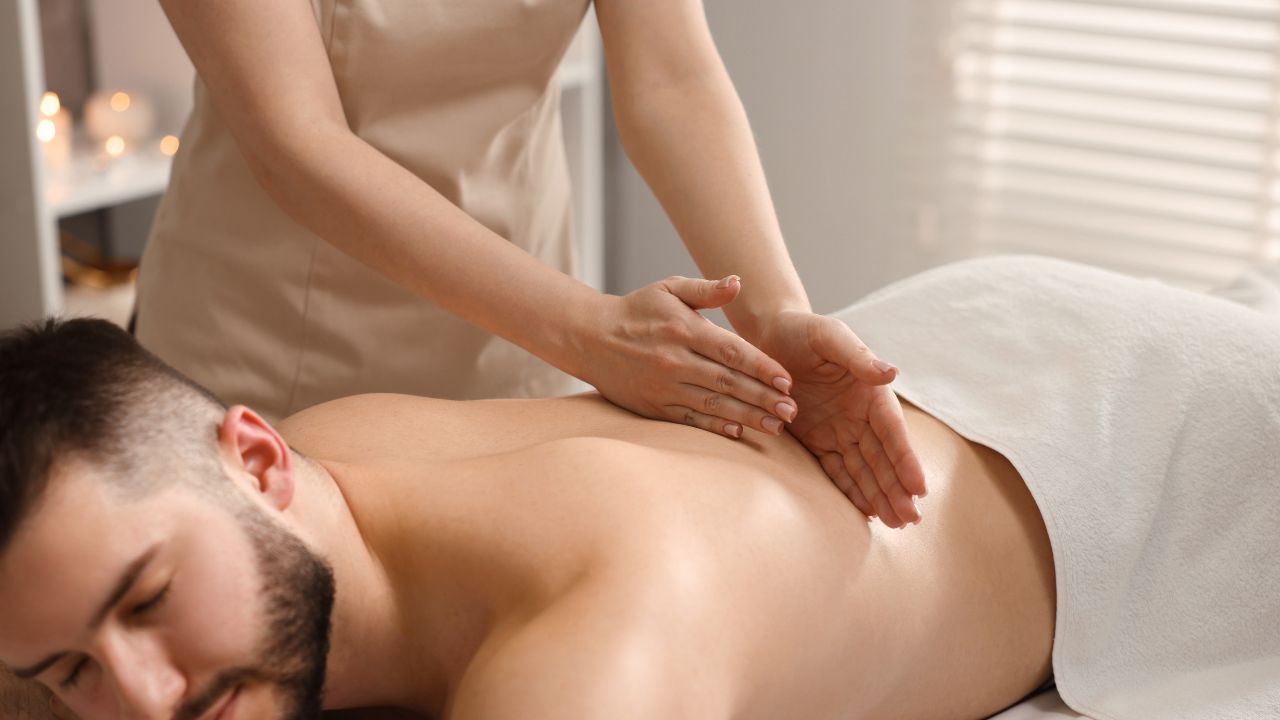
What Complementary Spa Services Enhance the Massage Experience?
Complementary spa services enhance the massage experience by addressing skin health and comfort. Common options include facials, waxing, and laser hair removal, each adding specific benefits to your treatment plan.
- Facials: These treatments cleanse and rejuvenate the skin, promoting a healthy glow.
- Waxing: Hair removal services can enhance body comfort and aesthetics.
- Laser Hair Removal: This long-term hair removal solution offers convenience and smooth skin.
Facials, Waxing, and Laser Hair Removal: Integrated Spa Wellness Options
Pairing facials, waxing, or laser hair removal with massage creates a comprehensive wellness visit. A facial can refresh skin post‑treatment, and hair‑removal services can improve body comfort. At J Sterling’s Wellness Spa, we combine services to deliver a cohesive self‑care plan.
Combining Massage with Other Treatments for Holistic Care
Integrating aromatherapy, body scrubs, or other modalities can amplify the restorative effects of massage. Essential oils used in aromatherapy support relaxation and emotional balance, complementing manual therapy. Exploring treatment combinations helps you achieve a deeper sense of well‑being.
Frequently Asked Questions
How often should I get a massage for optimal benefits?
Session frequency depends on your goals and condition. For general relaxation and stress control, monthly sessions may suffice. For chronic pain or rehabilitation, weekly or bi‑weekly sessions often provide better results. Consult your licensed therapist to establish a schedule tailored to your objectives and lifestyle.
Are there any contraindications for massage therapy?
There are contraindications to massage. If you have conditions such as severe osteoporosis, recent surgery, active infection, or open wounds, consult your healthcare provider before treatment. Always disclose health issues to your therapist so they can adapt or postpone care for safety.
What should I wear during a massage session?
Wear what makes you comfortable. Most clients wear loose clothing to and from the appointment and undress to their comfort level during the session. Therapists use professional draping to protect privacy and warmth. If you prefer to remain clothed, tell your therapist so they can adjust techniques.
Can massage therapy help with anxiety and depression?
Massage can support individuals with anxiety or depression by reducing physiological stress and promoting relaxation. The touch and calming environment often lower cortisol and improve mood. It should be used alongside, not instead of, professional mental health treatment.
How do I communicate my needs to my massage therapist?
Clear communication ensures a positive session. Beforehand, tell your therapist about tension areas, pain, medical history, and your goals. State your pressure preferences and give feedback during the massage so the therapist can adjust technique and focus.
What are the differences between spa massages and therapeutic massages?
Spa massages prioritize relaxation and a soothing environment. Therapeutic massages are more targeted and clinical, addressing issues like chronic pain or injury recovery with deeper techniques. Knowing your priorities will help you choose the appropriate approach.
Is it normal to feel sore after a massage?
Mild soreness after deeper work is common and usually resolves within one to two days. It can feel like post‑exercise muscle ache. Hydration and gentle stretching help reduce discomfort; if soreness is severe or persistent, contact your therapist.
Conclusion
Massage therapy delivers measurable benefits—pain relief, stress reduction, and improved well‑being—when administered by licensed professionals. Understanding massage types and their advantages helps you select treatments that match your goals. To experience these benefits, book a session with a qualified therapist. Explore services at J Sterling’s Wellness Spa and begin your path to greater relaxation and renewal.