
Understanding Why Your Nerve Feels Trapped
That sharp, electric jolt shooting down your arm or leg can be unsettling — and sensations like pain, tingling, burning, or numbness may occur when a nerve becomes irritated or compressed somewhere along its path.
A pinched nerve can have several different causes, and muscle tension is only one possible contributor. Pressure on a nerve may involve surrounding muscles or other tissues, but it can also be associated with issues such as a herniated disc, joint changes, swelling, or other structural factors. This distinction matters when deciding what kind of care may be appropriate. If your provider says massage is a good fit, explore our massage experiences. Massage can be useful for supporting relaxation and addressing surrounding muscular tension, but it should not be presented as a replacement for medical evaluation when nerve symptoms are persistent, worsening, or accompanied by weakness.
The symptoms commonly associated with nerve irritation can include tingling, numbness, burning, and distinctive “electric” sensations, although the exact cause cannot be determined from symptoms alone. When tight or overworked muscles are contributing to discomfort around an area, massage may help those muscles relax and support an overall sense of comfort. However, ongoing numbness, weakness, or radiating pain deserves appropriate evaluation by a healthcare professional rather than assuming muscle tension is the only cause.
Understanding the possible role of soft-tissue tension is useful because it helps answer the question can a massage help a pinched nerve more responsibly. Massage may support comfort when muscular tension is part of the picture, while other causes of nerve compression may require a different approach. The key is understanding what massage can reasonably support without treating every case as the same condition.

How Massage for a Pinched Nerve May Help
Massage therapy may support comfort around a pinched or irritated nerve by working with the surrounding muscles and soft tissue, particularly when muscular tension is contributing to the way an area feels. It does not physically correct every form of nerve compression, and the appropriate approach depends on what is causing the symptoms.
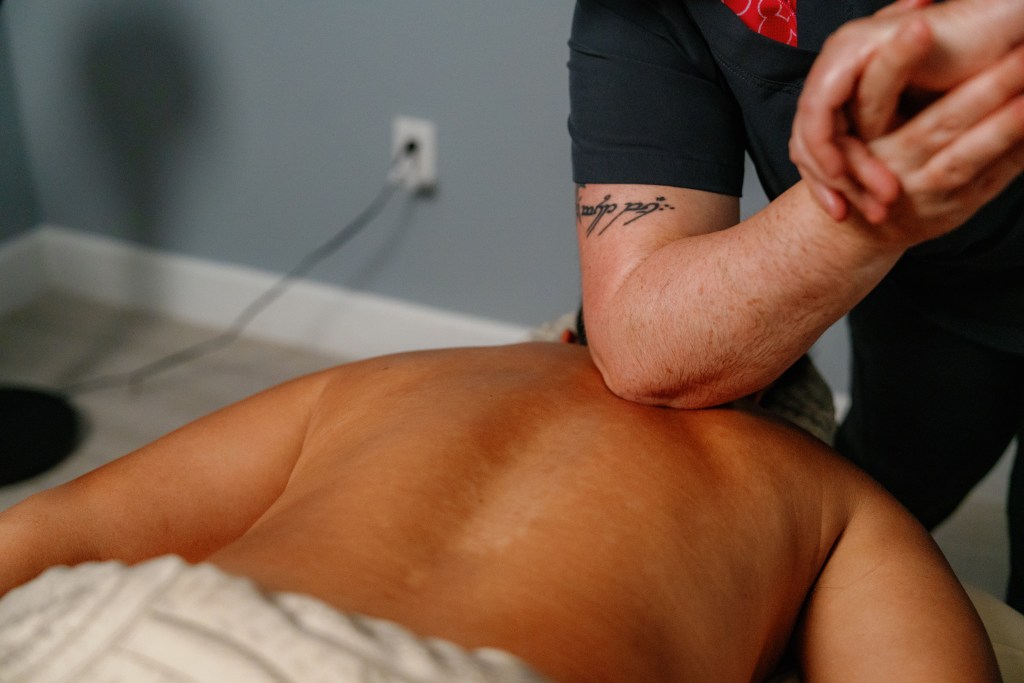
The question of whether does massaging a pinched nerve help depends largely on the individual situation. Deep tissue work and techniques focused on muscular tension may be used to address tight areas surrounding the affected region rather than applying pressure directly to the nerve itself. When tense muscles relax, some guests may experience a greater sense of comfort or easier movement, but this should not be interpreted as proof that the underlying nerve compression has been corrected.
As Medical News Today discusses, conservative approaches may include methods intended to ease surrounding muscle tension and support comfort while the underlying cause is being addressed appropriately. Massage is one wellness option some people explore, especially when muscle tightness is contributing to their overall discomfort.
Circulation and relaxation are also commonly associated with massage. Hands-on bodywork encourages movement through soft tissues and can create a feeling of warmth and relaxation around tense muscles. Rather than claiming that massage removes inflammatory chemicals or repairs irritated nerve tissue directly, it is more accurate to describe these effects as supportive elements of a broader wellness routine.
Another important factor is the body’s response to stress and discomfort. When people hurt, they often tense or guard surrounding muscles without realizing it. Skilled bodywork may help those areas relax and create a greater overall sense of ease. This is one reason some guests prefer consistent treatment as part of their wellness routine rather than waiting until muscular tension becomes especially uncomfortable.
The location of the symptoms — whether around the neck, lower back, shoulder, or another area — also affects what type of massage approach may feel appropriate. Understanding those differences becomes particularly important when symptoms involve the cervical spine and radiate into the arm or hand.
The Neck Connection: Relieving Cervical Radiculopathy
The cervical spine is one area where nerve irritation can produce noticeable symptoms, including discomfort, tingling, numbness, or sensations that travel from the neck into the shoulder, arm, or hand. Long periods spent looking at phones, laptops, or monitors may also contribute to muscular tension around the neck and shoulders, although posture alone should not automatically be assumed to be the cause of nerve compression.
“Tech neck” is commonly associated with muscular strain and stiffness, but symptoms involving nerves can have several possible causes. Tight muscles around the neck may contribute to discomfort, while cervical radiculopathy can also involve discs, joints, or other structures that require appropriate medical evaluation. Massage can focus on surrounding muscular tension, but it should not be described as physically opening nerve pathways or correcting a structural problem.
According to Harvard Health Publishing, many cases of nerve irritation are initially managed with conservative approaches, depending on the underlying cause and severity of symptoms. Massage may be one supportive option when muscular tension is present, while persistent or worsening numbness, weakness, or radiating symptoms should be discussed with a healthcare professional.
What to Watch For when choosing a therapist for neck-related discomfort:
- Experience with focused massage techniques, especially when working around sensitive neck and shoulder areas
- Willingness to discuss your symptoms and comfort level before beginning the session
- Avoidance of aggressive pressure directly on the spine or sensitive structures
- Clear communication during the session — increased numbness, tingling, unusual weakness, or sharp pain should not simply be pushed through
- A personalized approach based on your comfort and wellness goals rather than assuming the same technique is appropriate for everyone
Neck work often benefits from a careful, personalized approach. If you want to explore what professional cervical massage may feel like in a wellness setting, discussing your symptoms and preferences before the session can help your therapist determine an appropriate level of pressure and focus. If symptoms are persistent, worsening, or involve weakness, seeking medical evaluation first is an important step.

Massage Therapy vs. Chiropractor: Which is Right for You?
When weighing massage therapy vs. chiropractor for a pinched nerve, it is important to understand that these approaches serve different purposes and that the right choice depends on the source and severity of your symptoms.
Massage therapy primarily focuses on muscles and other soft tissues, with techniques designed to support relaxation, reduce areas of muscular tension, and create a greater sense of comfort. Chiropractic care is a separate healthcare discipline that may involve evaluation and treatment of musculoskeletal concerns using approaches within a chiropractor’s professional scope. Neither approach should be assumed to be appropriate for every case of suspected nerve compression.
| Approach | Primary Focus | May Be Considered For |
|---|---|---|
| Massage Therapy | Muscular tension, relaxation, and soft-tissue comfort | Wellness support when surrounding muscle tension is present |
| Chiropractic Care | Musculoskeletal evaluation and care within chiropractic scope | Concerns that may benefit from evaluation by a licensed chiropractor |
| Medical / Physical Therapy Evaluation | Identifying and managing specific neurological or musculoskeletal conditions | Persistent, worsening, or more complex nerve-related symptoms |
Resources discussing conservative management, including the Mayo Clinic, emphasize the importance of understanding what is actually contributing to symptoms before deciding on an approach. Massage should therefore be viewed as one possible supportive wellness option rather than a guaranteed first-line treatment for every pinched nerve.
For anyone uncomfortable with more forceful approaches, massage may provide a gentler way to work with surrounding muscular tension without joint manipulation. Techniques like deep-tissue work can be personalized according to comfort level and the areas of tension a guest wants addressed. When symptoms suggest something more than everyday muscular tension, however, professional medical evaluation can help clarify what type of care is most appropriate.
The Fastest Path to Fixing a Pinched Nerve
The right approach for a pinched nerve depends on understanding what is causing the irritation rather than searching for a single technique that works for everyone. Some cases improve with conservative care and time, while others require evaluation from a healthcare professional to identify the underlying cause.
A common pattern is that people wait days or weeks hoping discomfort will disappear on its own. In some situations symptoms may improve, but persistent pain, numbness, tingling, or weakness can be signs that a more specific evaluation is needed.
Massage may be part of a broader wellness approach when surrounding muscle tension contributes to discomfort. However, it is important to understand that massage does not “fix” every type of nerve compression. A personalized approach considers the location of symptoms, comfort level, and whether additional professional guidance may be appropriate.
Some supportive approaches people commonly explore include:
- Therapeutic massage — may help support relaxation and address areas of muscular tension surrounding uncomfortable areas.
- Movement and stretching — gentle mobility exercises may support flexibility and comfortable movement when appropriate.
- Heat or cold applications — some people find temperature-based approaches helpful for temporary comfort.
- Ergonomic adjustments — improving posture, workspace setup, and daily movement habits may reduce unnecessary strain.
- Professional assessment — helps identify when symptoms may require evaluation beyond wellness services.
Pairing massage with daily recovery stretches and healthy movement habits can be part of a balanced self-care routine. The next section brings together the most important points about massage and nerve-related discomfort.
What You Need to Know: Key Takeaways
Before moving into how to take action, here’s a summary of what is important to understand about massage therapy and pinched nerve discomfort.
Massage may support comfort when muscular tension is part of the picture, but it is not a universal solution for every type of nerve irritation. Understanding the possible cause of symptoms is the first step toward choosing an appropriate approach. Therapeutic massage can be explored as part of a wellness routine focused on relaxation and soft-tissue care.
- Symptoms can have different causes. Tingling, numbness, and radiating discomfort may come from different sources, which is why identifying the cause matters.
- Massage focuses on surrounding soft tissue. It may help address muscular tension and promote relaxation but should not be presented as correcting every nerve-related condition.
- Different professionals address different needs. Massage therapists, chiropractors, physical therapists, and healthcare providers each have different areas of expertise.
- Early attention matters. Seeking appropriate guidance when symptoms appear or persist can help prevent people from ignoring issues that may require additional care.
In practice, one of the biggest mistakes people make is assuming every pinched nerve feels the same or requires the same solution. A proactive approach starts with understanding your symptoms, communicating clearly, and choosing care that matches your individual situation. That begins with knowing what type of wellness support may be appropriate for your needs.

Starting Your Wellness Journey in Winter Garden
Taking care of your body starts with understanding what it needs and choosing services that match your personal wellness goals.
J Sterling’s Winter Garden offers personalized massage experiences designed around guest comfort, preferences, and relaxation goals. For individuals experiencing areas of muscular tension, techniques such as deep tissue work may be one option to explore as part of a broader wellness routine.
Every person’s experience with discomfort is different. A skilled therapist can discuss your goals, understand areas where you feel tension, and help create a session that feels appropriate for your comfort level. Massage should always be approached as a personalized wellness experience rather than a guaranteed solution for every pain condition.
If you are experiencing persistent numbness, weakness, significant radiating pain, or symptoms that are getting worse, seeking guidance from an appropriate healthcare professional is an important step before relying only on massage or other wellness services.
For those looking to prioritize regular self-care, J Sterling’s provides a variety of wellness experiences focused on relaxation, body awareness, and personal care.
Book your personalized session at J Sterling’s and explore a wellness experience designed around your individual needs.
Frequently Asked Questions
Will massage therapy help a pinched nerve?
Massage may help when tight muscles around the area are adding to the discomfort, because it can ease surrounding tension and support comfort. It cannot diagnose the cause, and it does not correct structural problems such as a herniated disc or a bone spur.
What type of massage is used when a nerve feels pinched?
A therapist may use gentle myofascial work, neuromuscular techniques or carefully paced deep tissue work around the area, not directly on the irritated nerve path. Pressure should never increase numbness, weakness or electric-type pain. If it does, tell your therapist right away.
Can massage make a pinched nerve worse?
It can if the pressure is too firm or the positioning puts strain on the area. Stop the session and speak up if tingling spreads, weakness appears or the pain turns sharp. You can read more about what to tell your therapist on our massage therapy risks page.
Should I choose massage or a chiropractor for a pinched nerve?
It depends on what is causing the symptoms. Massage works with muscles and other soft tissue, while chiropractic care is a separate healthcare discipline. Neither is right for every case, and persistent nerve symptoms deserve a medical evaluation.
When should I get medical care instead of booking a massage?
Seek prompt medical care for weakness that is getting worse, loss of coordination, changes in bladder or bowel control, numbness that spreads quickly, fever, or symptoms after an injury. These situations are beyond everyday spa care.