

Beyond the Surface: The Mechanical Reality of Tissue Manipulation
Massage works through a combination of mechanical pressure, movement, and nervous system responses that affect muscles and surrounding soft tissue.
How does massage work at its most basic level? According to the National Center for Complementary and Integrative Health, massage involves manipulating soft tissues using different forms of pressure and movement. These techniques can temporarily influence local circulation, muscle tension, and how the body perceives discomfort. One simple way to understand the mechanical effect is to think about how pressure briefly compresses tissue and how releasing that pressure allows the area to return to its normal state.
This mechanical effect can support muscle comfort and mobility. Massage does not literally flush toxins or remove trapped lactic acid from muscle tissue, but pressure and movement may help muscles feel less tense and support short term circulation in the treated area. What people commonly describe as “releasing a knot” usually involves working with areas of muscular tension and sensitivity rather than physically breaking apart a blockage or restoring oxygen to tissue that was deprived of it.
Research also suggests that consistent bodywork may provide ongoing benefits for relaxation, mobility, and perceived muscle tension when it becomes part of a regular wellness routine.
These mechanical effects are only part of the picture. Massage also interacts with the nervous system, which helps explain why the experience can affect both physical tension and the overall sense of relaxation.
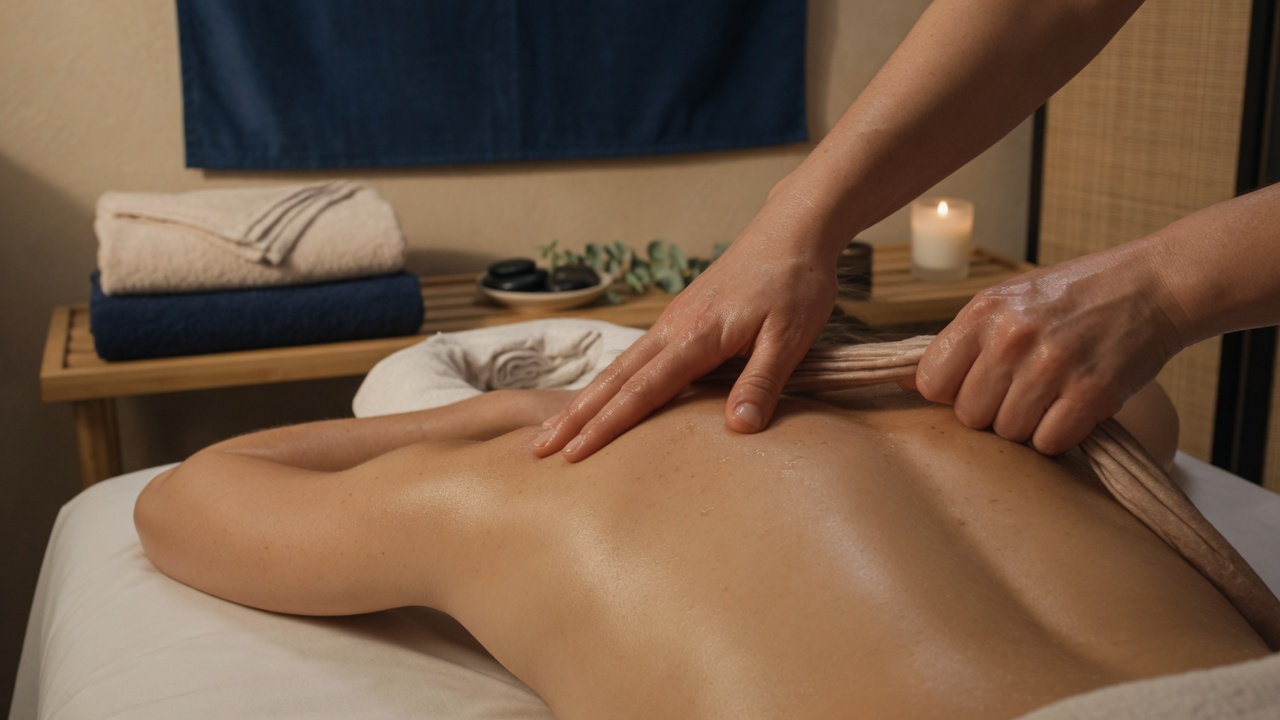
The Chemistry of Calm: How Massage Rewires Your Nervous System
Massage does more than affect muscles. It can also influence nervous system activity and help create conditions associated with relaxation.
Your nervous system continuously shifts between different levels of activation. The sympathetic nervous system is associated with the body’s fight or flight response, while the parasympathetic nervous system supports rest, digestion, and recovery. Periods of ongoing stress can keep the body in a more activated state, contributing to muscle tension and difficulty relaxing. Massage may help encourage a shift toward parasympathetic activity, which is one reason many people experience a calmer physical and mental state during and after a session.
Research has examined changes in stress related hormones and mood following massage therapy, although results vary depending on the study, massage technique, session length, and population being evaluated. Rather than assuming a specific percentage change in cortisol, serotonin, or dopamine applies to everyone, the stronger conclusion is that massage may support relaxation and help reduce perceived stress in some individuals.
Some of the responses commonly associated with massage include:
- Reduced stress response: massage may help the body transition into a calmer state
- Improved relaxation: slower breathing and reduced muscle tension are common during treatment
- Mood support: some people report improved wellbeing following massage sessions
- Comfort through therapeutic touch: professional touch may contribute to feelings of calm and reassurance
Massage therapy has also been studied as a complementary approach for concerns including stress, pain, and anxiety, although it should not be presented as a replacement for appropriate medical or mental health care.
Gentler techniques can be especially useful for people who prefer lighter pressure or treatments focused on relaxation and fluid movement. If you’re interested in this type of approach, you can explore gentle drainage techniques as one option within a broader wellness routine.
The effects of massage continue beyond immediate relaxation, with researchers also studying how mechanical pressure may influence muscle recovery at the cellular level.
Cellular Repair: Why Massage is the Ultimate Recovery Tool
Massage therapy benefits can extend beyond relaxed muscles, and researchers have examined how mechanical pressure may influence recovery processes within muscle tissue.
Inflammatory signaling: Research highlighted by Harvard’s Wyss Institute suggests that controlled mechanical stimulation may influence inflammatory signaling in muscle tissue and support aspects of the recovery process. These findings are promising, but they do not mean massage works like anti-inflammatory medication or produces the same effects as medical treatment.
Mitochondrial activity has also been studied in relation to massage and muscle recovery. Research published in Science Translational Medicine found biological changes associated with mitochondrial signaling after massage, suggesting that mechanical stimulation may influence processes involved in cellular energy production and recovery. These findings help explain why massage continues to be studied as a supportive tool for muscle recovery rather than simply a relaxation experience.
What’s striking: some studies have observed measurable cellular responses even after relatively short massage sessions. That does not mean a single treatment repairs damaged muscle or guarantees faster recovery, but it does suggest that the body’s response to massage can begin during a relatively brief period of controlled mechanical stimulation.
However, certain health conditions can affect whether massage is appropriate or how much pressure should be used. If you have circulatory concerns, an injury, persistent pain, or another medical condition, it is worth understanding which techniques may be appropriate for you and discussing concerns with a qualified healthcare professional when necessary.
These cellular responses do not occur in isolation. Massage also interacts with the body’s fluid movement systems, including the lymphatic system, which is where the next part of the discussion becomes important.

Understanding Lymphatic Drainage: Your Body’s Internal Filtration
The lymphatic system is an important part of the body’s fluid balance and immune function, and certain massage techniques are specifically designed to support the natural movement of lymph.
Unlike blood circulation, the lymphatic system does not rely on the heart as a central pump. Lymph moves through the body with help from muscle contractions, breathing, movement, and pressure changes within tissues. When activity levels are low or the body is recovering from certain procedures or conditions, lymphatic flow may become less efficient in some areas.
This is where lymphatic drainage massage comes in. Light, rhythmic strokes are applied in specific directions to encourage the movement of lymph toward lymph nodes and larger lymphatic vessels. According to the University of Minnesota Earl E. Bakken Center for Spirituality & Healing, massage can support the movement of lymph fluid through the body. The pressure used in specialized lymphatic techniques is typically much lighter than the pressure used during deep tissue massage.
The potential effects can include:
- Reduced swelling: gentle lymphatic techniques may help move excess fluid in appropriate situations
- Support for fluid circulation: massage can encourage movement within the superficial lymphatic system
- Post-treatment comfort: some people use lymphatic massage as part of a broader recovery plan when recommended by a qualified professional
How It Works: Lymphatic vs. Deep Tissue: Lymphatic drainage uses very gentle, rhythmic strokes directed along lymphatic pathways. Deep tissue massage uses firmer, sustained pressure to work with deeper layers of muscle and connective tissue. Both use touch and movement, but they serve different purposes and should not be treated as interchangeable.
It is also important to note that lymphatic drainage is not appropriate for everyone. Certain cardiovascular, circulatory, infectious, or other medical conditions may require medical guidance before treatment, especially when swelling has an unexplained cause.
For a broader explanation of the professionals who perform massage and the roles they play, you can read this article: who massage the body
The next section looks more closely at another situation where individual health status matters, specifically massage for people with high blood pressure.
Safety and Specifics: Massage for High Blood Pressure
Massage may be appropriate for many people with well-managed high blood pressure, but individual health status matters and certain situations require additional caution.
Is massage safe if you have high blood pressure? For many people with controlled hypertension, massage can be part of a general wellness routine focused on relaxation and stress management. Massage may encourage parasympathetic activity, which is associated with a calmer nervous system response, slower breathing, and reduced muscle tension. Some studies have also observed short-term reductions in blood pressure following massage, although the response varies from person to person and should not be treated as a substitute for prescribed medical care.
How it may help in practice:
- Relaxation response: massage may help reduce physical tension associated with stress
- Stress management: a calmer nervous system state may support overall wellbeing
- Parasympathetic activity: gentle massage may encourage the body’s natural rest and recovery response
However, professional technique and appropriate pressure are especially important for clients with cardiovascular concerns. Massage should not be presented as a treatment for hypertension, and people with uncontrolled or severe high blood pressure should speak with a healthcare professional before booking a session. A qualified massage therapist should also be informed about relevant medical conditions and medications before treatment begins.
When to consult your doctor first: Certain conditions may require medical clearance or may make massage inappropriate until the underlying issue is evaluated. These include uncontrolled hypertension, serious cardiovascular conditions, unexplained swelling, and suspected blood clot concerns. You can also review known contraindications before your first session.
When used appropriately, massage can support relaxation and comfort for many people, but safety depends on individual health history, current symptoms, and the type of massage being performed.
The Bottom Line: What You Need to Know
Massage can produce measurable effects on muscles, circulation, relaxation, and the nervous system, but those effects should be understood as supportive rather than as a replacement for medical treatment.
The benefits of massage extend beyond simple relaxation. Here’s what current research supports:
- Mechanical effects: Massage applies pressure and movement to soft tissue, which may temporarily improve local circulation, reduce muscle tension, and support mobility.
- Stress response: Massage may help encourage a calmer nervous system state and reduce perceived stress, although individual responses and hormone changes can vary.
- Cellular response: Research has examined how mechanical stimulation may influence recovery related processes in muscle tissue. Harvard-backed research has highlighted promising findings around inflammation and muscle recovery, but these effects should not be interpreted as guaranteed healing.
- Safety matters: Massage can be appropriate for many people, but certain conditions warrant caution and may require medical guidance before treatment.
- Consistency can help: Regular massage may support an ongoing wellness routine, particularly for people using it for relaxation, muscle comfort, and general recovery.
The strongest case for massage is not that it permanently changes the body after one session, but that regular, appropriate care may support relaxation, mobility, and overall wellbeing over time. That consistency becomes especially important when massage is treated as part of a broader wellness routine rather than as an occasional response to discomfort. Now that you know how it works, find out why massage is good for you in our guide.